
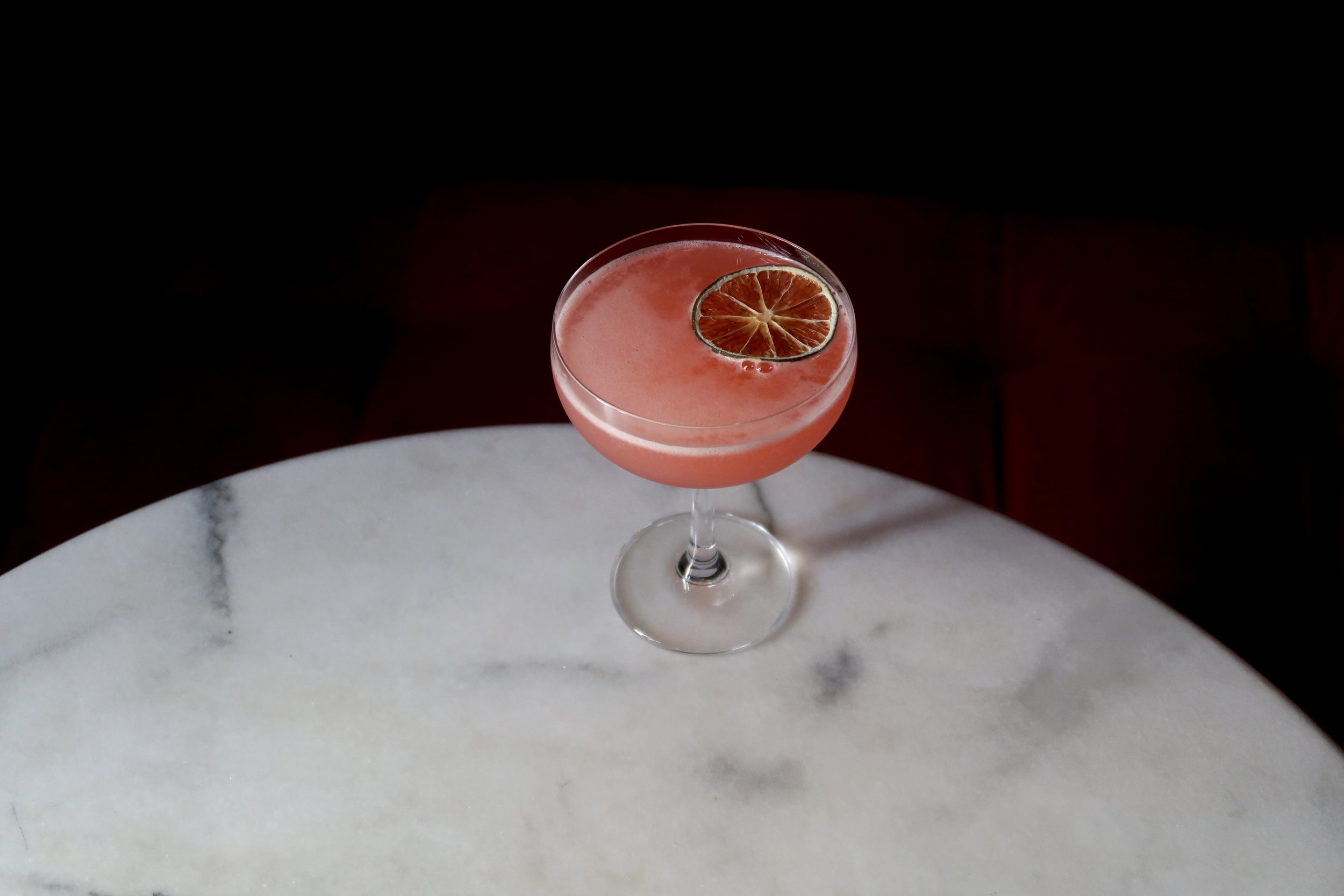
Siesta
Katie Stipe came up with this one in 2006 at Julie Reiner’s Flatiron Lounge in New York. Her original idea was to use the Hemingway Daiquiri template and plug tequila in for the rum and Campari in for maraschino. The result is utterly delicious. This was often on the brunch menu at Fort Defiance and was a perennial favorite.
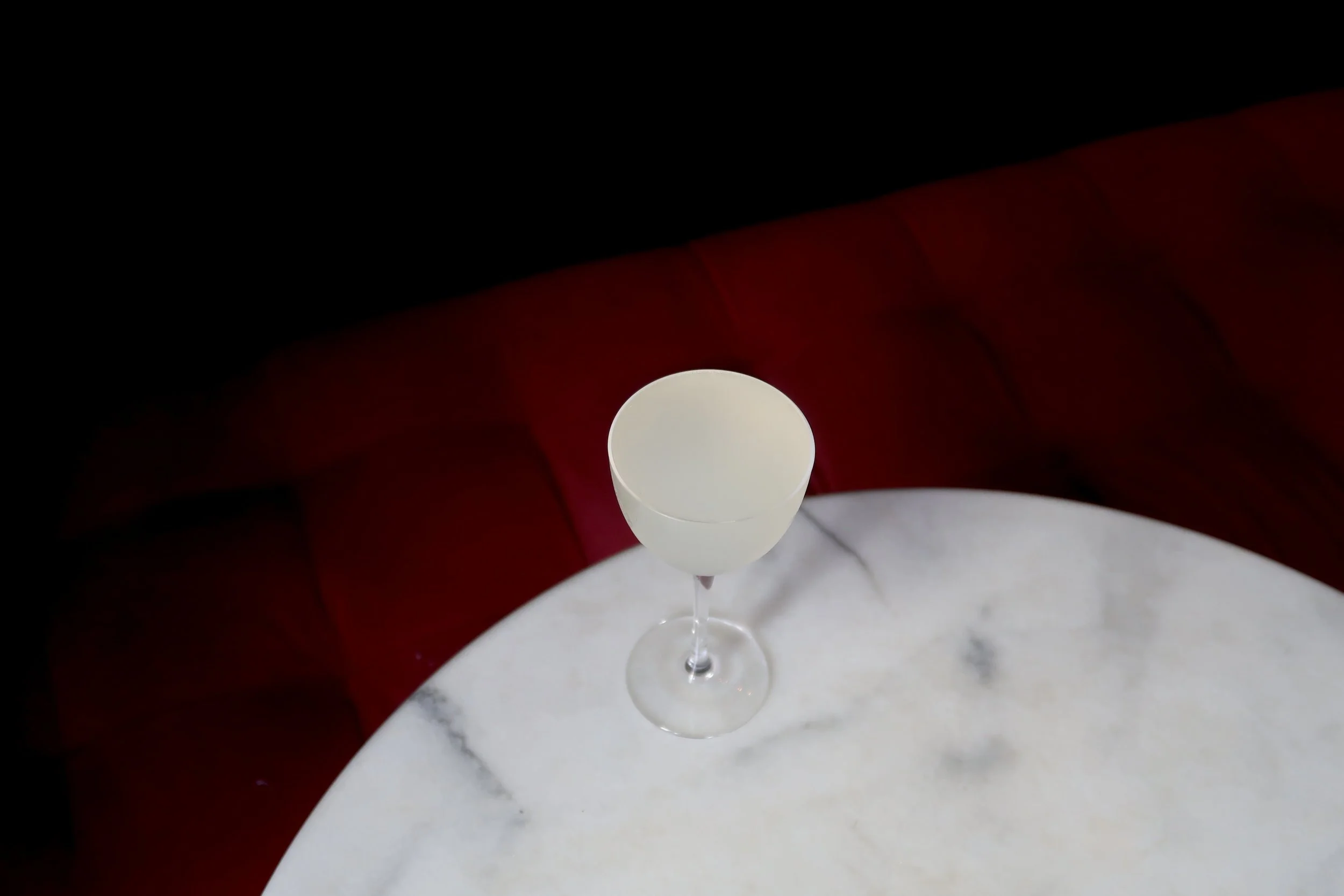
21st Century
A modern take on the 20th Century (gin, Lillet, crème de cacao, lemon), this drink cuts out the quinquina and subs tequila in for gin, serving the drink in an absinthe-rinsed glass. Jim Meehan invented this one at Pegu Club in 2007 under Audrey Saunders’ guidance. Perhaps true to the adage “what grows together goes together,” chocolate and agave spirits are happy bedfellows, as is the case here.
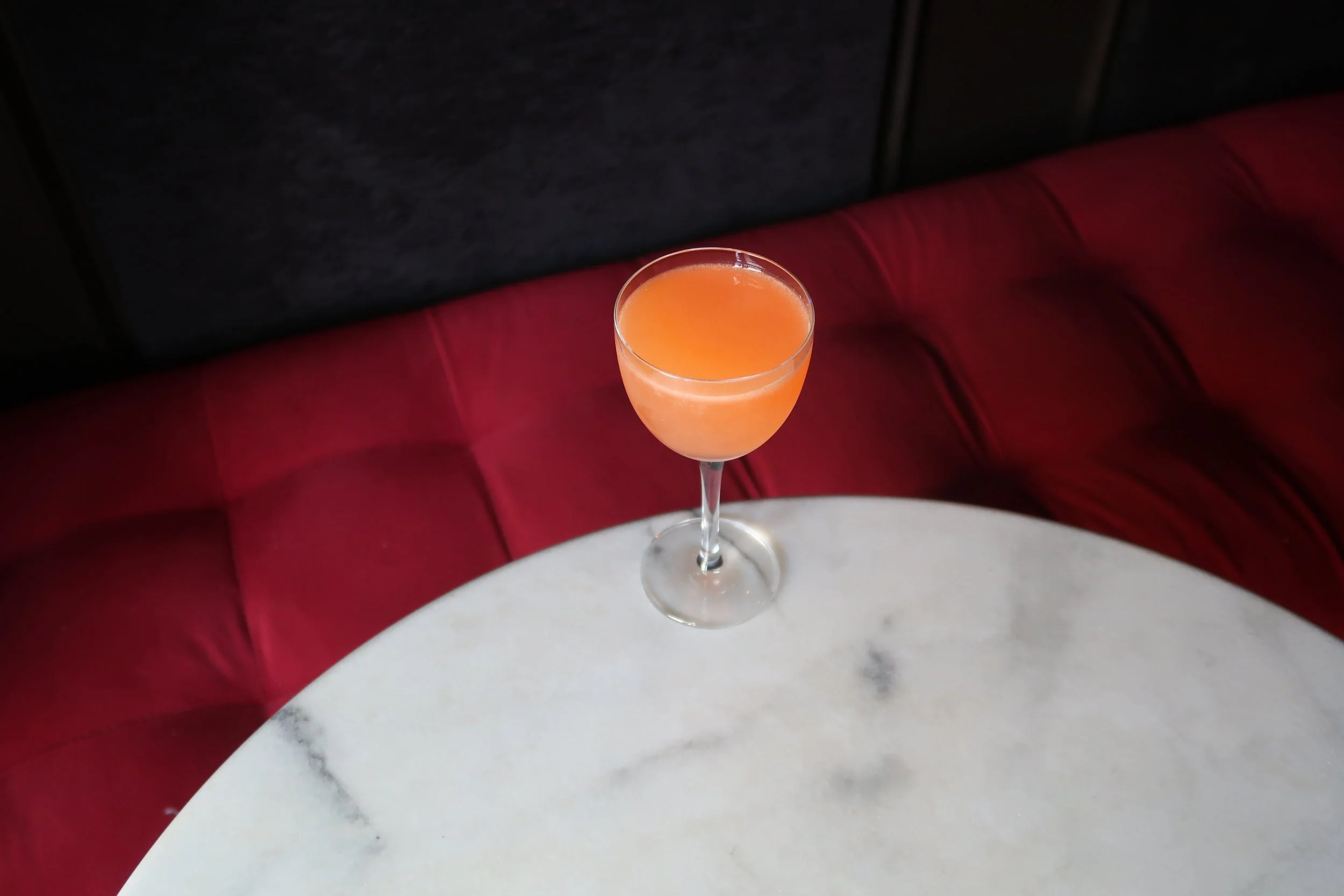
Naked & Famous
Joaquín Simó’s smoky, bittersweet smash-hit is still incredibly popular, perhaps even more so since mezcal’s star has risen so high since its inception in 2011. Another Death & Co. creation, it followed the Paper Plane (2008) as a modern classic that drew on the equal-parts structure of the Last Word and the Corpse Reviver No. 2.
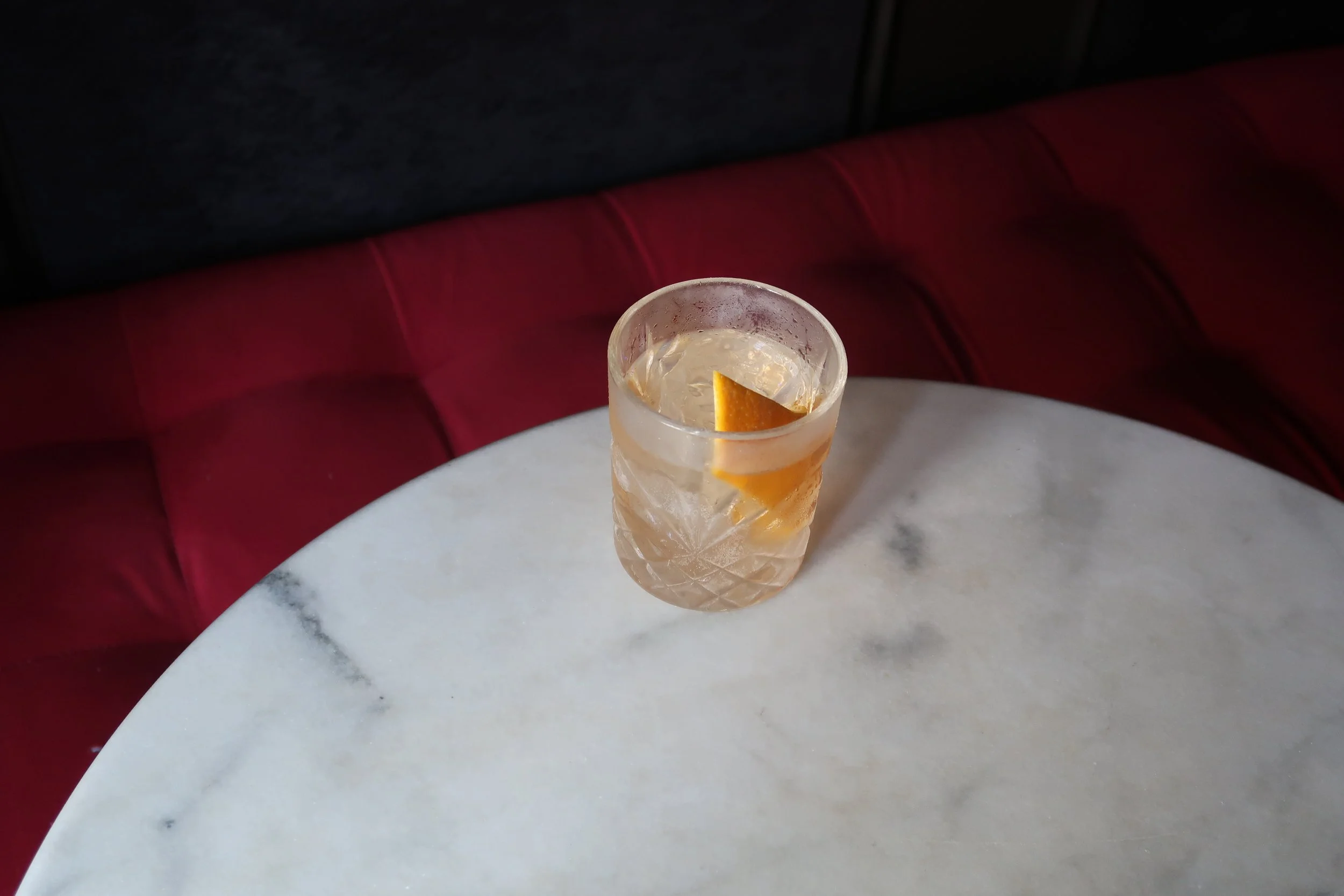
Oaxaca Old-Fashioned
Phil Ward’s new-school take on the Old-Fashioned originated at Death & Co. in 2007 and has become a worldwide superstar in the years since. The appearance of reposado tequila and inclusion of a small measure of mezcal illustrate the changing awareness around agave spirits and its austere presentation appealed to a whole new subset of drinker. The flamed orange twist is very of its time.

Torino Cobbler (2025 version)
Though vermouth became part of the American drinks landscape after the Sherry Cobbler’s heyday, it nevertheless makes a fantastic base for Cobblers. The Torino Cobbler illustrates this point while also reflecting how the Cobbler template has found a home in twenty-first century bar culture, where it sees favorite modern products work their way into recipes.

Espresso Martini
What can one say about this absolute juggernaut of a drink? Though it was invented by Dick Bradsell in 1990s London, it has had a second life in recent years. There are a great many ways to make one, and countless variations proffered by today’s bartenders, but I designed this one to be almost identical to Bradsell’s original spec, with a couple slight changes. I increased the syrup and opted to use vanilla syrup and I added just a touch of saline to enhance the drink’s flavors.

Pornstar Martini
This drink is the only one of this month’s recipes that was invented after the turn of the twenty-first century. It was invented in 2002 by bartender Douglas Ankrah. Originally called the Maverick Martini after a gentleman’s club Ankrah frequented in Cape Town, the drink combined vanilla vodka, passion fruit liqueur and passionfruit purée, and vanilla syrup, with a little glass of prosecco on the side. Since its inception, it has remained very popular in the U.K. and beyond.

21st Century Margarita
This recipe illustrates a few aspects of twenty-first-century cocktail culture that have had an effect on this month’s iconic cocktail, namely the rise of Mezcal as a base, the spicy Margarita craze, and the introduction of other fruit as supporting characters in Margarita variations. The use of a shrub also reflects popular methodologies of today’s cocktail culture.

A Twenty-First-Century Cocktail
Spirit-forward drinks were stars of the Cocktail Renaissance–and they haven’t strayed much from the formula that was set over 200 years ago. This recipe reflects the resurgence of “old-world” spirits like Cognac and genever as well as the return of rye as a base for cocktails. The bitters in this Old-Fashioned come in the form of amaro, a darling of contemporary American cocktail culture. This drink harkens back to my Al-Pino Old-Fashioned recipe, which I developed in 2018 (original) and 2021 (2.0) respectively.