

Conway Inn Cock-tail
Spirit-forward drinks were exceedingly popular in the eighteenth and early nineteenth century–from Bumbo to Slings, Toddies, Cock-tails, and Black Strap, they’re all just variations on sweetened, diluted spirits. The Cock-tail, of course, is the one with bitters in it. I love maple and walnut together and it works beautifully with the sherry base. Though this recipe features a complex “Improved Cocktail” structure (which dates to later in the 1800s), it could very well have existed during our period of interest!

Pumpkin Hollow
I always like to include a beer cocktail when we travel to this time and place because they were so incredibly common, it’s almost lying not to have one! Beers brewed with a pumpkin base (once known as pompion ales) originated in the years before the Revolutionary War and pumpkin ales line shelves every fall to this day. This autumnal beer cocktail is named for the original town center in Conway, Massachusetts, which is also the name of this month's theme. This drink is, then, sort of like a title track!

Pine Hill Punch
This is an imagined punch that might have been from the early republic with favorite products of the period, all of which would have been available for purchase in olde New English taverns. Aged rum and brandy is just about a classic eighteenth-century punch base as you’ll find and the sherry gives it this wonderful nutty, oxidized flavor. There’s a noble history of using oranges in punch and I really like what it’s doing here! And I really love orange with maple, it’s such an autumnal combination for me; this combo is also featured in my most popular BA recipe ever, the Applejack Sour. And in fact, we’re doing this with apple brandy instead of rum at Gigantic this fall, and it’s delicious both ways!

Last Word
This classic cocktail entered the cocktail renaissance canon via Ted Saucier’s 1951 book Bottoms Up, where the recipe is credited to the Detroit Athletic Club and an Irish-born vaudeville star called Frank Fogarty. It likely came into being around 1915. The drink’s equal-parts construction balances out the strong flavors of juniper-heavy London dry gin, herbaceous green Chartreuse, and rich maraschino.

Aviation
This drink is both a relic of its original period (the years just before Prohibition) as well as of the cocktail revival of the aughts. It became an emblem of a certain kind of “golden-age” cocktail and people are still intrigued by its name and esoteric ingredients. It’s a little bit too floral for my palate these days, but it’s a great drink to have up your sleeve for friends who enjoy flowery gin drinks.

Corpse Reviver No. 2
With a name like this, it’s no wonder this cocktail has survived into the modern age; originally “corpse reviver” was a catch-all term for a hangover cure, but none has been more famous than this version. The other reason it’s survived is that it appears in the Savoy Cocktail Book (1930), one of the most popular cocktail guides of the twentieth century. Its equal-parts structure, bright ingredients, and absinthe rinse make this a perennially delightful sour.

Twentieth Century
Certainly the least well-known of our drinks this month, but it’s my favorite! This one was first published in the Café Royal Cocktail Book (1937) in London. The name comes from a luxury train line that ran from New York to Chicago. My little tweak to this one is that I suggest nutmeg as a garnish (at least in fall and winter); chocolate and nutmeg are so great together, especially with the juniper and the spiced notes from the aromatized wine.

The Spritz
With roots in the nineteenth century, the Spritz was originally a combination of wine and carbonated water. By the 1920s and ‘30s, the classic Italian refresher solidified as a combination of bitter aperitivo liqueur, wine (or vermouth, see: Americano & Negroni Sbagliato), and soda. In the 1990s, prosecco became an essential ingredient in the Spritz.

Milano-Torino
The head of the Negroni family isn’t, it might surprise you, the Negroni. The now-iconic drink is actually more like the third generation of the Campari-laced clan. The Milano-Torino was the first to mix Campari and sweet vermouth (a nod to these products’ respective origins), way back in the 1860s.

Negroni
The Negroni emerged circa 1920, but doesn’t show up in bar manuals under that name until the ‘40s, when its equal parts mixture of London dry gin, sweet vermouth, and Campari. It was adopted as a favorite of cocktail revivalists in the aughts and 2010s, which has spawned countless variations.

The Americano
The Americano mightn’t be just a lengthened Mi-To as previously assumed, but rather a genre of drink that combined vermouth with various liqueurs, especially aperitivo and amaro. Fernet-Branca was a popular option, but Campari won out by the ‘30s.

Negroni Sbagliato
Sbagliato means “mistaken” or “bungled” in Italian. That’s a reference to the apocryphal tale told about why the Negroni Sbagliato features prosecco—and no gin. The resulting beverage is a delightful cross between the Americano and the Spritz.
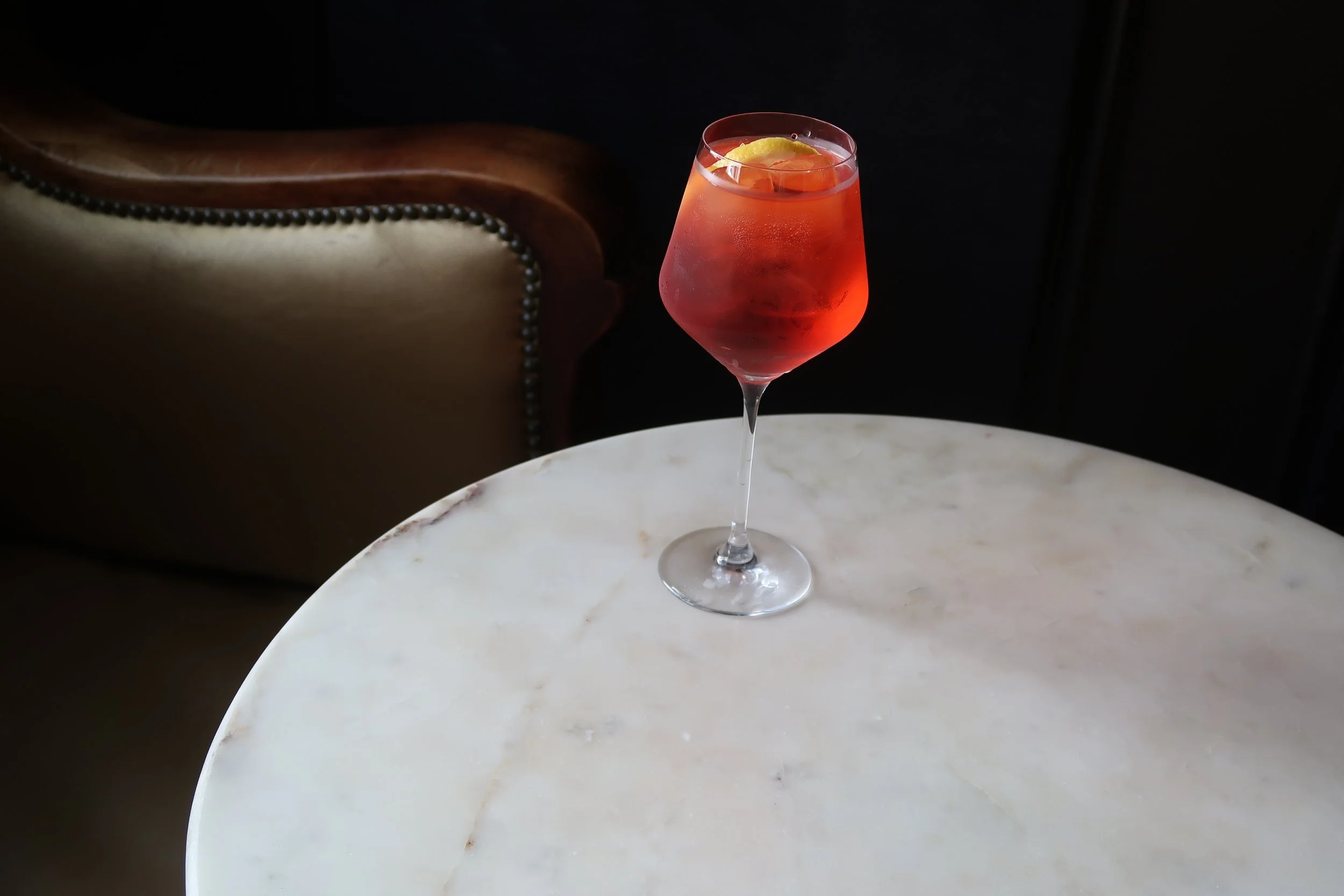
Bicicletta
There was a period of time in the life of the Spritz, where the bubbly and wine elements were still kept separate, i.e. still wine and soda were used in concert to create a similar effect. Both of the lesser-known spritzes we’re highlighting this week are built this way. The Bicicletta combines white wine, Campari, and soda, and dates from around the 1930s.

Giostra d’Alcol
The Giostra d’Alcol (“carousel of alcohol”) is from the same period, invented by futurist Enrico Prampolini. It combines red wine, Campari, and cedrata (a citron soda); its original recipe calls for a garnish of cheese and chocolate on a cocktail pick.


Daiquiri de Cacao
This cocktail takes the Daiquiri’s triumvirate of rum, lime and sugar and adds elements from several sours (including the Sophisticate, which was a major influence on this spec) in the Sloppy Joe’s bar manuals from the ‘30s: crème de cacao, vermouth, and egg white. I absolutely love the way this drink turned out, and it’s extra versatile because there are two garnish options: the perennial bitters design or cold weather-friendly dusting of cocoa powder.

Havana Moon
Longtime Club members might remember this one from the beta test month I ran back in August of 2020, wherein this drink was called The Tall Man from Havana. It has since become a Gigantic classic, where it began traveling under the name Havana Moon (named for the Chuck Berry song). The inspiration was the “Sloppy Joe’s,” the bar’s eponymous drink that combined brandy, port, pineapple, grenadine, and Curaçao. A very good example of the pre-tiki tropical genre.