

Dream of St. Louis
An egg-and-cream-laced sour that hews pretty closely to Tom Bullock’s Dream. We’ve swapped in absinthe for the crème de menthe and, with the addition of our cordial, we’ve given the whole thing a Creamsicle, nay Dreamsicle flavor profile.

Cocktail in the Style of Tom Bullock
When I was a young art history student, I ran into a lot of works marked “in the style of” or “a painting after” so and so. Bullock was one of the great figures of the pre- Prohibition era and I felt this naming trope appropriate. He typically served cocktails like this up, a refined presentation we honor here.
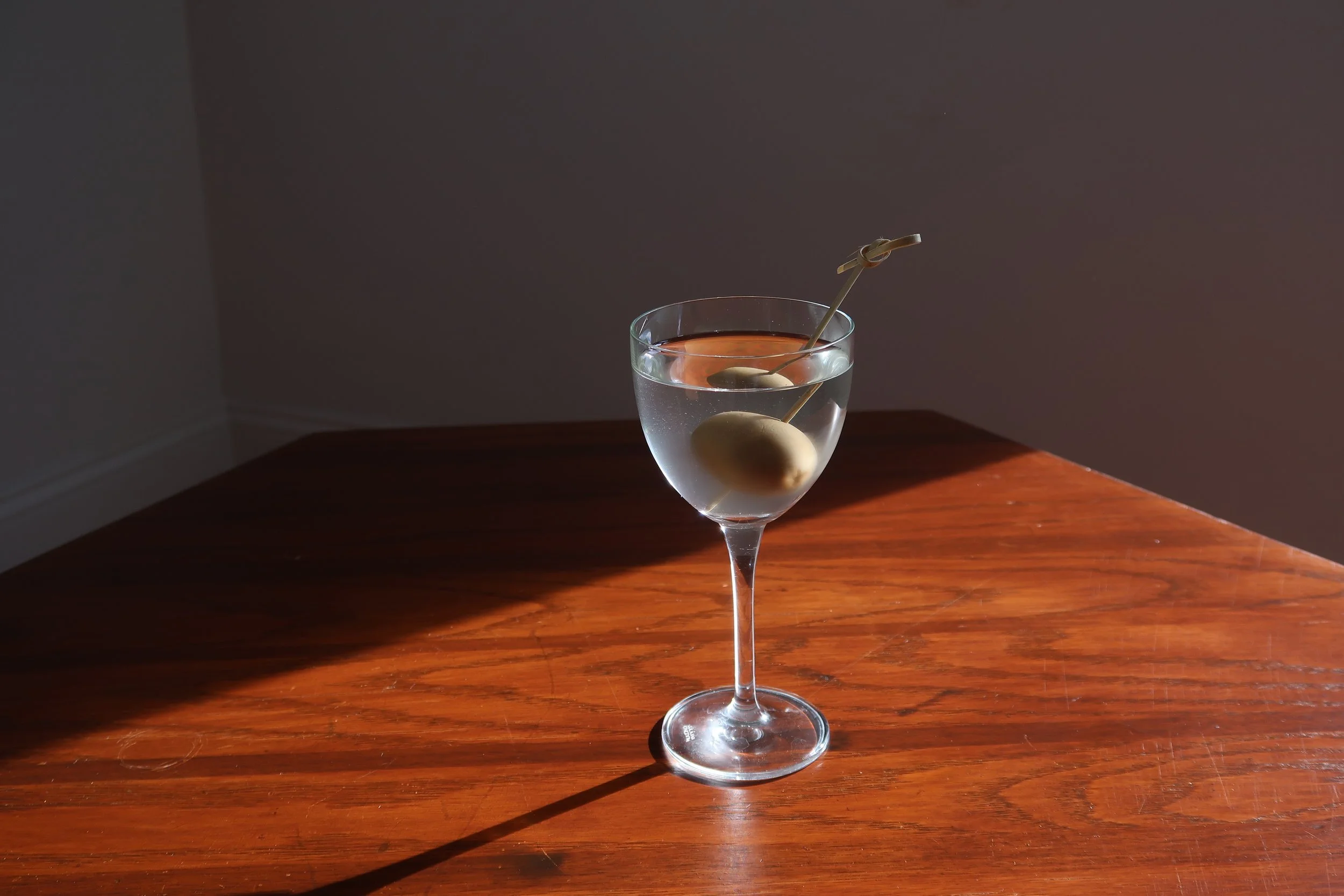
Dinner Jacket
This one takes inspiration from several members of the Martini family tree, including the Vesper, the Marguerite and the Tuxedo No. 2. That last one inspired the name—British import known as the dinner jacket was nicknamed after the Tuxedo Club in Westchester and has been known as such ever since.

The Old Prince
This Stinger riff more closely resembles the Prince and Brant cocktails, both of which call for bitters to be added to the Stinger’s simple combination of Cognac and crème de menthe. Ours switches out the French brandy in favor of bourbon and adds gentian liqueur and a little salinity, all served over crushed ice, a popular presentation during the postwar period.
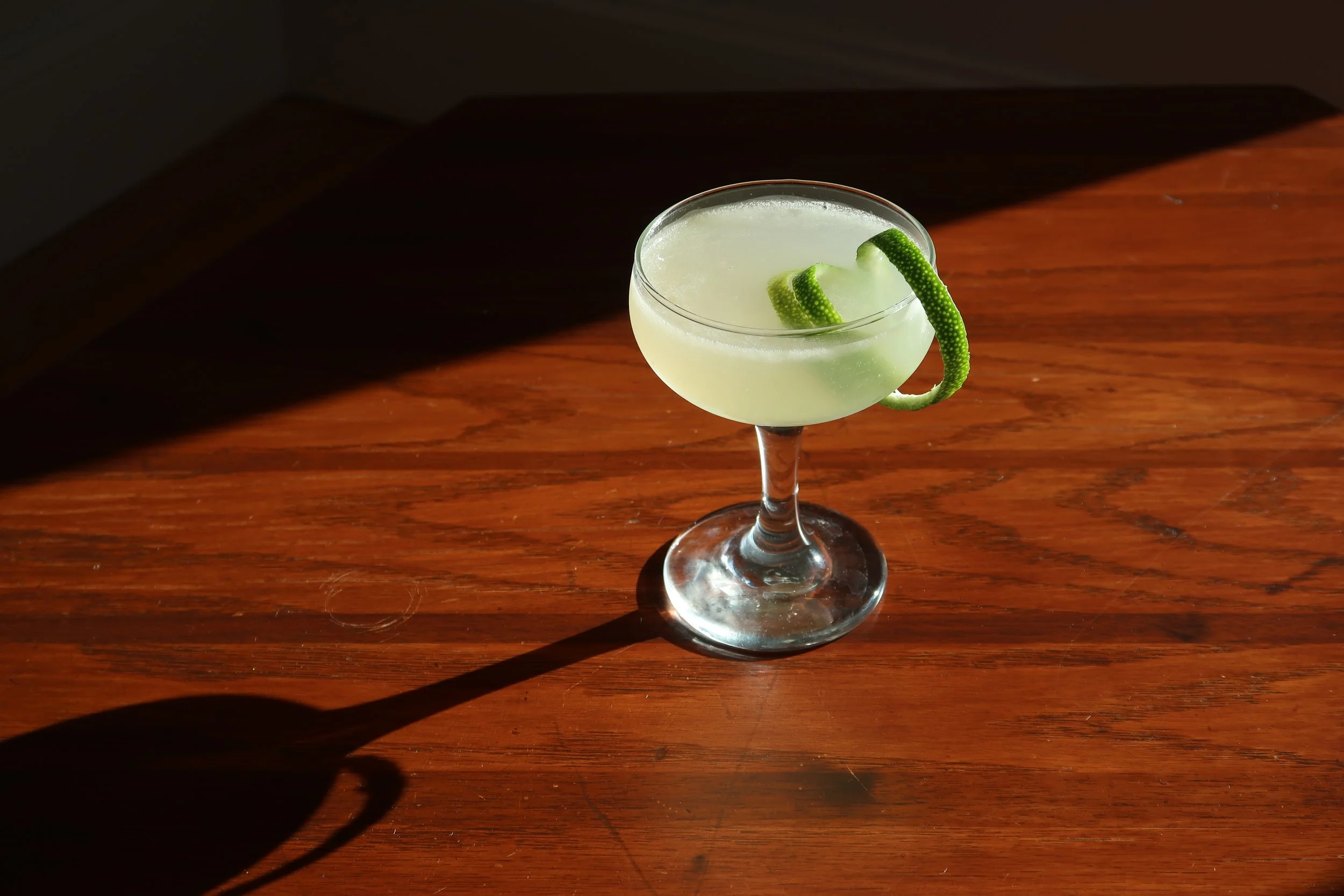
Southside Cinnamint
The Southside cocktail very likely originated on Long Island in the waning years of the nineteenth century. Simply a Gimlet (or St. Peter) with mint, our version features the unexpected-but-welcome addition of cinnamon to this classic sour.

“It’s Medicinal”
This is a take on one of the Old-Fashioned, one of the midcentury period’s favorite cocktails. I have this sense that people of the greatest generation were often ordering “their” drink, with notes to the waiter on how sweet or sour, a splash of this or that. Here, I channel that energy (and a little Midwestern style) with this campy, Coca-Cola-laced riff on the original Cocktail.

A Perfect Rob Roy
This drink was created at the Waldorf in honor of an 1894 operetta about a Scottish folk hero. A few years ago, I ordered a Rob Roy from my friend Alex Caffall at Fort Defiance; she said she always made hers “perfect,” i.e. splitting the vermouth between sweet and dry. I’ve preferred them that way ever since.

The Other Miss Taylor
Mayme Taylor was a famous comedic musical actress in the late nineteenth century. The “Mamie Taylor” cocktail was named for her and was accompanied by a likely apocryphal story about its origins during an 1899 trip she took to Lake Ontario. Regardless, the bones of the drink – Scotch, lime and ginger beer – are great, so here’s our much-more-complex version.

The Scottish Play
Theater people will know about the superstition around saying the title of a certain Shakespearian tragedy set in Scotland. Scotch gets along very well with honey, ginger and floral flavors. Add a touch of smokiness and this hot toddy riff really shines.

Hazel’s Escape
In my research on drinks with links to the theater, I found the “Up in Mabel’s Room” cocktail named for the play (and silent film, and later, talkie) of the same name. A 1919 production staged at the Eltinge 42nd Street Theatre starred Hazel Dawn in the title role. She had left her Mormon family in Utah for the bright lights of Broadway when she was young.

Le Comte
Keeping the equal parts structure of a classic Negroni, this version reduces the pour per ingredient and adds a fourth spirit. The addition of French brandy provides a counterpoint to the gin, which amplifies its pine notes, which are further bolstered by the rosemary-infused Campari.

Café Mont Blanc
Combining the traditions of espresso con panna ("with cream") and caffé corretto, this after-dinner drink offers both a digestif effect from the French brandy while also acting as a dessert.

Skiing Waiter
This unusual drink is essentially a reverse Martini that swaps dry vermouth for Riesling, and is then poured over a frozen dome (or cube) of citrus-Campari granita. I named it for a well-turned-out waiter who I envision skiing up to perform a tableside service of the drink for your Alpine après-ski.

Americano Alpino
The Americano began as a fizzy version of the elemental Milano-Torino, which mixes Campari (from Milan) with sweet vermouth (from Torino, or Turin). It got its name from the American tourists and expats who took to it with enthusiasm, especially during Prohibition.

Royal Pavilion Punch
This punch royale is named for the beachside retreat in Brighton commissioned by George, the spoiled young Prince of Wales. Based on the prince’s preferred drink, Regent’s Punch, this one balances tropical rum with green tea and lemon, all topped off with Champagne.

Ebenezer’s Punch
This punch was loosely inspired by one Charles Dickens described in a letter to a friend back in 1847. The original involves fire and has slightly different ingredients, but I like the vaguely tropical thing this version has going and like to imagine Ebenezer Scrooge drinking it to celebrate his newfound love of Christmas.

Twelfth-night Wassail
Wassail is a very old beverage originally tied to the blessing of the new year’s apple harvest. Here, we’ve reduced the drink to just a few ingredients, but capturing the spirit of the thing quite well, I think.

Bishop of Oxford
This drink translates a famous hot port-and-claret classic into a pared-down single serving that’s stirred and chilled. The Bishop appeared in Oxford Nightcaps in 1827, by which time it was already an institution; Scrooge also mentions it to Bob Cratchit in A Christmas Carol.

Abbot of Unreason
This is third in my Lords of Misrule series: the Abbot of Unreason, which the Scottish title for the Lord of Misrule. I’m very interested in a couple of aspects of this drink as broader themes in cocktail history and drink development. 1. Fizzy drinks that have a stirred, rather than shaken, base; a subgenre for which it’s far less easy to find examples in the Olde Books 2. How we can take frequently-used flavor combinations (orange and chocolate, banana-nut, apple and cinnamon, etc.) and use them as subtle underpinnings for complex cocktails.

Capitaine of Mischeefe
“Capitaine of Mischeefe” was another term for the Lord of Misrule, who presided over festivities from Christmas Day through Twelfth Night, and sometimes all the way through Candlemas (in early February). This is the second in my Lords of Misrule series: a punch that tells the story of the expansion of products due to colonization by European nations that occurred during the 17th and 18th centuries.