
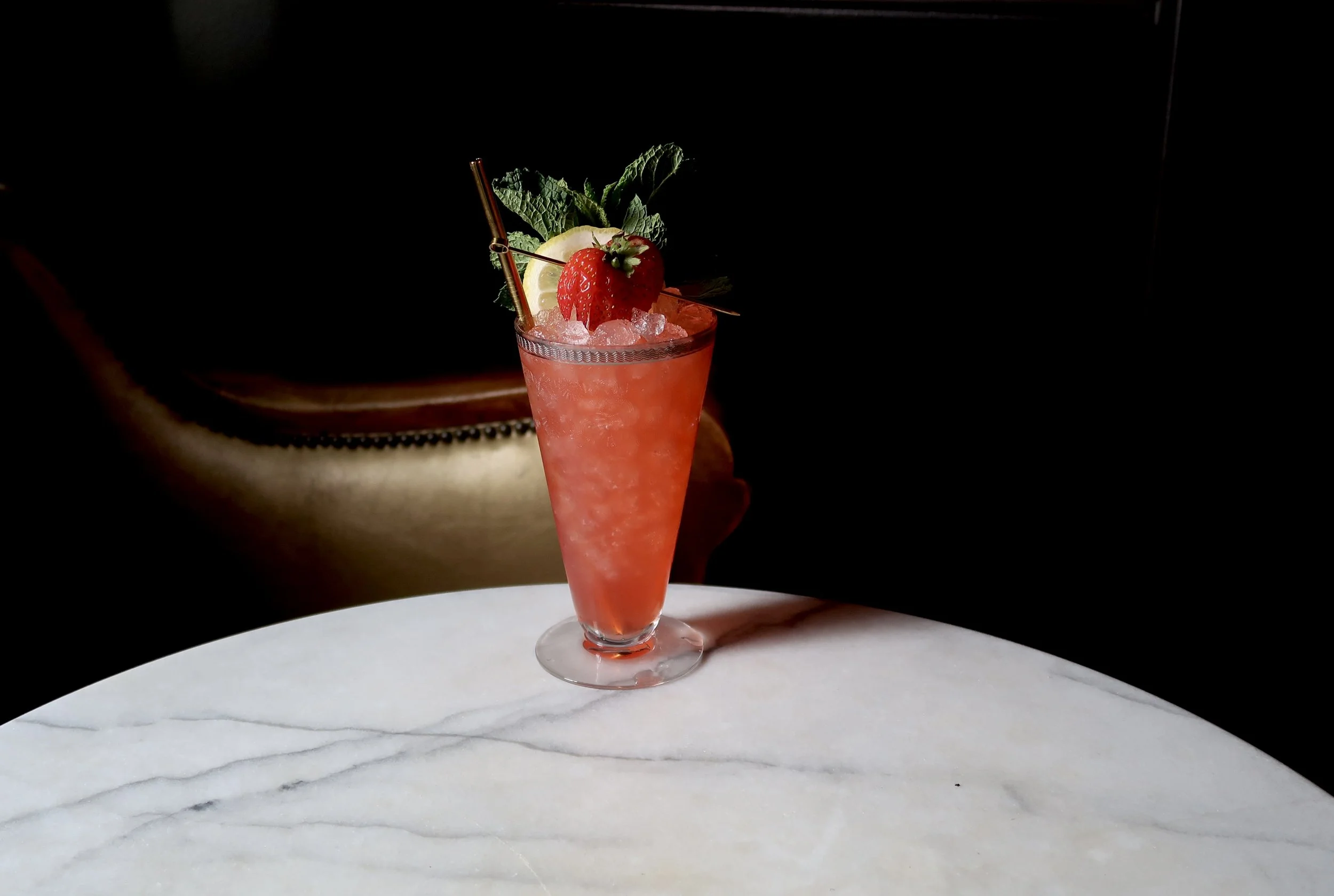
Deux Fraises
A fair few of the recipes I came across in this month’s research involved muddling strawberries, but this is the only one that properly read as a cobbler, complete with the heavy wine component in the base (originally ruby port), with Cognac in a supporting role. The 1920s Parisian book it comes from has lots of Campari in it, so I threw in a little for dimension. Reminiscent of our Torino Cobbler.
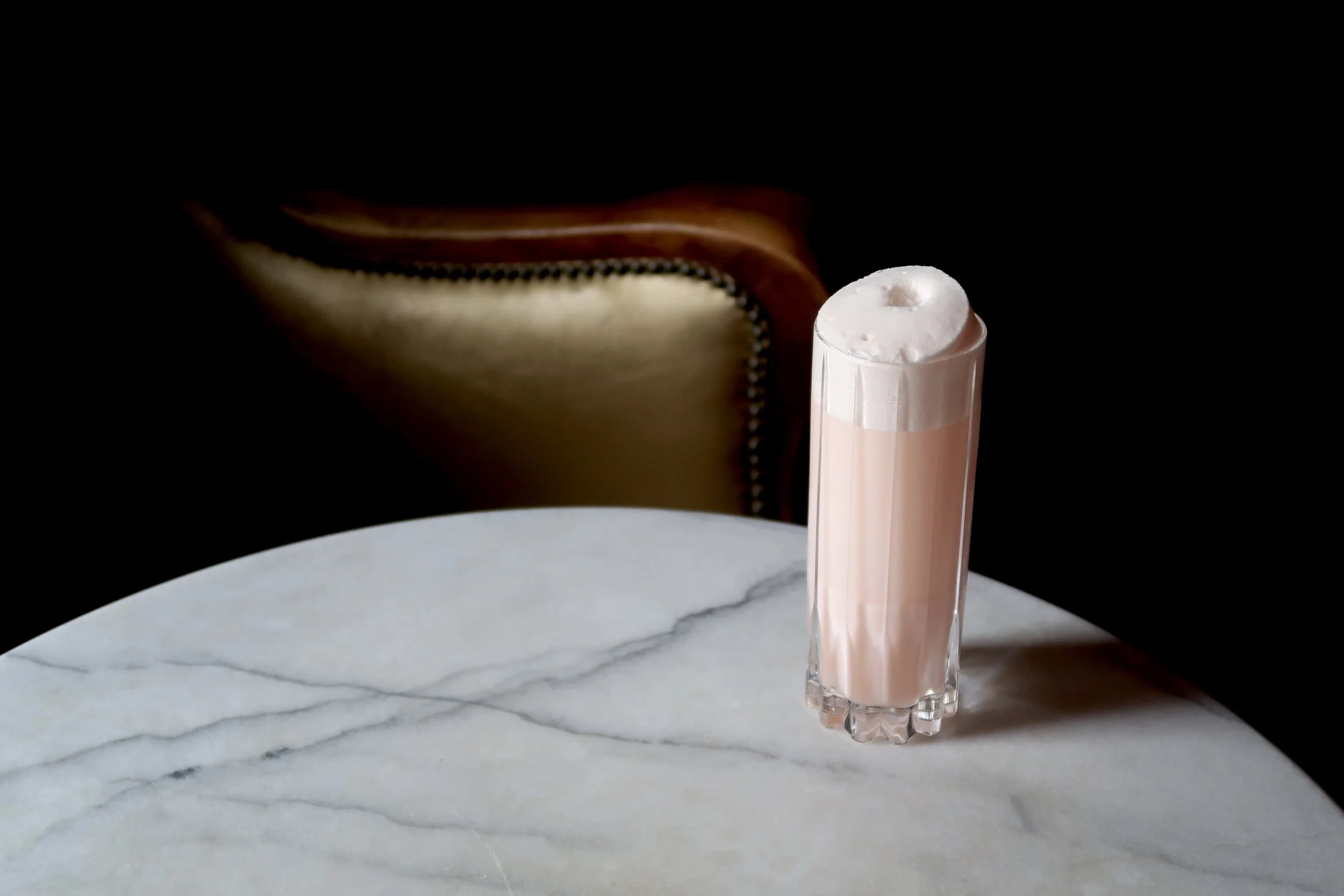
Elsie Ferguson Fizz
There were a couple of great fizz recipes I came across for this month’s theme. The first is the Crushed Strawberry Fizz, a simple gin fizz with muddled strawberry that was popular at the St. Nicholas Hotel, NYC, in the 1880s. Then there’s the eponymous Elsie Ferguson Fizz (named for the star of stage and screen) from the 1910s (gin, lemon, strawberry, grenadine, cream, soda). I replaced the grenadine with strawberry syrup and added egg white and a little strawberry vermouth.
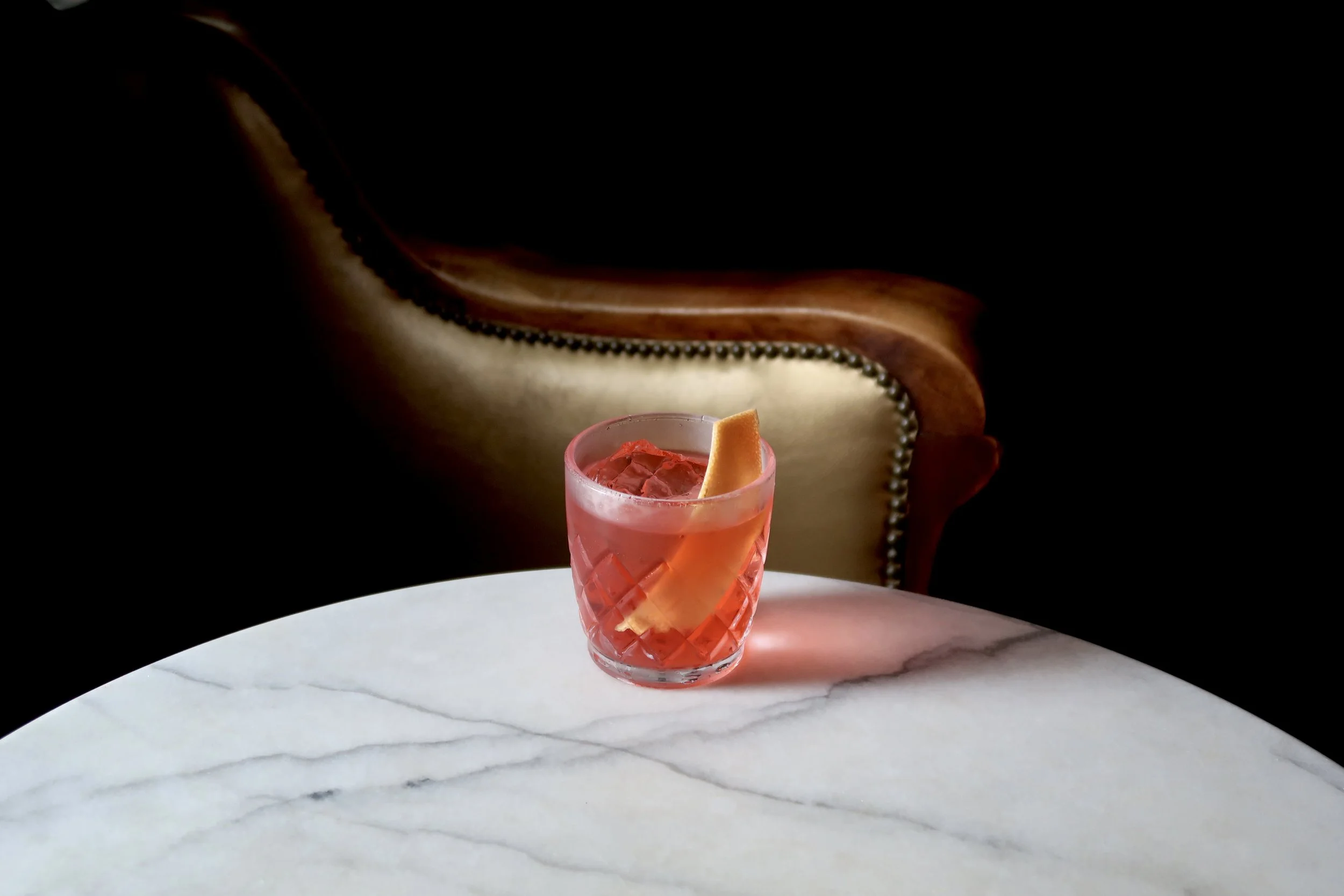
French Kick
I was a little surprised at how many spirit-forward drinks I found that called for strawberry syrup or liqueur. Gin and Cognac were by far the most common bases for these drinks and many of them called for vermouth. And several of the books I found these drinks in have lots of Campari-laced recipes (including the Café Royal book, from which I took the drink’s name). So I turned this into a kind of subtly strawberry Negroni! It’s delicious and would lend itself nicely to batching for a summer soirée.
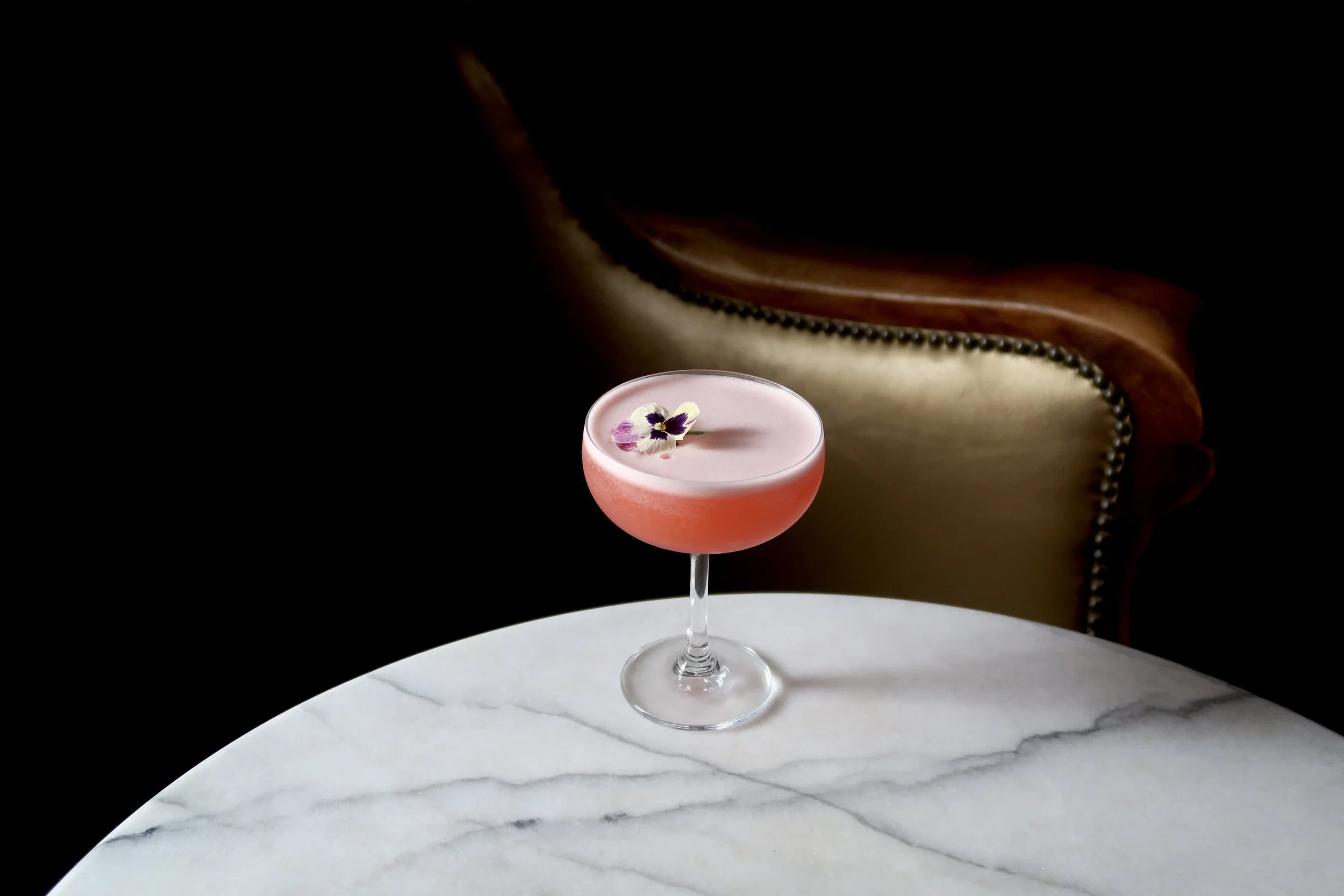
Fin du Monde
I found several sours that called for strawberry syrup or liqueur in my research; some called for gin, others for whiskey, but a few of them called for rum, which I liked the sound of! There were a bunch of supporting characters, too (anisette, red Curaçao, raspberry liqueur, pineapple, orange) so I kind of made something up inspired by all of this as well as the Siesta, Strawberry Daiquiris and the Gigantic drink Sea, Sex, and Sun. The result is absolutely delicious and triply strawberry-y!

Torino Cobbler (2025 version)
Though vermouth became part of the American drinks landscape after the Sherry Cobbler’s heyday, it nevertheless makes a fantastic base for Cobblers. The Torino Cobbler illustrates this point while also reflecting how the Cobbler template has found a home in twenty-first century bar culture, where it sees favorite modern products work their way into recipes.

Milano-Torino
The head of the Negroni family isn’t, it might surprise you, the Negroni. The now-iconic drink is actually more like the third generation of the Campari-laced clan. The Milano-Torino was the first to mix Campari and sweet vermouth (a nod to these products’ respective origins), way back in the 1860s.

Negroni
The Negroni emerged circa 1920, but doesn’t show up in bar manuals under that name until the ‘40s, when its equal parts mixture of London dry gin, sweet vermouth, and Campari. It was adopted as a favorite of cocktail revivalists in the aughts and 2010s, which has spawned countless variations.

The Americano
The Americano mightn’t be just a lengthened Mi-To as previously assumed, but rather a genre of drink that combined vermouth with various liqueurs, especially aperitivo and amaro. Fernet-Branca was a popular option, but Campari won out by the ‘30s.

Negroni Sbagliato
Sbagliato means “mistaken” or “bungled” in Italian. That’s a reference to the apocryphal tale told about why the Negroni Sbagliato features prosecco—and no gin. The resulting beverage is a delightful cross between the Americano and the Spritz.

Rabarbaro
Rabarbaro is a subcategory of amaro wherein Chinese rhubarb root is a main botanical. This ingredient is naturally smoky, which is a throughline flavor in the category, as is earthiness (roots will do that!). Producers can distinguish themselves through their choices of other botanicals.

Motor Wagon Cocktail
A stirred drink from The Hoffman House Bartender’s Guide (1905), the Automobile Cocktail consists of equal parts Scotch, Old Tom gin, and Italian vermouth, plus a little gum syrup and orange bitters. I took this template and subbed in apple brandy for the Scotch, using alpine amaro in place of bitters, and sweetening with fig syrup. It’s Martinez-esque, but feels perfect for November with apple and pronounced piney notes. “Motor wagon” was a term used by some early car makers.

Coffeehouse Vieux Carré
This drink is essentially a Vieux Carré with coffee liqueur subbed in for the Bénédictine, but with a touch of absinthe–influenced by both the Sazerac and Cocktail à la Louisiane. The cocktail bears a resemblance to my After-Dinner Manhattan from a few years back, which I designed for a customer who was craving coffee in her nightcap.

Al’s Sazerac
The Sazerac is an institution and I love the rye-based versions dearly. But I also like split-base recipes that recognize the Cognac roots of the cocktail (and Cognac-only versions too!). This version of the Sazerac plays up the cocktail’s “Improved” qualities, splitting the aromatic ingredients between four different products, as well as splitting the base.

Plum Roffignac
Ever since I wrote a piece for PUNCH about the Roffignac, I’ve wanted to develop my own spec. Though we’re taking a bit of a shortcut with this method and not making our own shrub, the à la minute “shrub” works and I love the way the plum and Cognac go together. A great drink for September that straddles summer and fall.

Club Pimm’s Royale
I wanted to demonstrate a fancy application for our Club Pimm’s, and I immediately thought of doing a Pimm’s Cup Royale, i.e. topped with Champagne. I also wanted to integrate some of the traditional fruit and mint that are used in Pimm’s Cups and decided a Cobbler format would be the perfect vehicle. Served over crushed or pebble ice, our Pimm’s Royale is, naturally, garnished with abandon.

Club Pimm’s Bar
Here’s a fun serving suggestion for our homemade Club Pimm’s and our cucumber-lemon shrub: a do-it-yourself Pimm’s bar for your next gathering! I’m happy to say that this concept caters to drinkers and non-drinkers alike, so everyone will feel taken care of at your spring (or summer!) soirée.

Hot Pimm’s
I see our Club Pimm’s as a pre-batched cocktail, apéritif, and digestif all in one. It occurred to me that, served in the style of amaro caldo, it would make an excellent, warming beverage for a chilly evening or a rainy Sunday afternoon–both common in April where I live. Adjust the recipe below to suit the size of your serving vessel.

Club Pimm’s
I’ve long dreamt of creating my own homemade Pimm’s. The original Pimm’s No.1 is great, but I wanted to come up with something with pronounced bitterness, more body and oomph. I’m really excited about what I came up with–it is both a complete standalone cocktail and an excellent ingredient in mixed drinks.

Blackthorn VII
There are several pre-Prohibition era drinks that bear the name “Blackthorn,” “Black Thorn” or “Blackthorne,” hence the numeral after the title. This version takes some of the ingredients from the English (gin and/or sloe gin) and Irish (Irish whiskey) versions and applies an equal parts structure. An optional barspoon of peaty Scotch makes this Manhattan cousin slightly smoky, if that’s your thing.

1888 Martinez
The Martinez and other early “Martinis,” were a lot like the first Manhattan recipes. Many such recipes called for a 2:1 ratio of vermouth to gin–which you are welcome to try! I went with 1:1 here. The gin, of course, would have been in the sweetened Old Tom style or Holland gin, aka genever. Lemon is traditional, but I went with an orange twist, wrapped around a cherry for visual interest.