

Improved Whiskey Cocktail — Pennsylvania Edition
I’ve centered this Improved Whiskey Cocktail, the third in my Improved Cocktail series from spring 2021, on rye. Rye was the mixing (American) whiskey of choice through the nineteenth century, with only some exceptions that call for Bourbon, which was still a very regional product. Unaged apple brandy brightens things up, while Madeira and apricot liqueur team up to lend a buttery stone fruit profile. An uncommon sweetener in the form of brown sugar syrup grounds the whole thing and points to the colonial-era inspiration behind the drink, bolstered by walnut bitters and nutmeg.

Improved Holland Gin Cocktail — Java Edition
This cocktail was part of my Improved Cocktails series in the spring of 2021. I’d tackled the Holland gin version before, but this version employed my use of two spirits as the base (genever and arrack), along with fortified wine (oloroso sherry), liqueur (crème de banane, sweetener (zesty lime-ginger syrup), and chocolate bitters.

Brooklyn 2008
The original Brooklyn Cocktail first appeared in print in 1908 as a mixture of rye, dry vermouth, Maraschino and French bitter liqueur Amer Picon. Fast forward 100 years to the heyday of the Cocktail Renaissance, where forgotten classics, European bitters, and añejo tequila all landed on the scene with a splash.

Philadelphia, Mexico
I have been playing around with a tequila-based version of Philadelphia’s own Clover Club for over a year now and finally landed on this beauty. An unusual sort-of reverse dry shake technique makes the use of jam and desire for perfect egg white texture achievable.

Hugo’s Bitter Bracer
While looking for a way to use this month’s amaro in a shaken drink with roots in the early 20th century, I happened upon Hugo Ensslin’s “Hugo Bracer” from 1917. Originally a mix of apple brandy, lime, Amer Picon and grenadine served in a goblet, ours goes in a yet-more-tropical direction, expressing what I’d call a proto-“tiki” aesthetic.

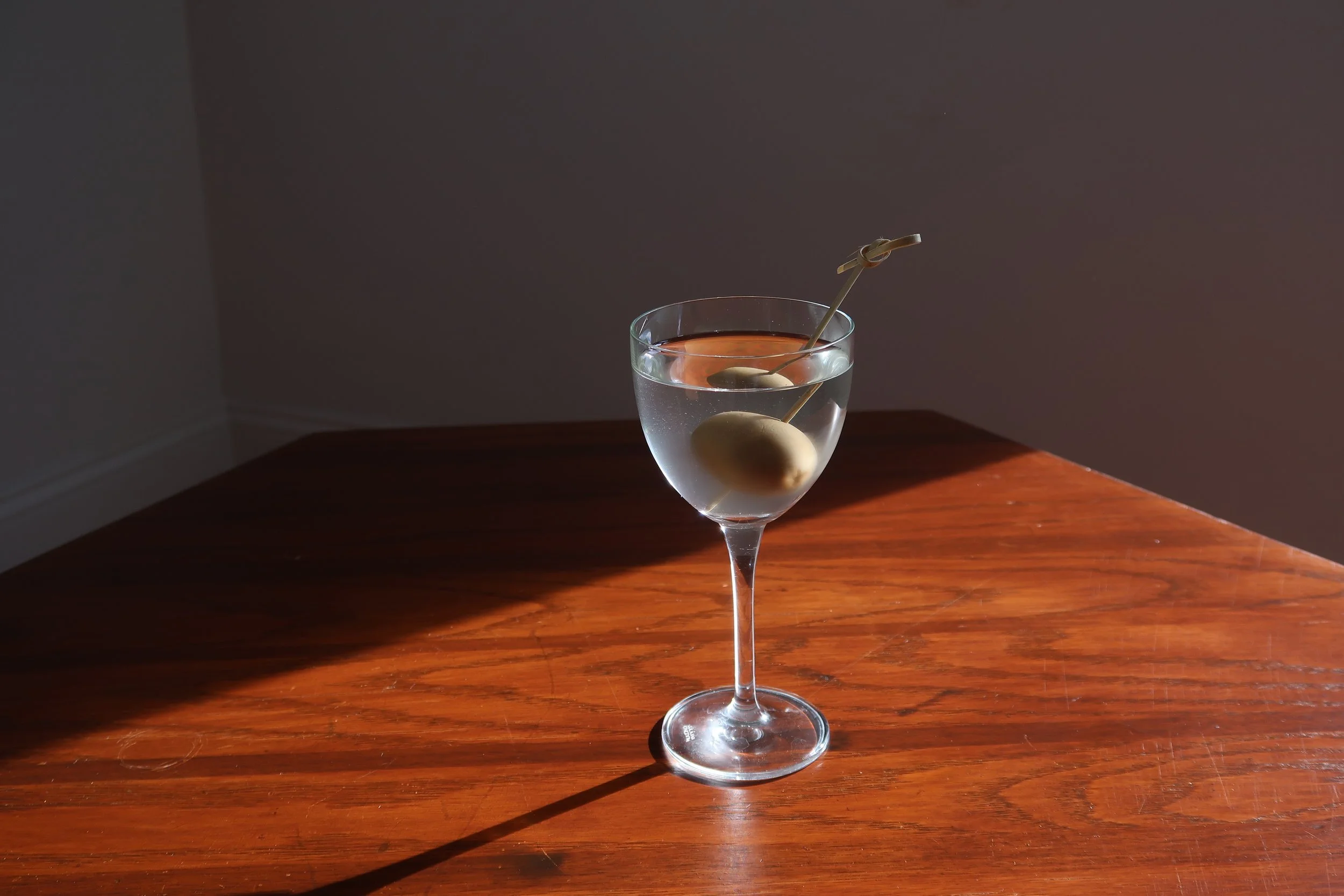
Tequila Martini
This is an ode to the imaginary point in time, in this month’s period of interest (1900- 1919) when the prevailing Martini ratio was 2:1. Bright, briny fino or Manzanilla sherry works in perfect harmony with the blanco tequila, all of which is enhanced by a little salinity and citrus.

An April’s Eve
Tom Bullock features quite a few fizzy cocktails in his book, but I particularly love the Twilight Cocktail, which is an unsweetened mixture of Bourbon, Italian vermouth, lime and seltzer. I take the edge off the sour notes with our cordial, sink the vermouth to the bottom, and insist on Club soda over seltzer here—the hint of salt is just what this drink needs.

Band of Horse Thieves
Tom Bullock’s Martinez-like Horse Thief Cocktail is perfect as is. What I decided on was to make this a batched version of his original spec, frozen until very cold, and served in frozen, absinthe-spritzed glasses à la Sazerac. I find the result is exceedingly elegant.

Dream of St. Louis
An egg-and-cream-laced sour that hews pretty closely to Tom Bullock’s Dream. We’ve swapped in absinthe for the crème de menthe and, with the addition of our cordial, we’ve given the whole thing a Creamsicle, nay Dreamsicle flavor profile.

Cocktail in the Style of Tom Bullock
When I was a young art history student, I ran into a lot of works marked “in the style of” or “a painting after” so and so. Bullock was one of the great figures of the pre- Prohibition era and I felt this naming trope appropriate. He typically served cocktails like this up, a refined presentation we honor here.
Dinner Jacket
This one takes inspiration from several members of the Martini family tree, including the Vesper, the Marguerite and the Tuxedo No. 2. That last one inspired the name—British import known as the dinner jacket was nicknamed after the Tuxedo Club in Westchester and has been known as such ever since.

The Old Prince
This Stinger riff more closely resembles the Prince and Brant cocktails, both of which call for bitters to be added to the Stinger’s simple combination of Cognac and crème de menthe. Ours switches out the French brandy in favor of bourbon and adds gentian liqueur and a little salinity, all served over crushed ice, a popular presentation during the postwar period.
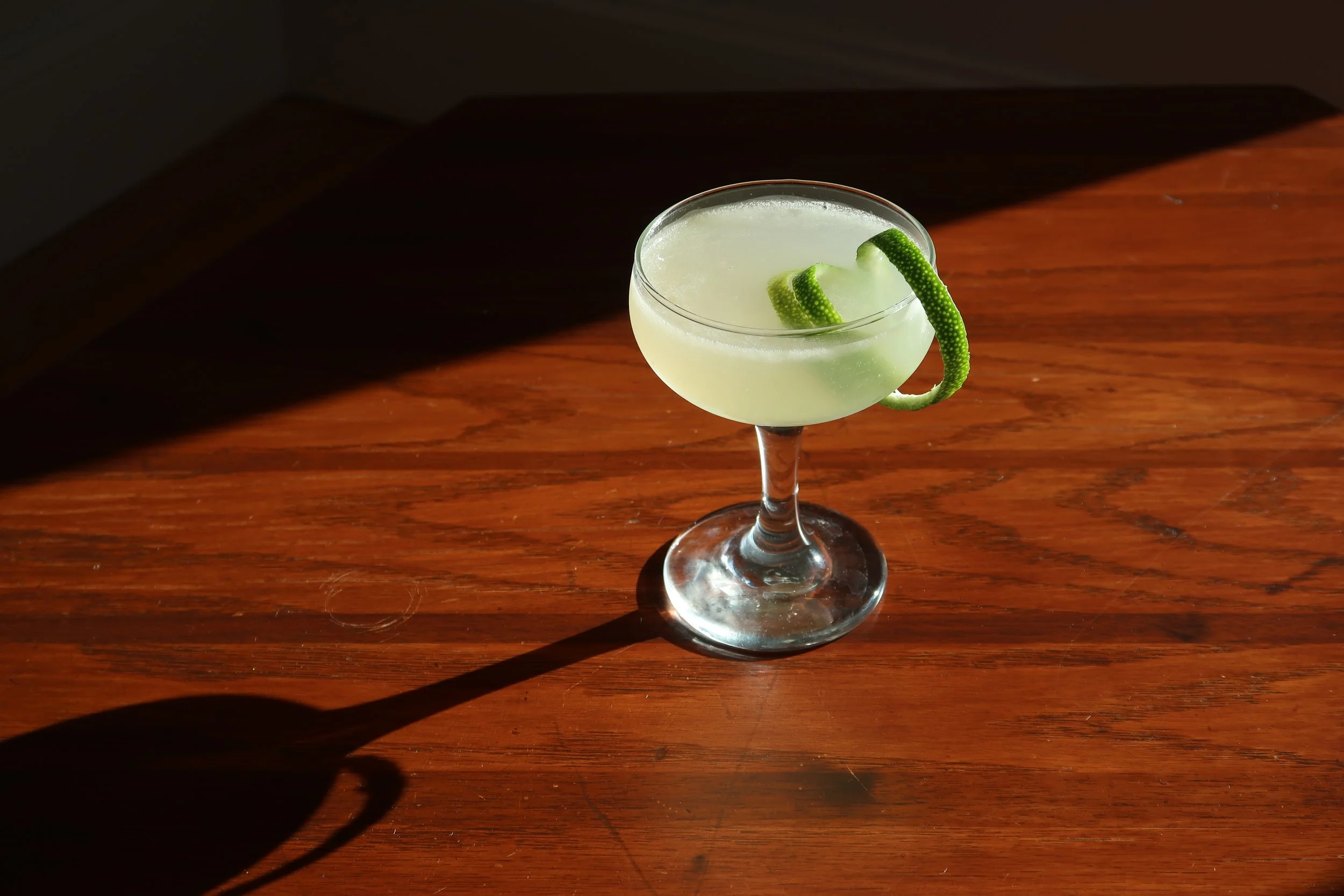
Southside Cinnamint
The Southside cocktail very likely originated on Long Island in the waning years of the nineteenth century. Simply a Gimlet (or St. Peter) with mint, our version features the unexpected-but-welcome addition of cinnamon to this classic sour.

“It’s Medicinal”
This is a take on one of the Old-Fashioned, one of the midcentury period’s favorite cocktails. I have this sense that people of the greatest generation were often ordering “their” drink, with notes to the waiter on how sweet or sour, a splash of this or that. Here, I channel that energy (and a little Midwestern style) with this campy, Coca-Cola-laced riff on the original Cocktail.

A Perfect Rob Roy
This drink was created at the Waldorf in honor of an 1894 operetta about a Scottish folk hero. A few years ago, I ordered a Rob Roy from my friend Alex Caffall at Fort Defiance; she said she always made hers “perfect,” i.e. splitting the vermouth between sweet and dry. I’ve preferred them that way ever since.

The Other Miss Taylor
Mayme Taylor was a famous comedic musical actress in the late nineteenth century. The “Mamie Taylor” cocktail was named for her and was accompanied by a likely apocryphal story about its origins during an 1899 trip she took to Lake Ontario. Regardless, the bones of the drink – Scotch, lime and ginger beer – are great, so here’s our much-more-complex version.

The Scottish Play
Theater people will know about the superstition around saying the title of a certain Shakespearian tragedy set in Scotland. Scotch gets along very well with honey, ginger and floral flavors. Add a touch of smokiness and this hot toddy riff really shines.

Hazel’s Escape
In my research on drinks with links to the theater, I found the “Up in Mabel’s Room” cocktail named for the play (and silent film, and later, talkie) of the same name. A 1919 production staged at the Eltinge 42nd Street Theatre starred Hazel Dawn in the title role. She had left her Mormon family in Utah for the bright lights of Broadway when she was young.

Le Comte
Keeping the equal parts structure of a classic Negroni, this version reduces the pour per ingredient and adds a fourth spirit. The addition of French brandy provides a counterpoint to the gin, which amplifies its pine notes, which are further bolstered by the rosemary-infused Campari.

Café Mont Blanc
Combining the traditions of espresso con panna ("with cream") and caffé corretto, this after-dinner drink offers both a digestif effect from the French brandy while also acting as a dessert.