

Medford Bumbo
Bumbo, or “Bombo” is a rum sling sweetened, diluted spirit flavored with spices. Rum was a major force in eighteenth-century life, whether it was imported from the Caribbean (that was the best stuff) or produced locally in New England from molasses, the most famous of which was produced in Medford, Massachusetts. Like the whole toddy-sling family, Bumbo is among the nearest antecedents of the capital-C Cocktail.

At Loggerheads
The flip began as a sailors’ drink and swiftly infiltrated the taverns of England and “British America.” There, it became a hot drink ー a mixture of ale, spirit, egg, sugar and spices, and sometimes other ingredients. Flips were warmed and frothed by submerging a hot iron poker, called a flip-dog or loggerhead, that had been heated in the tavern hearth. If you’re “at loggerheads” with someone, try offering them a mug of this ー ‘tis hard to stay angry with such a comfort in hand.

Al’s Manhattan Challenge
I’m challenging you all to come up with your own house Manhattan; or a new favorite Manhattan; or your fall 2021 Manhattan! Whatever you’re seeking, I hope these guidelines help you find it.
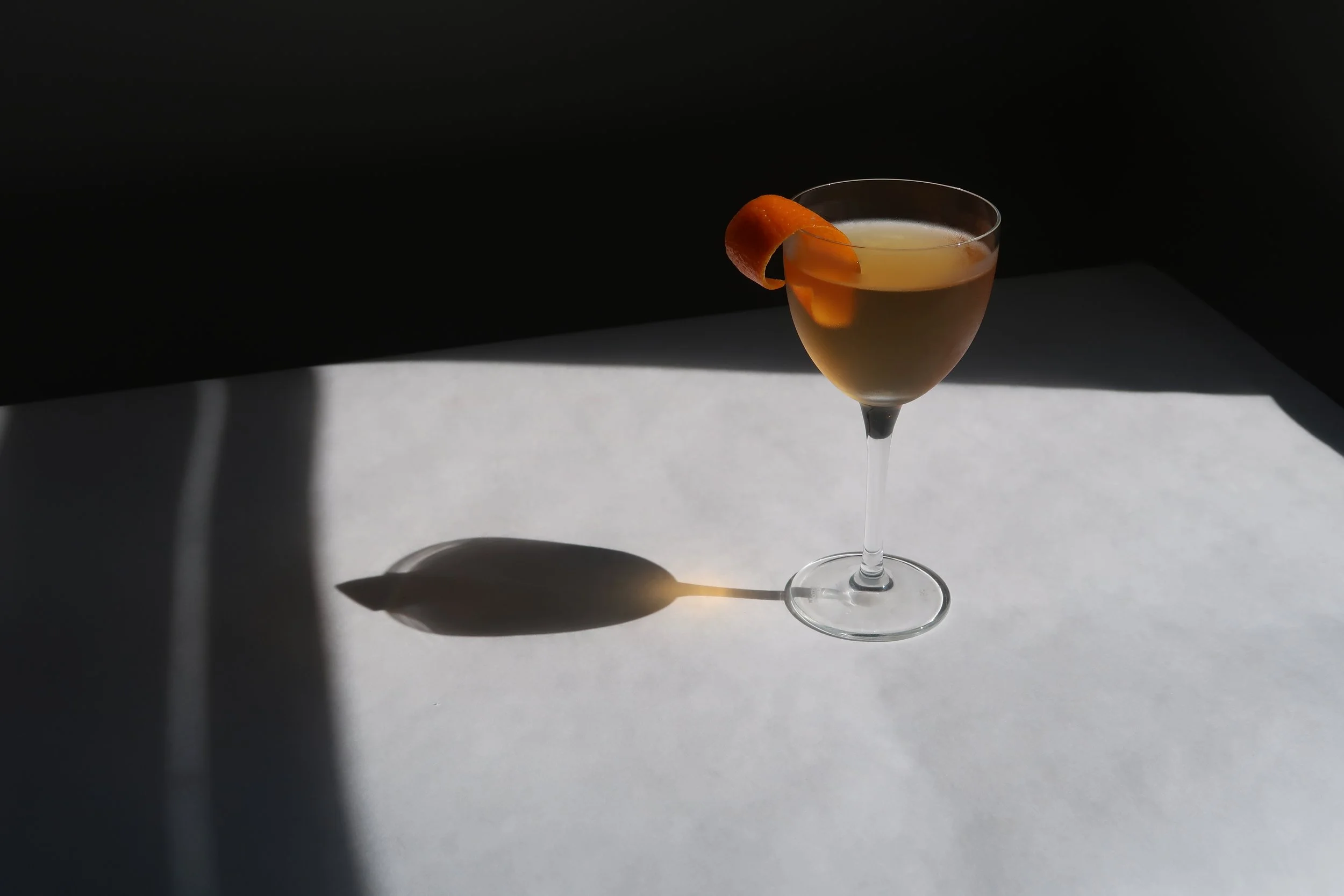
Two Stars & A Wireless
Apple brandy Manhattans are one of the most delicious (and fall-appropriate) branches of the family tree. We have a great triumvirate here: the dry Star (Harry Johnson, 1900), the sweet Star (George Kappeler, 1895), and the Marconi Wireless (Old Waldorf Astoria Bar Book, 1935).

1914 Manhattan
The Manhattan was a disparate, but powerful, force for the first thirty or so years of its existence. In the years just before Prohibition, and through the ‘30s, the recipe begins to solidify its 2:1 ratio, the bitters overwhelmingly Angostura, and the garnish is usually a cherry.

1888 Manhattan
The earliest versions of the Manhattan resemble quite closely the original Cocktail (spirits, sugar, water, bitters) and feature a split base of rye and Italian (sweet) vermouth. This is an excellent example, taken from the second edition of Harry Johnson’s Bartenders’ Manual.
Rob Royale
This is the cocktail I came up with on the spot during our September 2021 video shoot when I realized I hadn’t developed a recipe to use as the example for the Manhattan Challenge. Love it to this day and still make it!

Pineau des Charentes & Pommeau de Normandie
Both of these beautiful products are mistelles, which are produced by adding unfermented or partially fermented juice to full-proof spirit (typically in a ratio of 3:1 juice to spirit) and barrel aging it. Pineau des Charentes is produced in the same region as Cognac and combines unfermented grape juice with 1-year-old Cognac. Some are bright and lively while others have earthier, dried-fruit notes. The Pommeau is produced similarly, but in Normandy, an apple-rich coastal region in the northwest. It’s typically 75% unfermented apple juice and 25% Calvados and delivers not only big apple flavor but a wonderful texture as well.

Pastis
Gaëtan Lassale is one of my oldest friends. We studied in Canterbury, England, together back in the early aughts. Gaëtan grew up in a village in the south of France, eating dinner with his family on the terrace every night in the summer. They ate lots of grilled meat and vegetables, along with ratatouille and aubergines in tomato sauce, which were prepared in the cooler morning hours and served cold in the evening. His grandmother liked to beat the heat by drinking the anise-flavored spirit pastis with chilled water ─ a popular drink in Marseille.

Olivier
Last year I had the good fortune of connecting with Zac Overman, who sent me a copy of Cocktails a L’Américaine, a compilation of L’Oursin’s house cocktails. The book is full of complex drinks rooted in American mixology that utilize the best of French and alpine spirits, wines, and liqueurs. But because of our August theme, I chose to feature this elegant bitter highball, which showcases the style of French drinking we’re celebrating this month. It’s named after the Corsican cheesemonger who supplies L’Oursin.

Kir-Any-Way
My friend Rebekah Peppler has a talent for transporting her readers to France. Her books, Apéritif and À Table give us a window into her life in Paris and highlight traditional French food and beverage. When I was perusing her books for this month’s programming, I noticed that her collection of Kir variations is like a mini road trip through France, from Normandy and Brittany to Burgundy, Paris, Champagne, and beyond. So, grab a bottle of crème de cassis, choose your variation(s), and be transported!

Lockport Sling
This one’s basically a sparkling sling with a little pop of acidity from the cordial. The combination of cherries and baking spices reminds me of eating cherry cobbler (or pie!) outside toward the end of a long summer’s evening.

Summer Sangaree
The Sangaree is one of the oldest in the tavern drinks canon and its existence long predates the foundation of the United States. Ours makes the most of summer’s bounty and mimics the presentation of the Sangaree’s more famous offspring — the Spanish punch Sangria.

Erie Canal Fix
The fix is one of the great pre-Civil-War templates but, for such a great drink, it doesn’t get nearly enough attention. Our version features a split base of genever and rye, both grain-based spirits and two of the megastars of early cocktail culture. Be sure to garnish with abandon.

Holland Gin Smash
The smash has evolved over its more than 150-year history. Our version splits the difference between its past as a small, shaken julep and its modern-day life as a muddled affair. I really love this presentation.

Mai Tai
The Mai Tai is Victor “Trader Vic” Bergeron’s most famous creation and one of the great drinks of the tiki canon. Rum expert Shannon Mustipher’s version offers the ingenious introduction of a small measure of unaged rhum agricole. I’ve made just a couple of slight alterations based on our supply list.
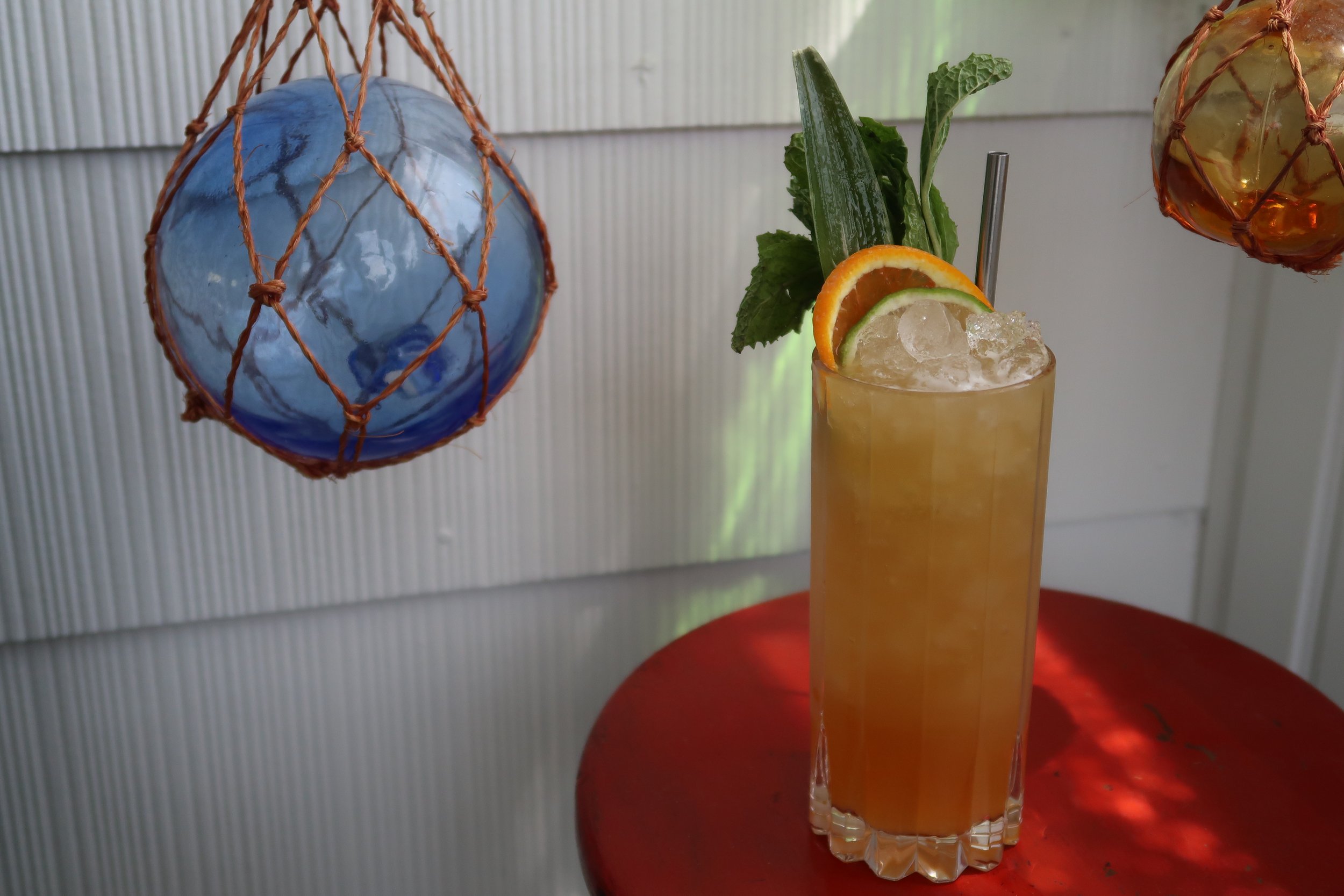
Planter’s Punch
Planter’s Punch is a centuries-old Caribbean recipe and was the basis for Donn Beach’s earliest “Rum Rhapsodies.” St. John Frizell and his bar staff at Gage & Tollner serve this excellent rendition of the classic, which appeared on the G&T cocktail list in the 1940s, and likely before.
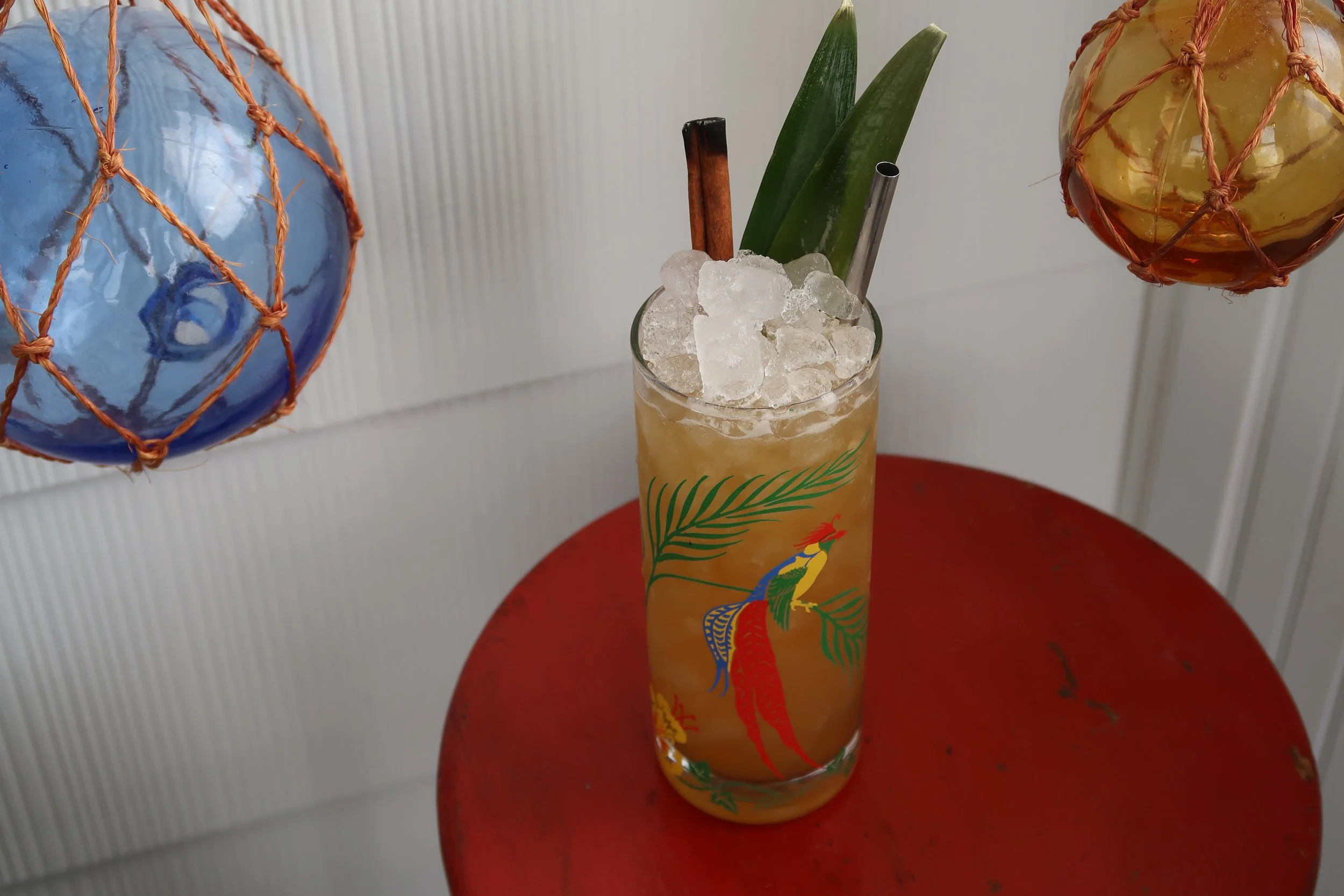
1950 Zombie
Ned King helped me immensely in planning this month, including bringing this post-WWII Zombie to my attention. Though different from the 1930s Zombie, this version reads as a direct descendent of Planter’s Punch. I’ve made a couple of changes to Ned’s spec based on what we have on hand this month.

Missionary’s Downfall
This is a Don the Beachcomber original from 1937. Ned King has spent a lot of time perfecting this recipe, which is fresh and bright. We’ve taken a couple of small liberties to minimize our supply list, but the spirit of Ned’s spec for this early tiki classic shines through.

Improved Brandy Cocktail — Iberian Edition
This is the second in my Improved Cocktail series in the spring of 2021. With deep, dark flavors, this Improved Brandy Cocktail - Iberian edition - emphasizes the importance of products from Portugal and Spain in the history of the American Cocktail and, before that, in Punch and early modern drinking history, generally.