

Recipes
Juleps, Cobblers, Smashes, and Fixes!
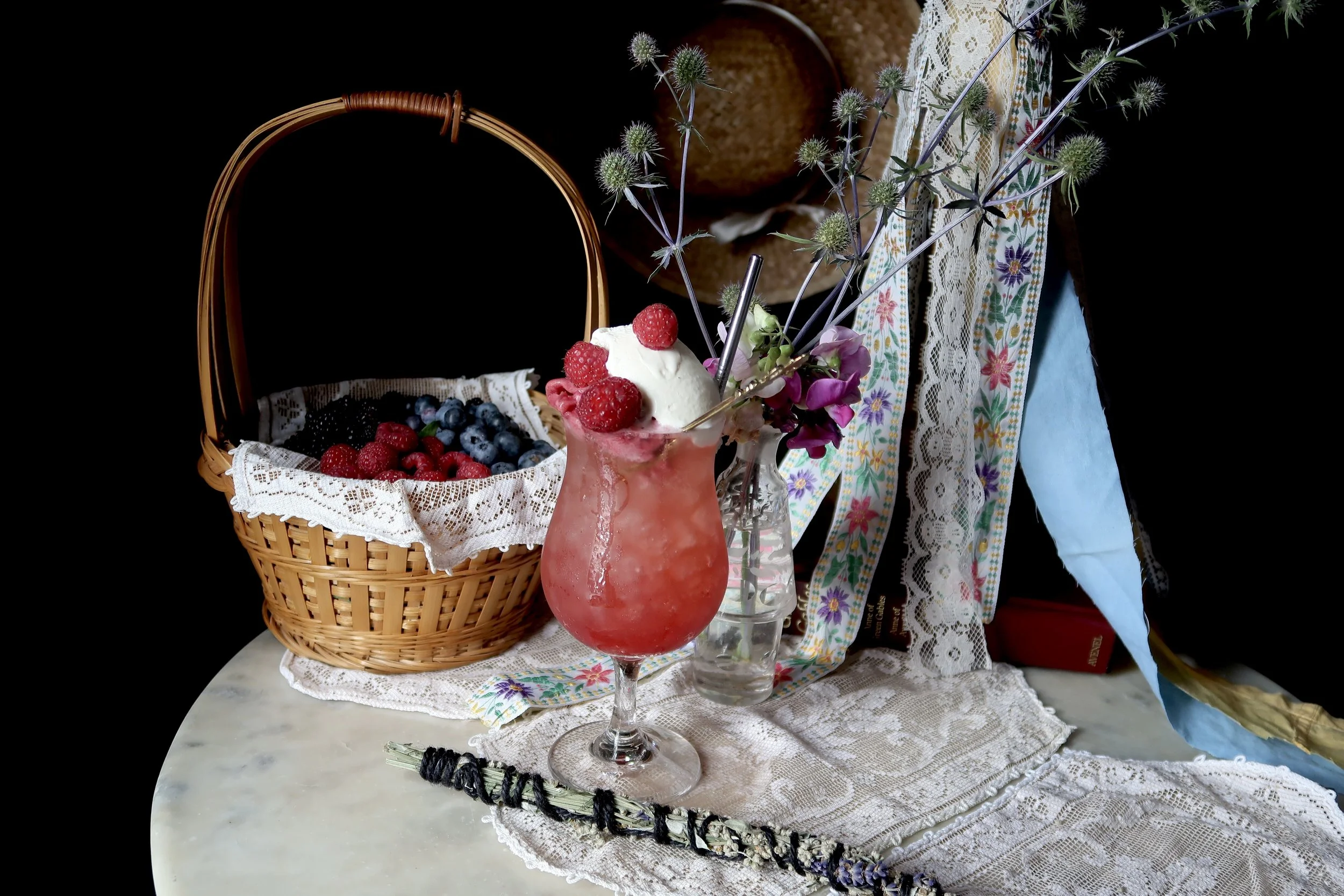
A true Edwardian dream drink, this Champagne Cobbler has sloe gin, raspberry cordial and dry sparkling wine, garnished with little scoops of raspberry sorbet and vanilla ice cream and raspberries and/or currants! It’s named after the fancy hotel where Anne gives a reading of The Highwayman (published in 1906, and included in the 1985 CBC film, not the book!).
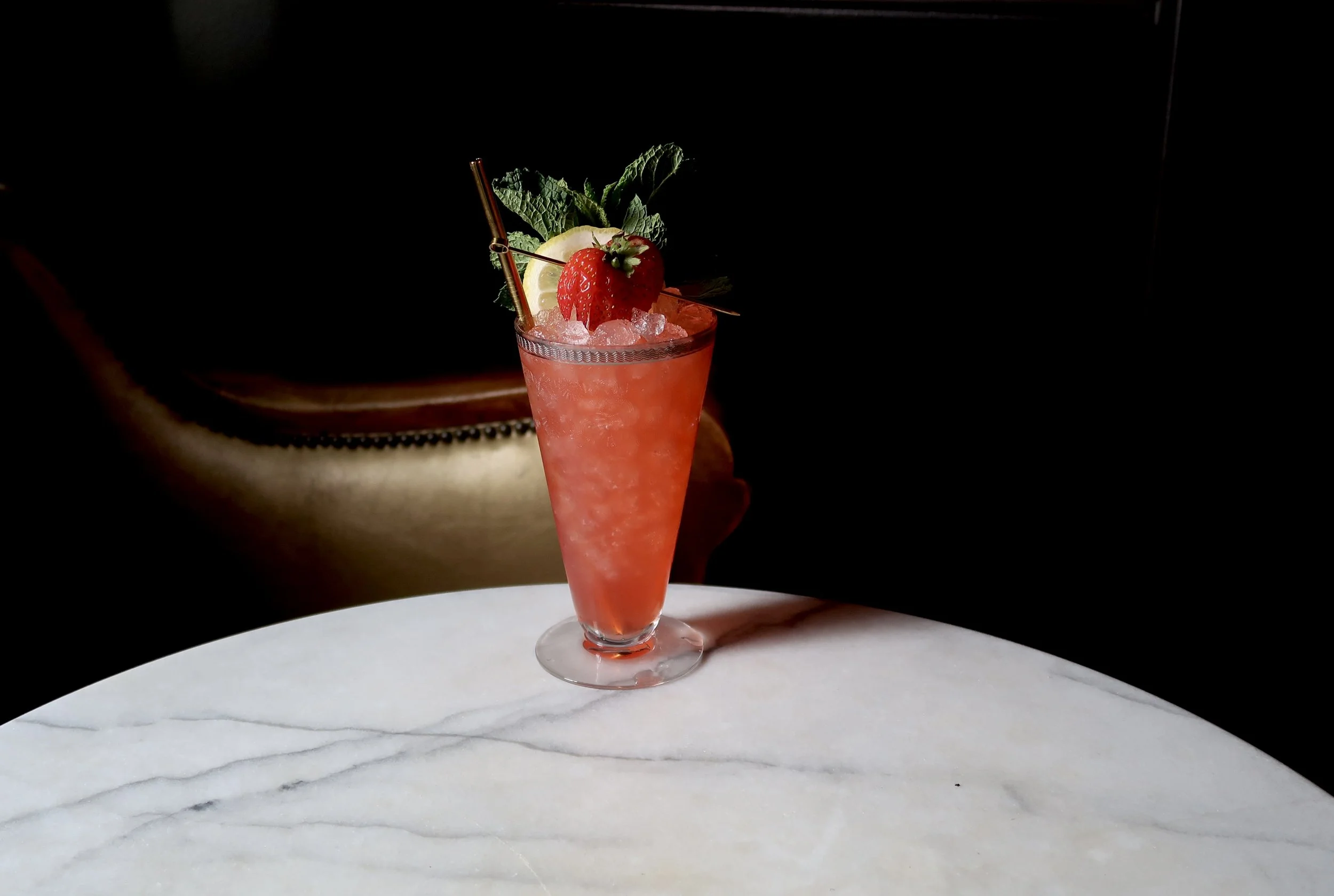
A fair few of the recipes I came across in this month’s research involved muddling strawberries, but this is the only one that properly read as a cobbler, complete with the heavy wine component in the base (originally ruby port), with Cognac in a supporting role. The 1920s Parisian book it comes from has lots of Campari in it, so I threw in a little for dimension. Reminiscent of our Torino Cobbler.

Though the Sherry Cobbler is far and away the most famous of the genre, the Madeira version is the first known mention of the drink on record. Even more popular than sherry in the eighteenth century, it’s no wonder Madeira made a splash in the new style of iced drinks that emerged in the decades before the Civil War. Stone fruit and ginger compliment the wine and so do the fortifying spirits of brandy and aged rum.

The Sherry Cobbler came on the scene in 1838 and in a matter of years it was known across the United States and was poised to take over the world. A simple mixture of sherry, sugar, and citrus shaken with ice, served over ice with a straw, and garnished with abandon. For this recipe, I stuck to the classic orange and lemon, pineapple syrup (inspired by an 1880s Harry Johnson spec) and a blend of oloroso and PX sherries.

It’s only natural that for a template that centers fortified wine would extend to the third member of the great Iberian triumvirate: port. The first published recipe I can find for a Port Cobbler is in Harry Johnson’s 1882 book. I love ruby or white ports in cobblers and for this recipe I combined tannic ruby port with blueberries and a 1:1 vanilla syrup. I really like currant and cherries spilling out of this drink in a goblet.

Though vermouth became part of the American drinks landscape after the Sherry Cobbler’s heyday, it nevertheless makes a fantastic base for Cobblers. The Torino Cobbler illustrates this point while also reflecting how the Cobbler template has found a home in twenty-first century bar culture, where it sees favorite modern products work their way into recipes.

Named for the main character in The Secret Garden, this iced beauty combines the aesthetics of the Fix and the Bramble in a charming presentation. The malty genever base provides a canvas for the classic English flavors of rhubarb, ginger, and blackberry.

As you know, my historically-driven palate favors the spirits that were popular in 19th-century juleps, i.e. rye, Cognac, and rum. For my own julep recipe, I wanted to combine these three in equal parts with a favorite amaro (Braulio or dell’erborista are particularly good here, but there are many that would work!). I also decided to make the garnish do a little aromatic work, hence the nutmeg and shaved coffee bean, which hit the nose along with the mint upon first sip. The sherry float also contributes a nice aroma if desired!

This is probably the drink that first comes to mind when you think of juleps (unless your brain is stuck in the 19th century like me)! The bourbon-based julep is the one that has survived into the modern age, thanks in no small part to its connection with the Kentucky Derby. For this recipe, I wanted it to be exceedingly elemental. Since we’ve combined the sugar and mint in our mint syrup already, this julep requires but two ingredients (plus a big bouquet of mint, of course). It is simplicity at its finest!

This recipe, based on one from the 1850s, gives a window into what pre-Civil War juleps looked like after ice had established itself as an essential part of the drink. The mixture of Cognac and rye and the slight presence of Jamaican rum illustrate the julep’s former life as a rum drink and the preference for a brandy base during this period while also foreshadowing the rise of rye juleps that would come after the Civil War (see Dabney Julep from our Pre-Civil War Black Tavern-keepers theme). NB: crushed ice is preferred over pebble here.

What’s a julep before it becomes an iced drink? Why, a Mint Sling, of course! During the eighteenth century the eastern seaboard was awash with minty, rum-based slings that also traveled under the name julep. Because we are used to chilled beverages (especially with juleps on the mind), I decided to give this tavern drink the batch-n-freeze treatment; the result is a very pleasing pour that tastes like an aged rum mojito sans ice and soda.

Though the Sour template predates the Fix slightly, the latter–a Sour served over crushed ice–was an incredibly popular member of the family in the mid-nineteenth century. Our recipe is diluted with a measure of water, just like the earliest extant Fix and Sour recipes–a nod to their evolution as a single-serving punch.

There are two schools on the history of the Hail-storm and my suspicion is that they have both been true and different points in history. One is that “Hail-storm” is just another term for a Mint Julep, and the other is that the drink was sweetened brandy served over ice. I opted to explore the latter here, making it a nice chilled capital-C Cocktail–a drink that otherwise remained room temp for much longer than contemporaries like the Cobbler, Fix, etc.

Like many of the Black culinarians we’re learning about this month, Thomas Downing was not considered a bartender, but a restaurateur who ran an oyster cellar and catering business. But we know he served drinks at his establishment and, as Cobblers were the order of the day, I opted to create one with Madeira and brandy which were en vogue in New York City during Downing’s heyday.

John Dabney was so famous for his Mint Juleps that his obituary claimed that he “concocted more mint juleps than any man in the country.” His were rye-based, piled high with crushed ice and garnished with abandon. One description of a Dabney Julep listed mint, a strawberry, cherry, a slice of pineapple, and a pink rose as garnishes.

The California gold rush created an incredible demand for all kinds of goods that the Bay area didn’t yet have the infrastructure and stock to provide. Coffee was one such commodity and its price skyrocketed as coffee merchants sought to make big profits off the miners’ newfound wealth. I imagine that the miners would have spiked their expensive coffee with a bit of whiskey and sweetened it with pricey sugar and vanilla, too.
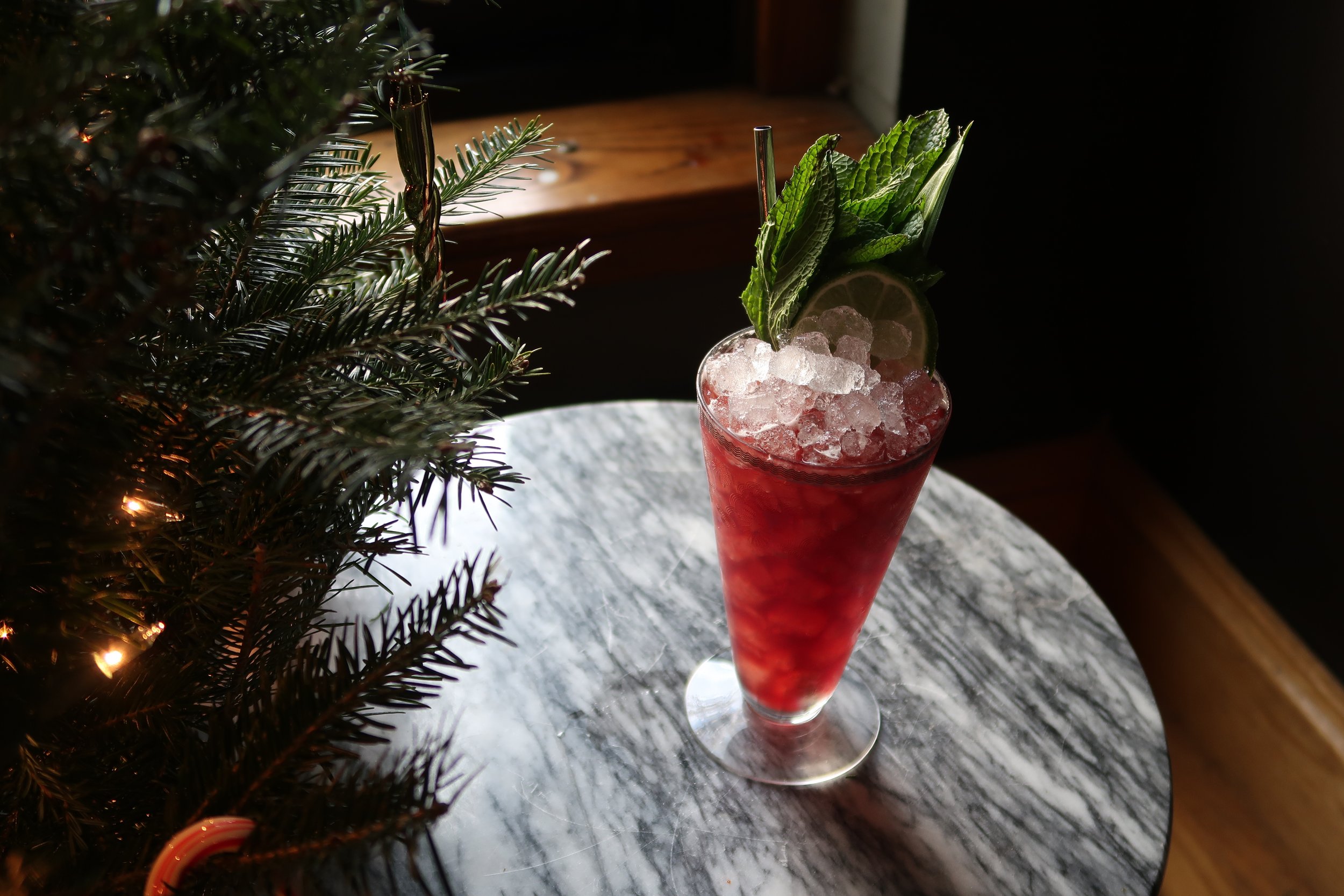
I love the classic idea of having nuts, chocolate, and dried fruit with coffee and port after dinner. For this recipe, I leaned on the idea of Sangarees and Cobblers, layering flavors over a tannic base and drying the whole thing out with a half-ounce of rye. Pebble ice and a very Victorian garnish make this one quite festive indeed.

I love making all manner of Cobblers during the summer when every month brings a new bounty of fresh fruit. But I’ve always wanted to adapt a Cobbler for peak fall and Madeira is the perfect wine for it. I love looking at old pear and apple varietal names and took the name for this drink from a type of pear that’s still grown in western Massachusetts.

Smashes were all the rage from the 1830s through the Civil War period. In July 2021, we delved into its history and the (s)mash-up of nineteenth- and twentieth-century styles that produced the modern Smash. This one features my signature presentation and is laced with amaro and fortified wine, just like my on my Derby Smash (bourbon, rabarbaro, blanc vermouth, honey, mint). The “dry orange” bit in the title refers partially to the dry sherry and partially to a soda flavor by Polar, the pride of Worcester, MA.

I wanted to demonstrate a fancy application for our Club Pimm’s, and I immediately thought of doing a Pimm’s Cup Royale, i.e. topped with Champagne. I also wanted to integrate some of the traditional fruit and mint that are used in Pimm’s Cups and decided a Cobbler format would be the perfect vehicle. Served over crushed or pebble ice, our Pimm’s Royale is, naturally, garnished with abandon.

The fix is one of the great pre-Civil-War templates but, for such a great drink, it doesn’t get nearly enough attention. Our version features a split base of genever and rye, both grain-based spirits and two of the megastars of early cocktail culture. Be sure to garnish with abandon.

The smash has evolved over its more than 150-year history. Our version splits the difference between its past as a small, shaken julep and its modern-day life as a muddled affair. I really love this presentation.

This imagined Julep is one I think could have existed in the 1860s in New England, where October brings Concord grapes, and sage and apples are abundant.

My devotion to fortified wine and obsession with 19th-century cocktail aesthetics makes the Cobbler one of my favorite genres. This one combines my love of aperitivo and olde American drinks. Classic Torino-style vermouth, Campari, grapefruit, Sfumato, and strawberry made for a great combination, especially ideal for spring.

In this interpretation of a cobbler, smoky Mezcal and piney gin team up with off-dry blanc vermouth, lime, cucumber, and parsley for a verdant spring cocktail.

This drink was developed as part of my Autumn Aperitivo class. It’s a fix built on apple brandy, lemon and orange juices, and maple syrup, served over crushed ice with an amaro float and a generous grating of nutmeg. It’s really good.

A true Edwardian dream drink, this Champagne Cobbler has sloe gin, raspberry cordial and dry sparkling wine, garnished with little scoops of raspberry sorbet and vanilla ice cream and raspberries and/or currants! It’s named after the fancy hotel where Anne gives a reading of The Highwayman (published in 1906, and included in the 1985 CBC film, not the book!).
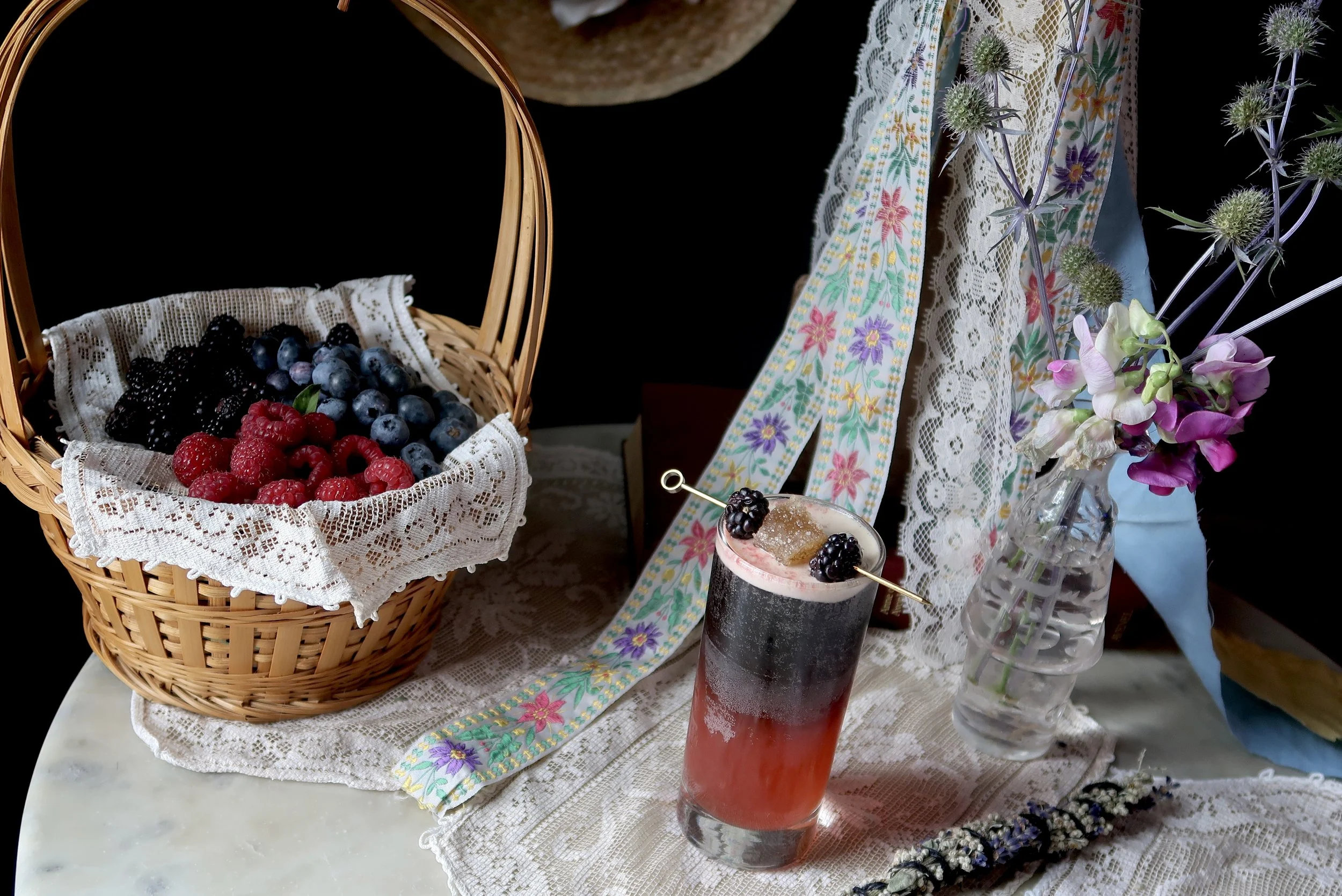
This is a drink to honor dear Matthew Cuthbert, the sweetest man in the history of Canadian literature! Though the Cuthberts don’t drink much (they’re not completely teetotal, Marilla makes currant wine), I picture this kind of drink being a special treat for Matthew after a long day. Anachronistically inspired by the Snakebite and Black and given a smoky note to reference Matthew’s fondness for smoking a pipe, I layered raspberry cordial, sloe gin, and peaty Scotch, then added cider and floated Guinness on top! Candied ginger and blackberries seem a charming garnish-treat for this one.
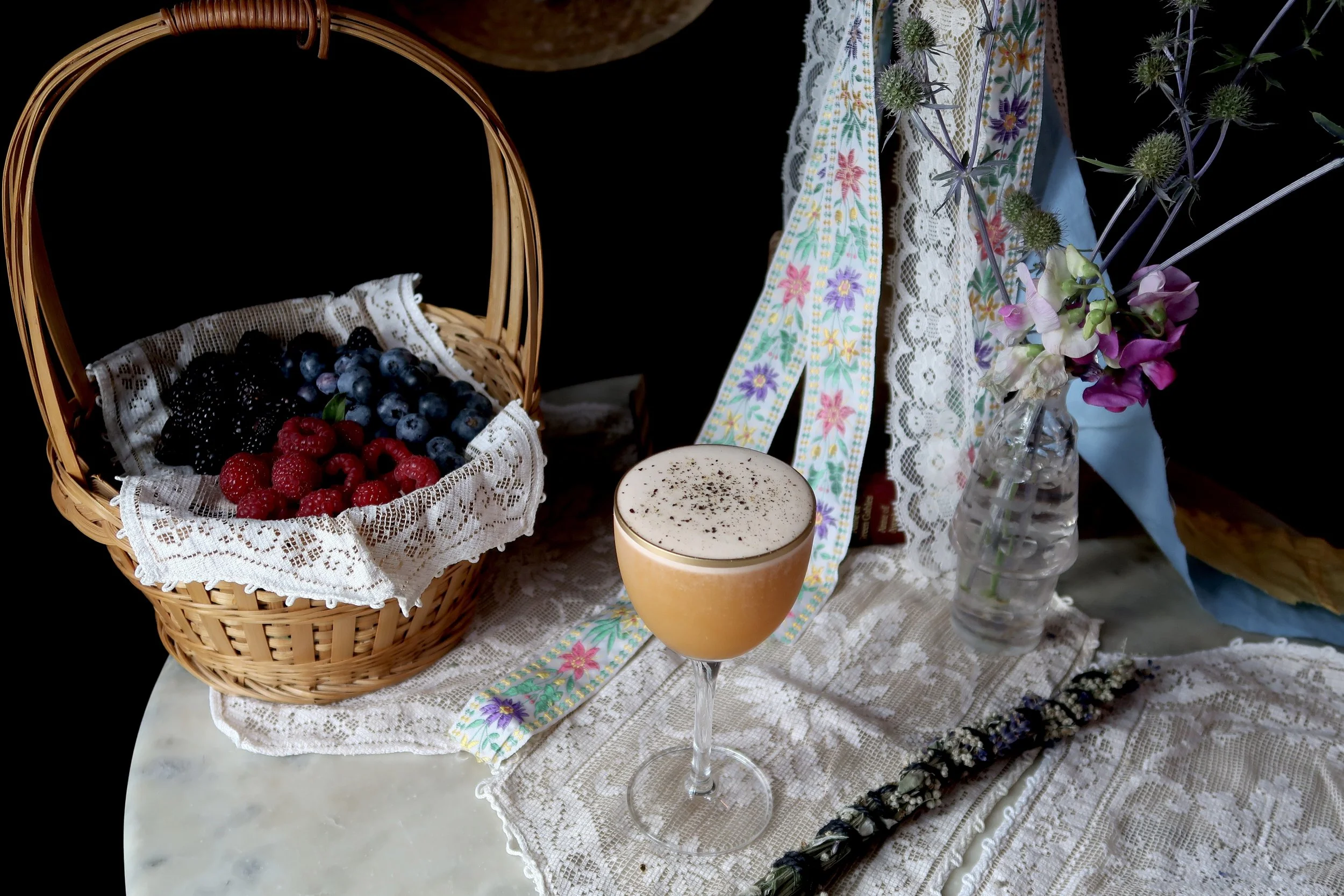
I had to include a drink inspired by the scene where Anne breaks a slate over Gilbert Blythe’s head for calling her “Carrots” because of her red hair… I made a savory, smoky, carrot sour that will be a perfect late summer-into-fall transition drink. Peaty and blended Scotches are layered with Avonlea Fair syrup, carrot juice, lemon, and celery bitters, which is all shaken with egg white for texture. Flaky salt and freshly ground black pepper make for a perfect garnish.
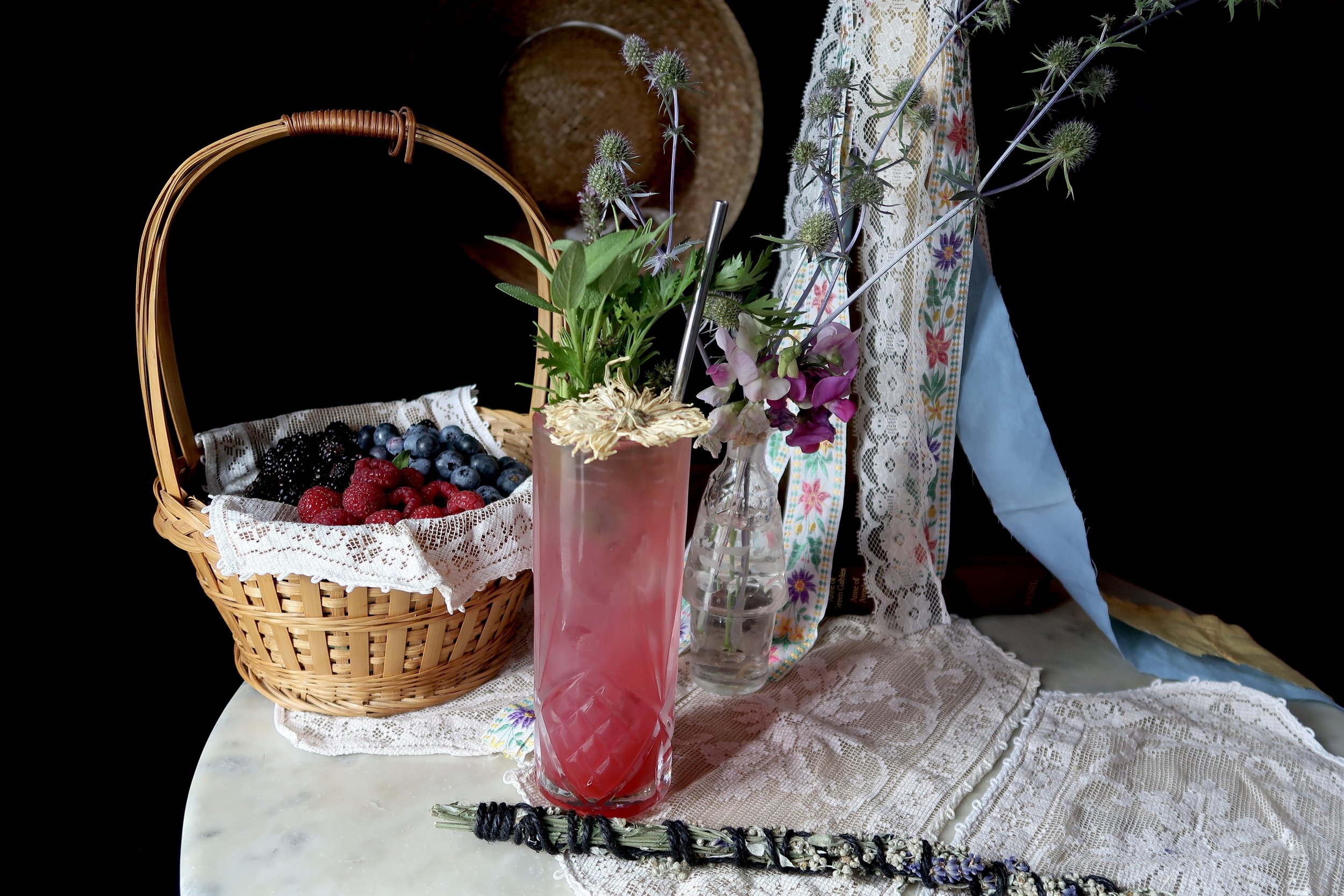
In honor of a spelling bee wherein Anne wins by correctly spelling chrysanthemum, I basically made a delicious iced tea beverage. Chilled chrysanthemum tea, Avonlea Fair syrup (with parsley, sage, rosemary, and thyme!), raspberry cordial, lime juice, and celery bitters make for an herbal, tart, cooling drink that makes you feel like you’re walking through a field of cut hay! And a measure of blended Scotch won’t go amiss here, if you want to fortify it!
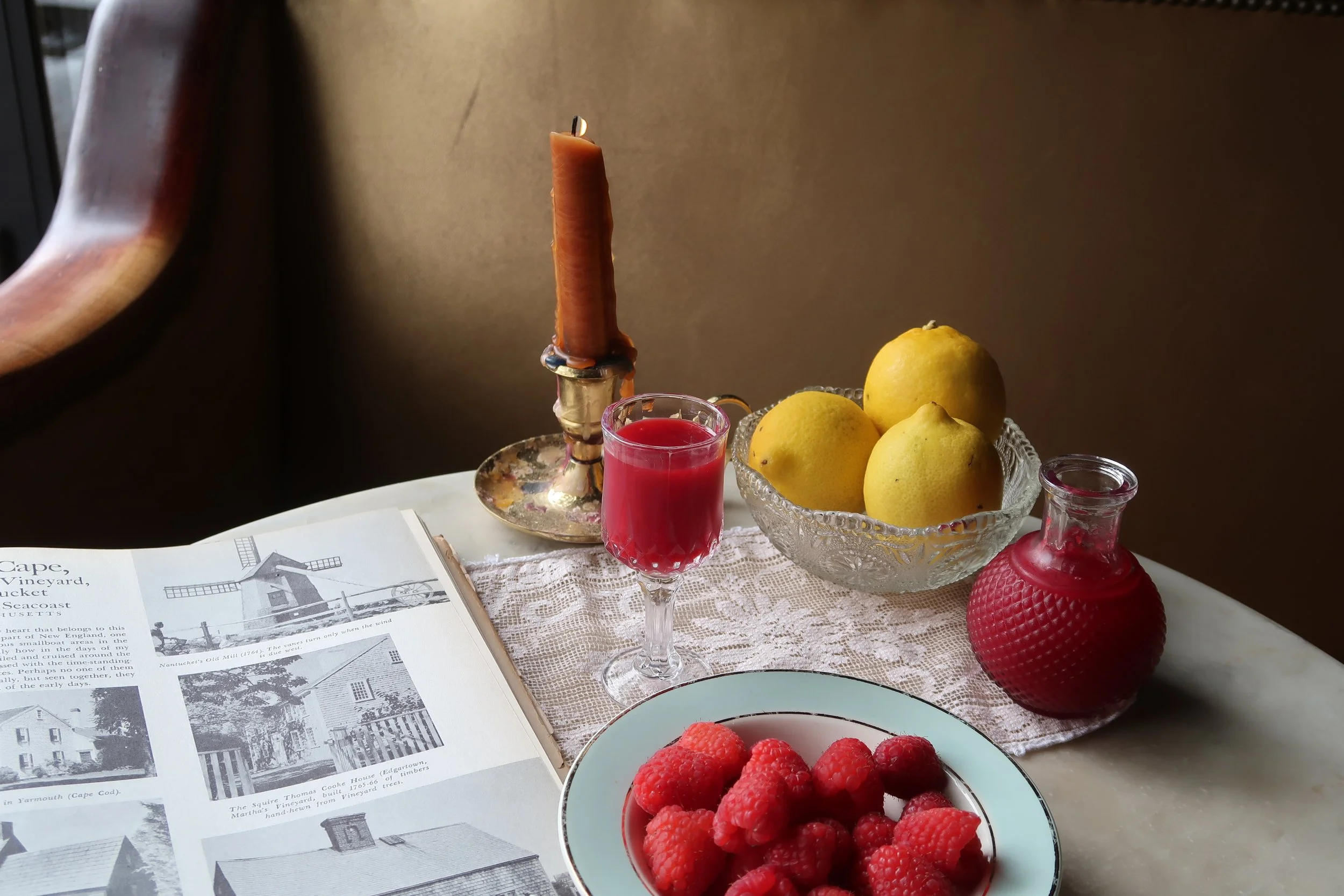
Cordials fall into two categories: homemade or commercially produced liqueurs that we see during the period we’re looking at, or the English-style non-alcoholic fruit syrups that typically contain juice (such as Rose’s Lime Juice Cordial). I wanted to do something non-alcoholic for this month (and to roll into a very close-to-my-heart theme for August), so I am choosing to make a more English-style cordial with the unbeatable combination of raspberry and lemon.
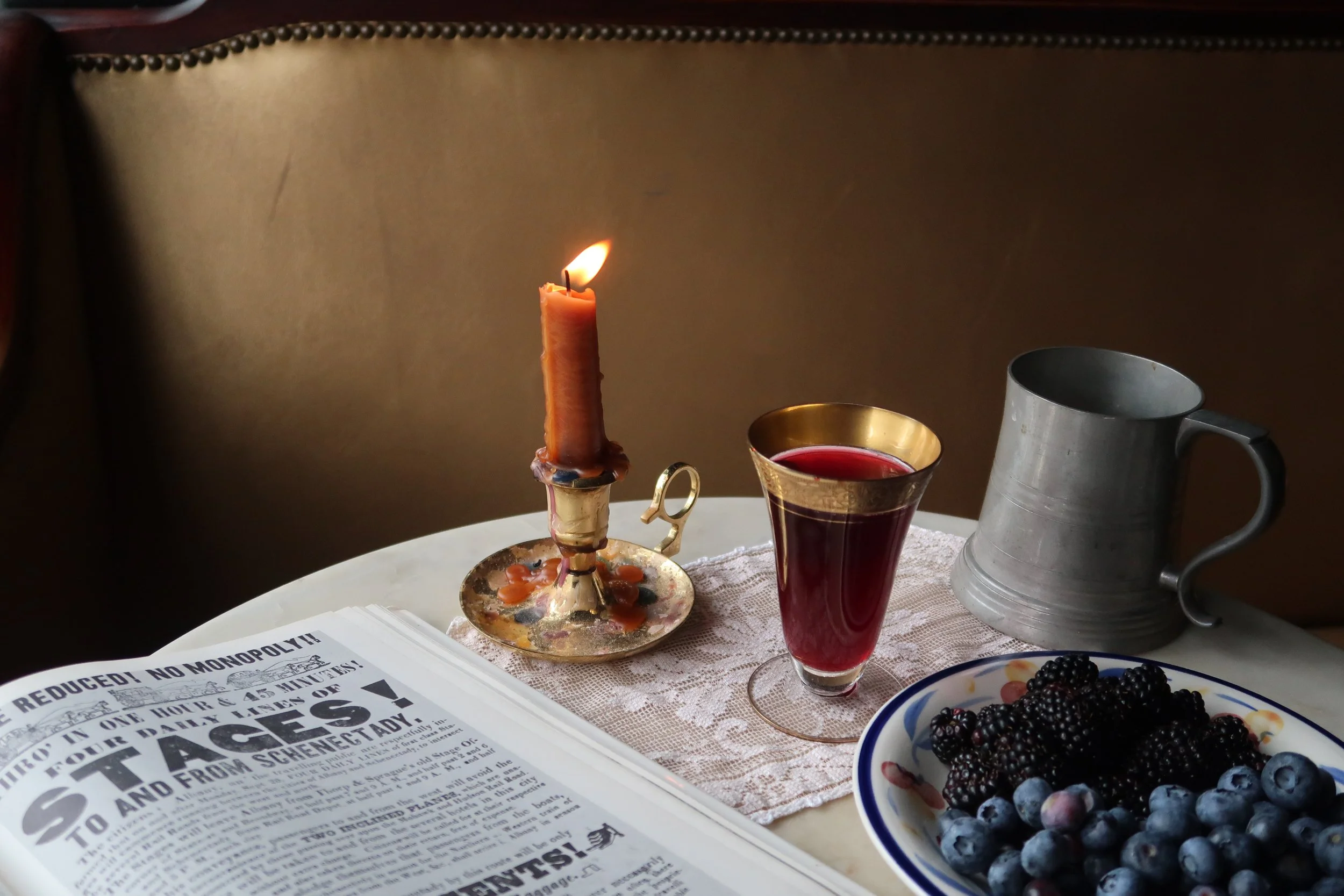
Inspired by blackberry "brandy" recipes in old household manuals, as well as the French liqueur crème de mûre, this is my attempt to capture the fleeting experience of drinking a berry-packed Port Cobbler on a summer’s day. Ruby port (and other complementary fortified wines like strawberry-infused vermouth, if you like) is infused with fresh blueberries and blackberries, sweetened, and fortified with Old Tom gin or genever.
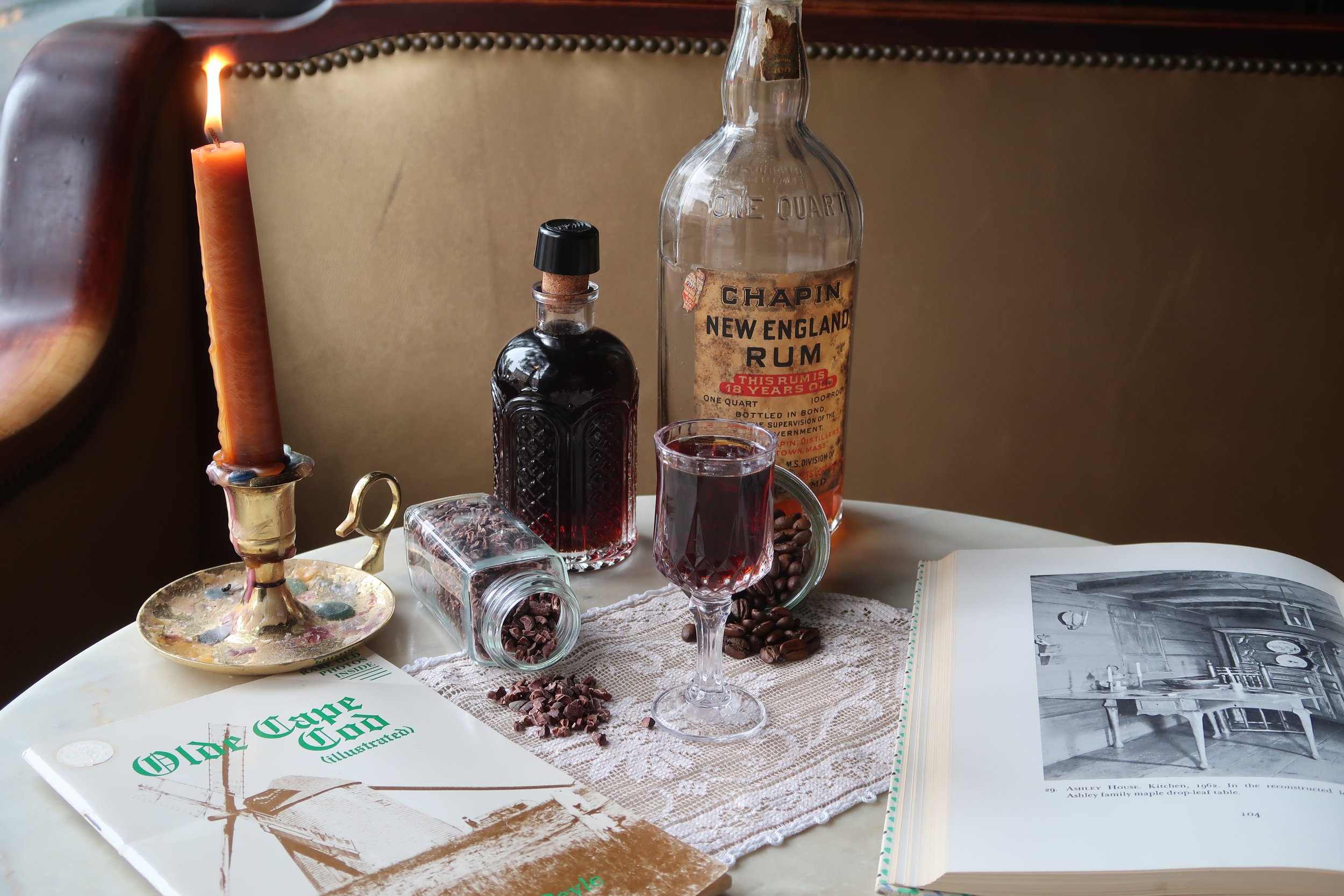
Ratafias originated in western Europe as a mistelle-like liqueur made with the pits of stone fruit. But the genre expanded to be made with all sorts of things–a range of fruits, nuts (like nocino!), spices, roots, herbs, seeds, and flowers. And dozens of these recipes can be found in pre-Civil War household manuals. I loved the idea of making a “mocha” ratafia, combining recipes for coffee- and cacao-based examples.
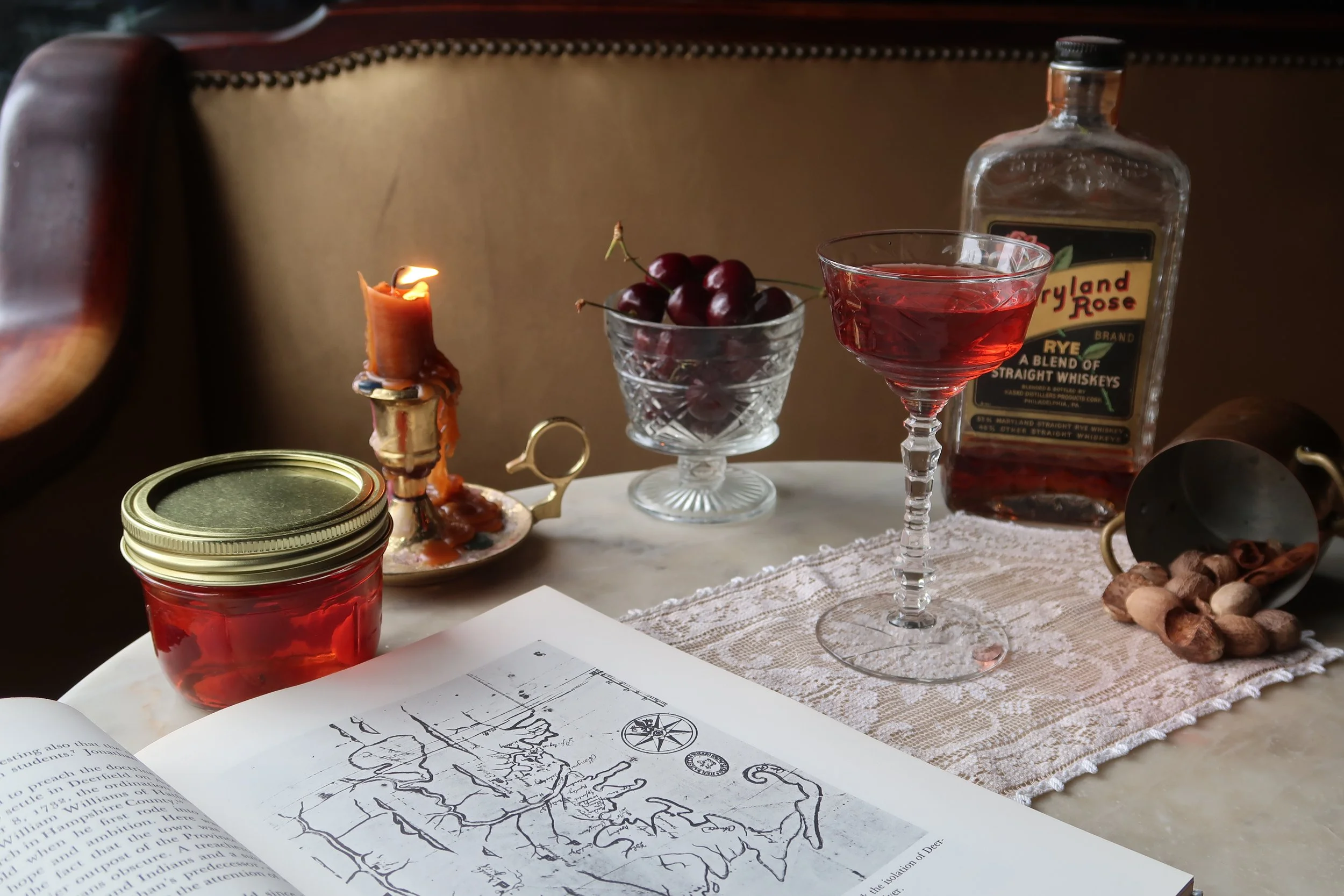
Dating to the late seventeenth century in England, Cherry Bounce is a homemade liqueur made with tart cherries, sugar, spices, and spirit. I make two different versions: rye with vanilla bean and brandy with warming spices. Both are positively ambrosial and a beautiful taste of summer on a cold winter’s night.
A fair few of the recipes I came across in this month’s research involved muddling strawberries, but this is the only one that properly read as a cobbler, complete with the heavy wine component in the base (originally ruby port), with Cognac in a supporting role. The 1920s Parisian book it comes from has lots of Campari in it, so I threw in a little for dimension. Reminiscent of our Torino Cobbler.
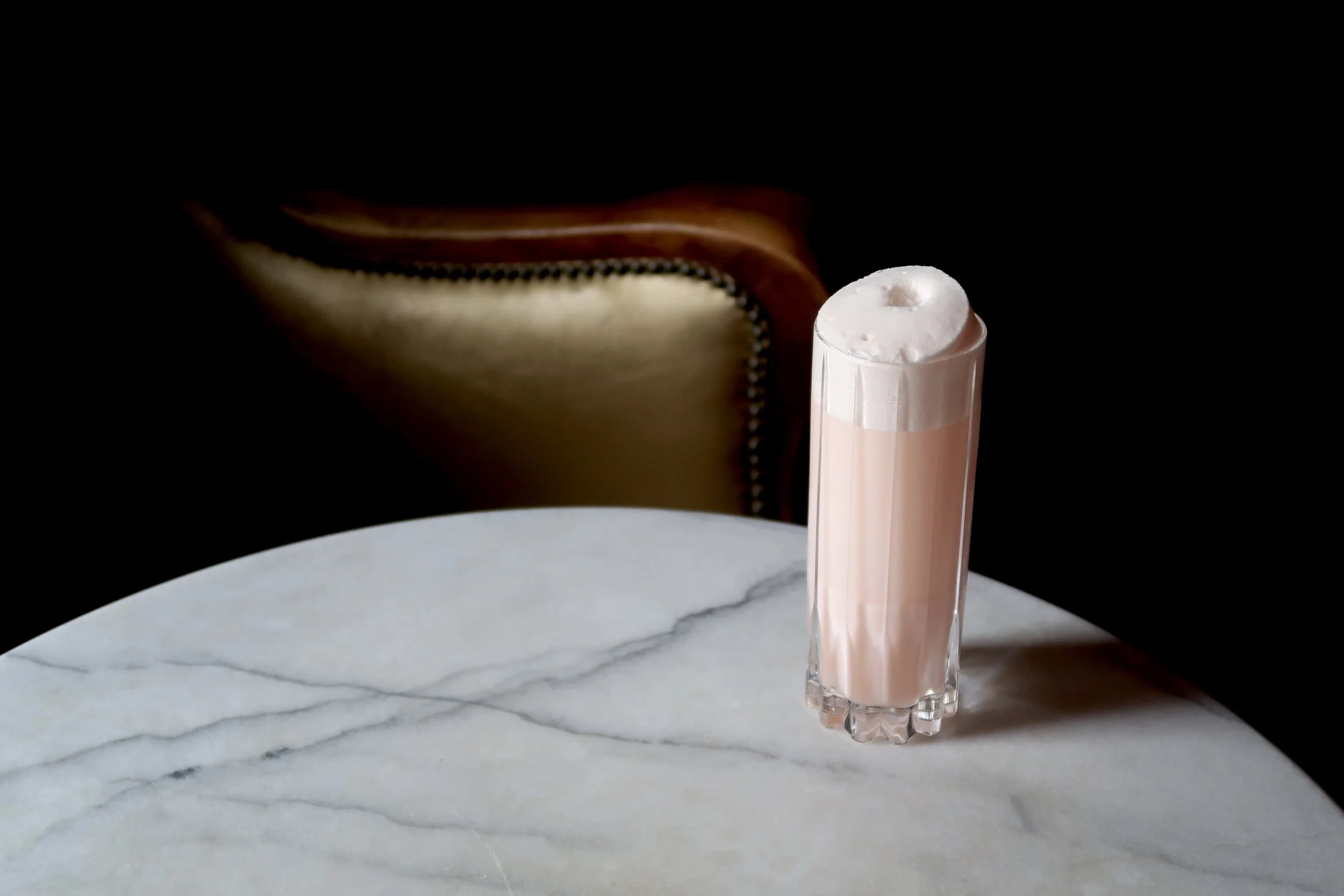
There were a couple of great fizz recipes I came across for this month’s theme. The first is the Crushed Strawberry Fizz, a simple gin fizz with muddled strawberry that was popular at the St. Nicholas Hotel, NYC, in the 1880s. Then there’s the eponymous Elsie Ferguson Fizz (named for the star of stage and screen) from the 1910s (gin, lemon, strawberry, grenadine, cream, soda). I replaced the grenadine with strawberry syrup and added egg white and a little strawberry vermouth.
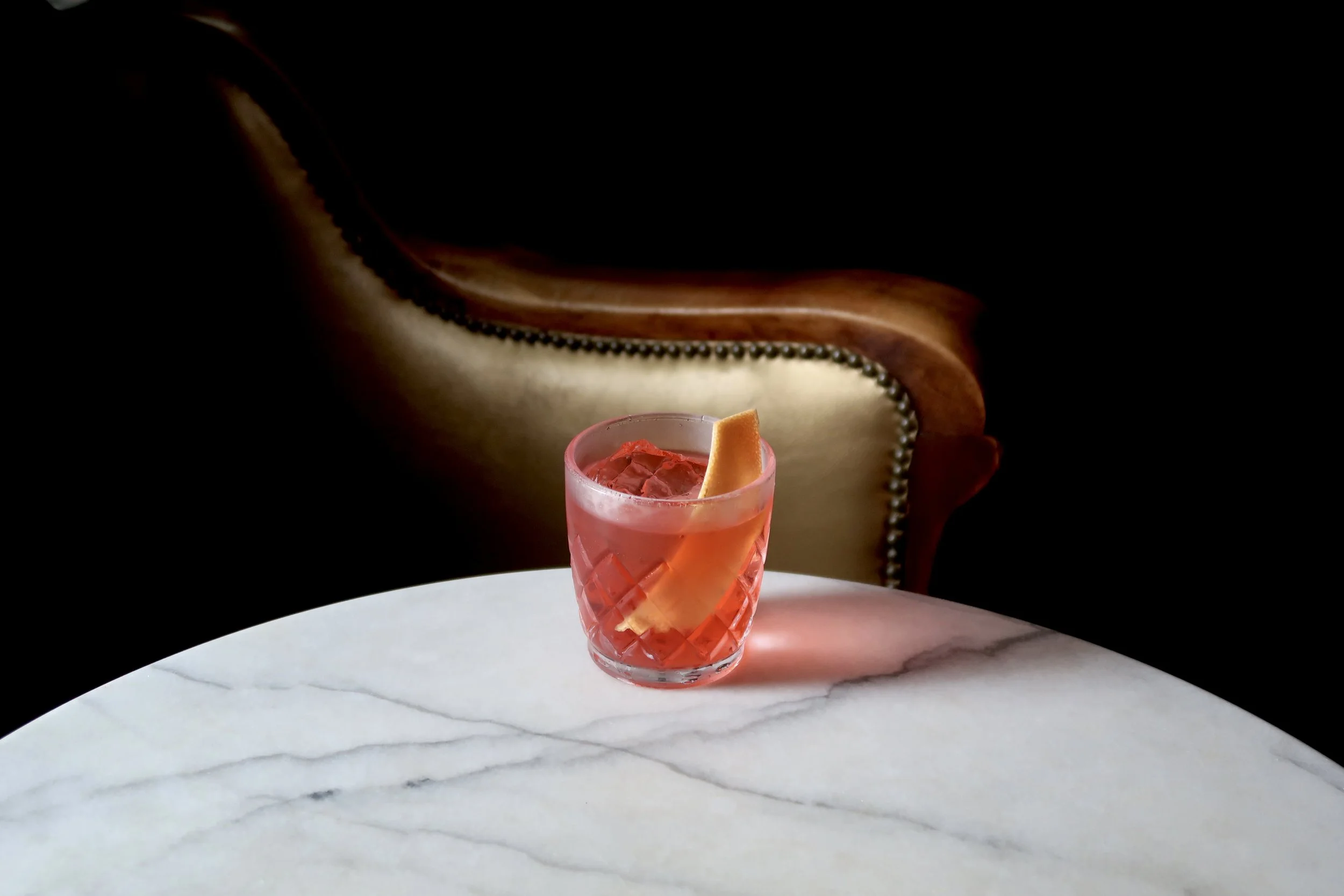
I was a little surprised at how many spirit-forward drinks I found that called for strawberry syrup or liqueur. Gin and Cognac were by far the most common bases for these drinks and many of them called for vermouth. And several of the books I found these drinks in have lots of Campari-laced recipes (including the Café Royal book, from which I took the drink’s name). So I turned this into a kind of subtly strawberry Negroni! It’s delicious and would lend itself nicely to batching for a summer soirée.
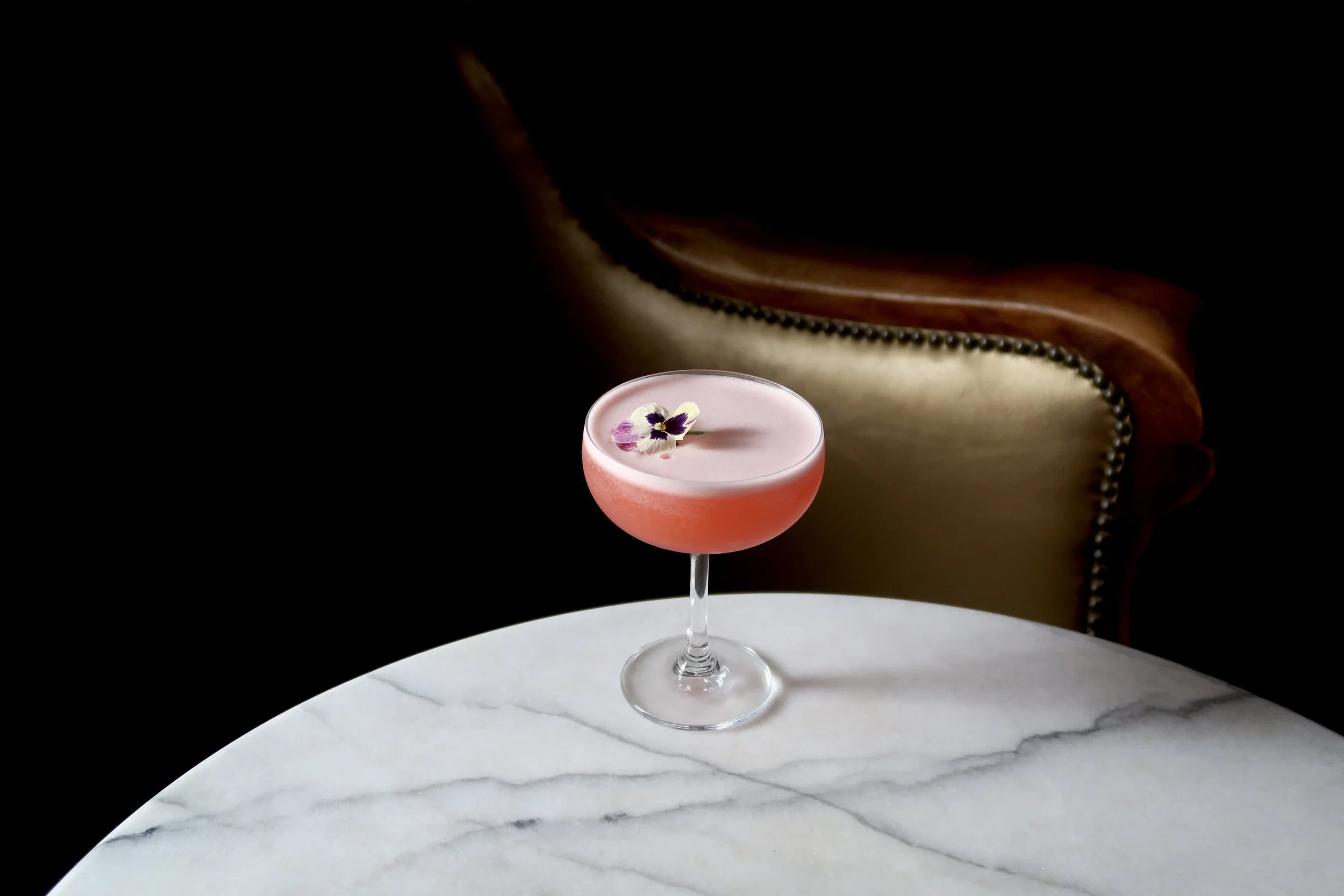
I found several sours that called for strawberry syrup or liqueur in my research; some called for gin, others for whiskey, but a few of them called for rum, which I liked the sound of! There were a bunch of supporting characters, too (anisette, red Curaçao, raspberry liqueur, pineapple, orange) so I kind of made something up inspired by all of this as well as the Siesta, Strawberry Daiquiris and the Gigantic drink Sea, Sex, and Sun. The result is absolutely delicious and triply strawberry-y!
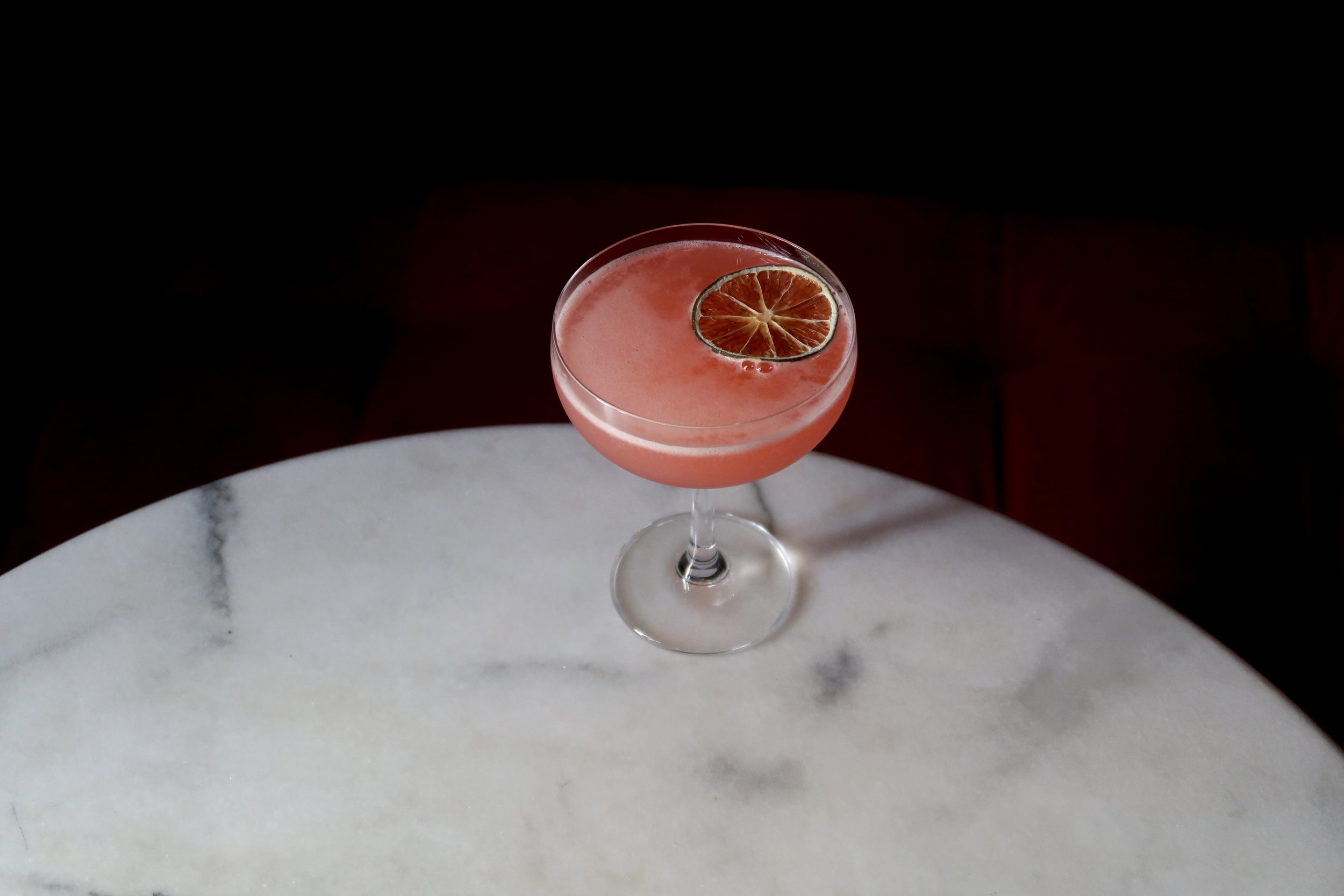
Katie Stipe came up with this one in 2006 at Julie Reiner’s Flatiron Lounge in New York. Her original idea was to use the Hemingway Daiquiri template and plug tequila in for the rum and Campari in for maraschino. The result is utterly delicious. This was often on the brunch menu at Fort Defiance and was a perennial favorite.
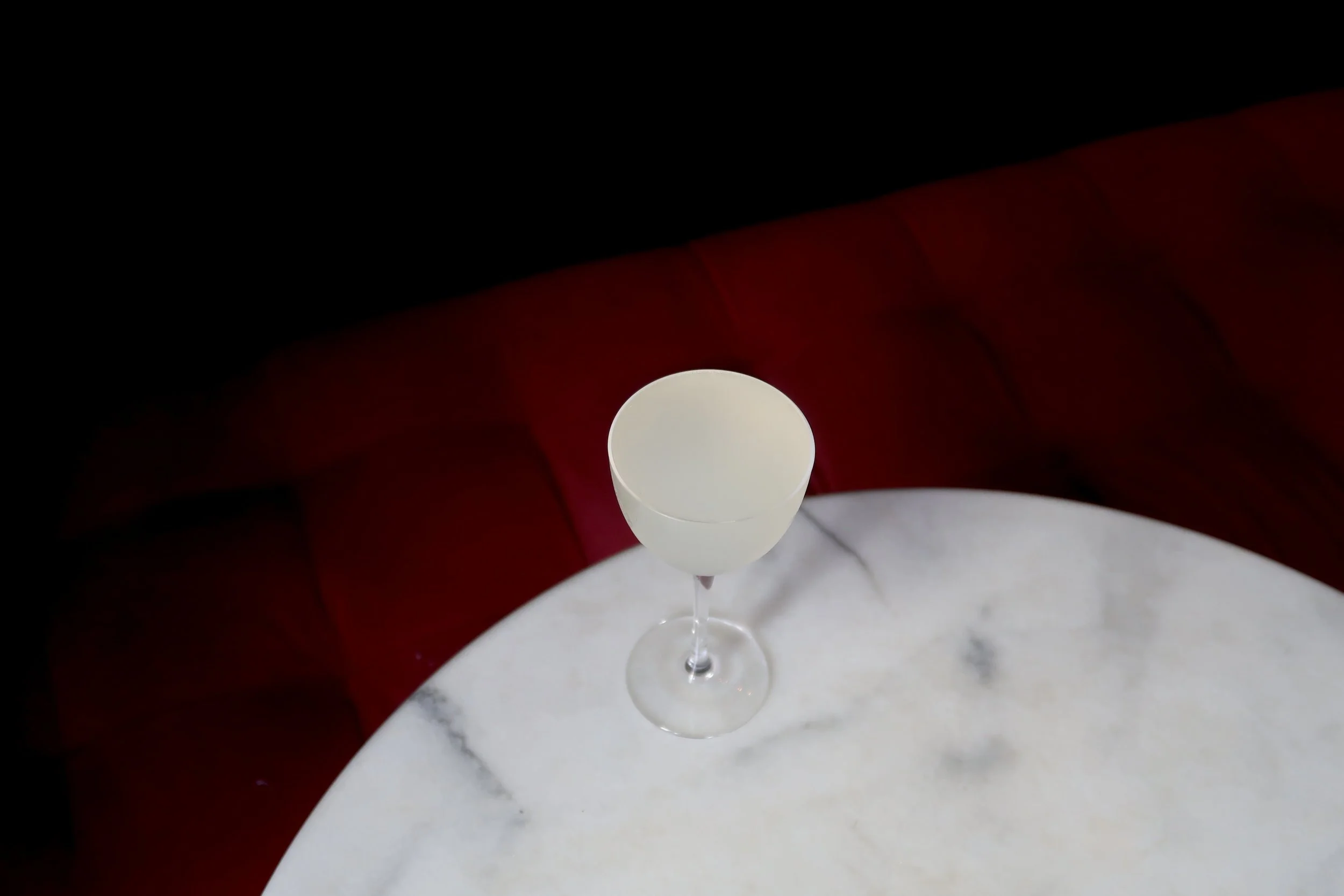
A modern take on the 20th Century (gin, Lillet, crème de cacao, lemon), this drink cuts out the quinquina and subs tequila in for gin, serving the drink in an absinthe-rinsed glass. Jim Meehan invented this one at Pegu Club in 2007 under Audrey Saunders’ guidance. Perhaps true to the adage “what grows together goes together,” chocolate and agave spirits are happy bedfellows, as is the case here.
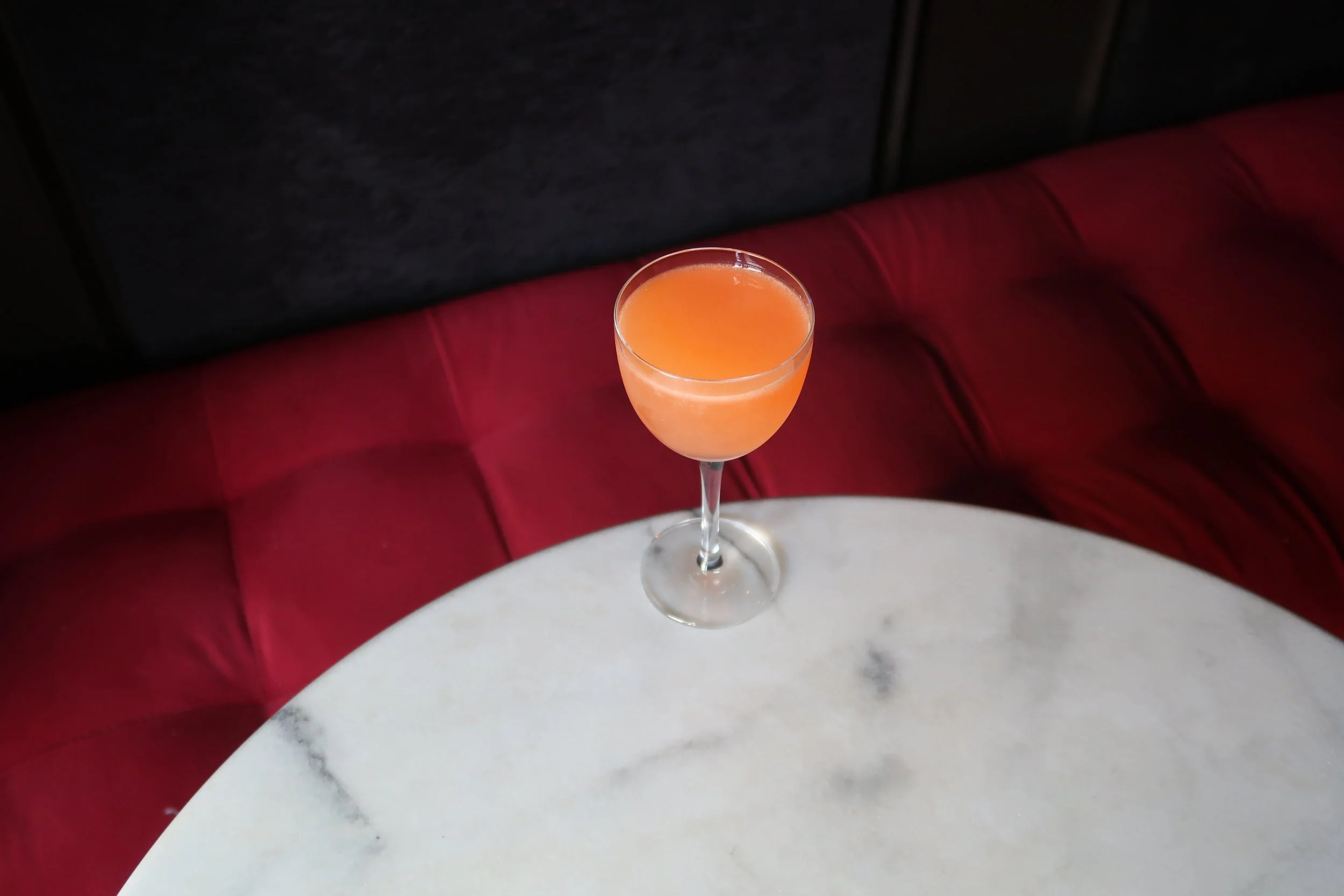
Joaquín Simó’s smoky, bittersweet smash-hit is still incredibly popular, perhaps even more so since mezcal’s star has risen so high since its inception in 2011. Another Death & Co. creation, it followed the Paper Plane (2008) as a modern classic that drew on the equal-parts structure of the Last Word and the Corpse Reviver No. 2.
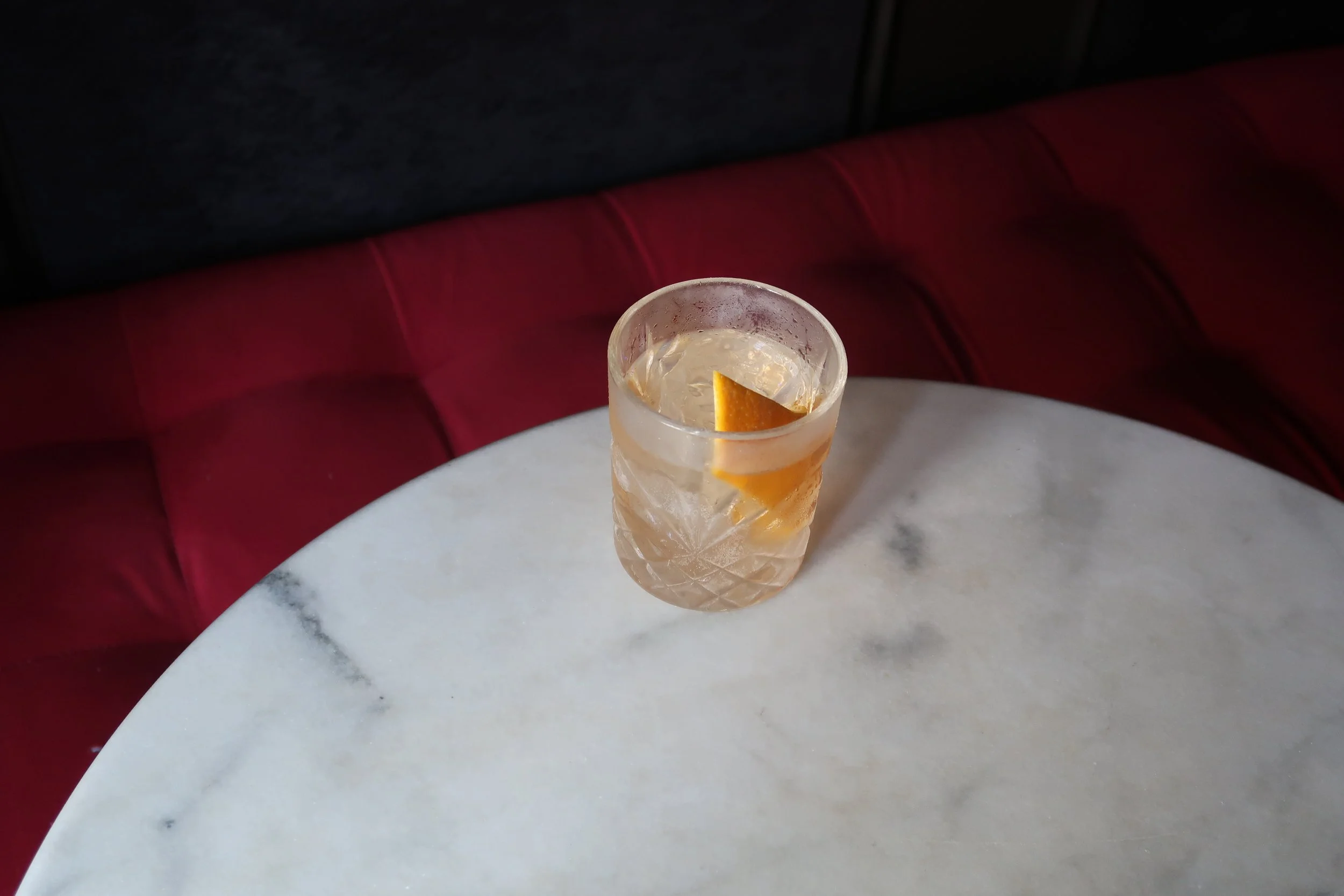
Phil Ward’s new-school take on the Old-Fashioned originated at Death & Co. in 2007 and has become a worldwide superstar in the years since. The appearance of reposado tequila and inclusion of a small measure of mezcal illustrate the changing awareness around agave spirits and its austere presentation appealed to a whole new subset of drinker. The flamed orange twist is very of its time.
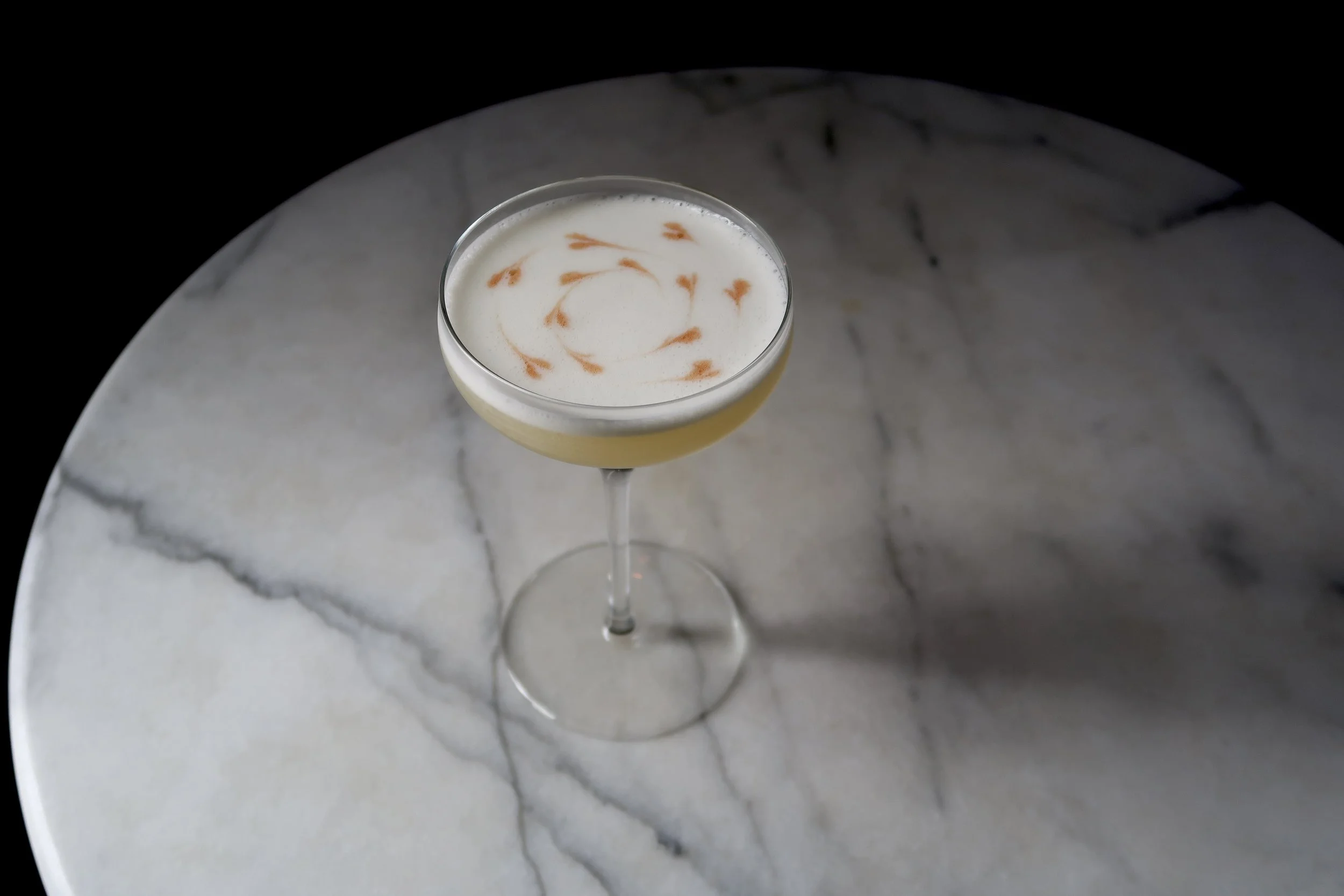
Originally published in 1939 in Charles H. Baker, Jr.’s Gentleman’s Companion, this drink was invented in Havana–either by Wil P. Taylor or Eddie Woelke, who worked for the Hotel Nacional and Casino Nacional respectively. I was inspired by Juyoung Kang’s spec (which I learned about through doing a story on it for Punch), but I put my own spin on it by choosing to use lemon instead of lime.
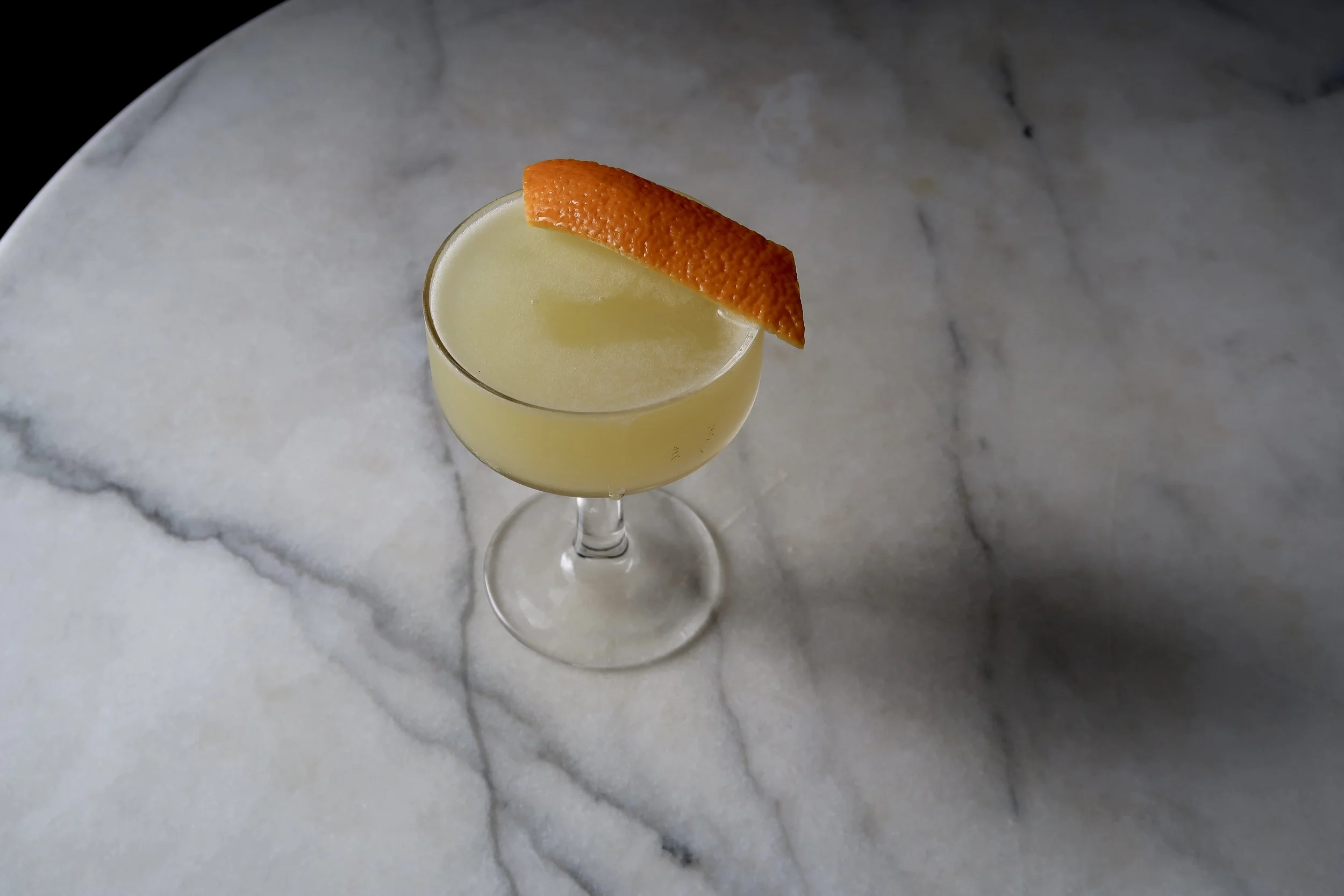
This is a bonus recipe this month, as it doesn’t fit neatly into any of our prescribed categories. I took inspiration from two drinks: the Golden Glove, a blended orange-inflected Daiquiri from El Floridita in the 1930s, and the Derby Daiquiri, also orangey and dating from the late 1950s, it was an entry into the Rums of Puerto Rico competition. From these, I created a creamsicle-esque rum sour that’s a great addition to our recipe collection this month.
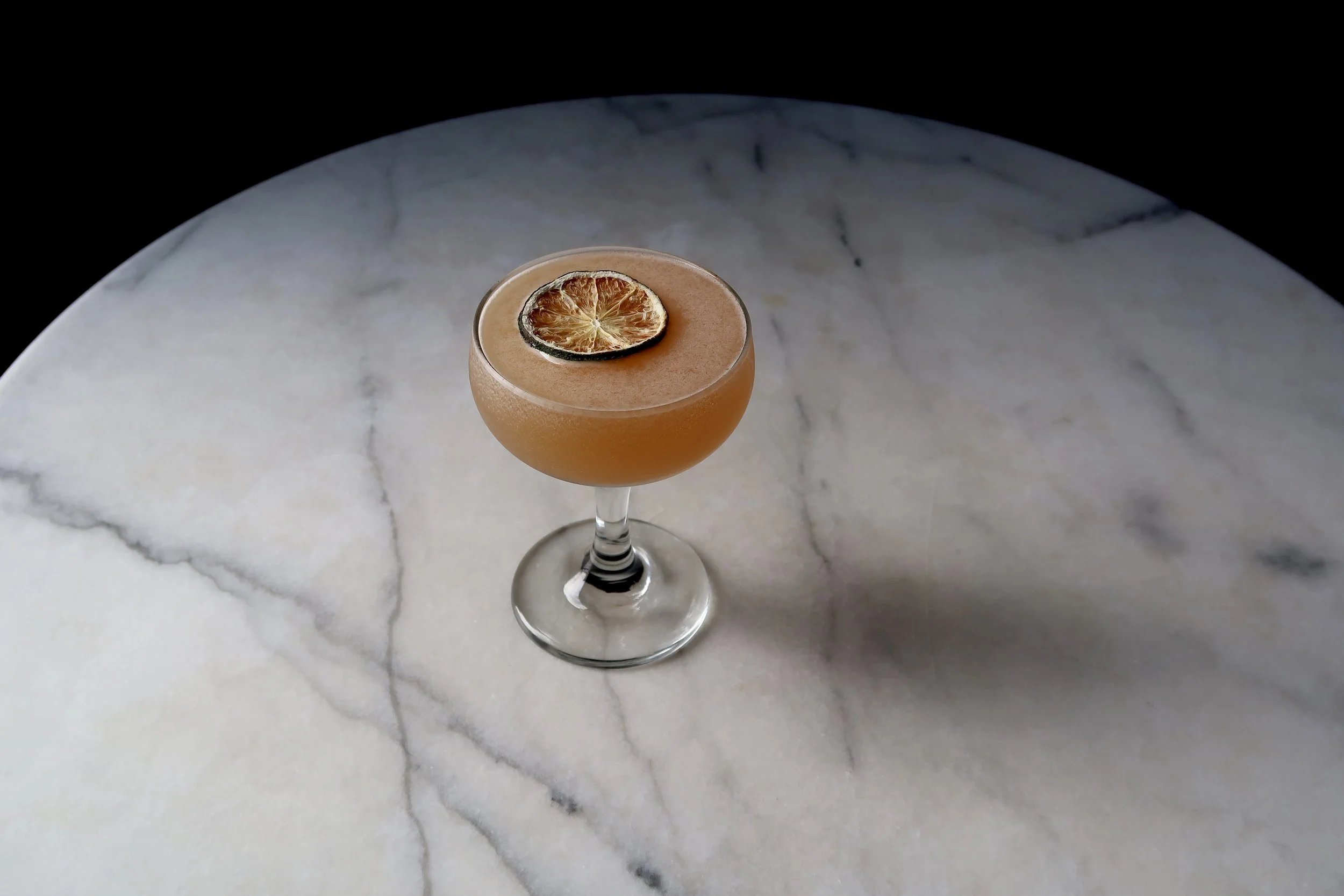
This is the drink that represents the properly-tiki contingent within this month’s recipe collection. Dating to the late 1940s, this rum sour features tiki favorite falernum, as well as orange liqueur; Trader Vic’s book actually calls for Cointreau, but many modern bartenders use Curaçao. I added a touch of simple syrup as well as Angostura, which has a great conversation with the spices in the falernum.
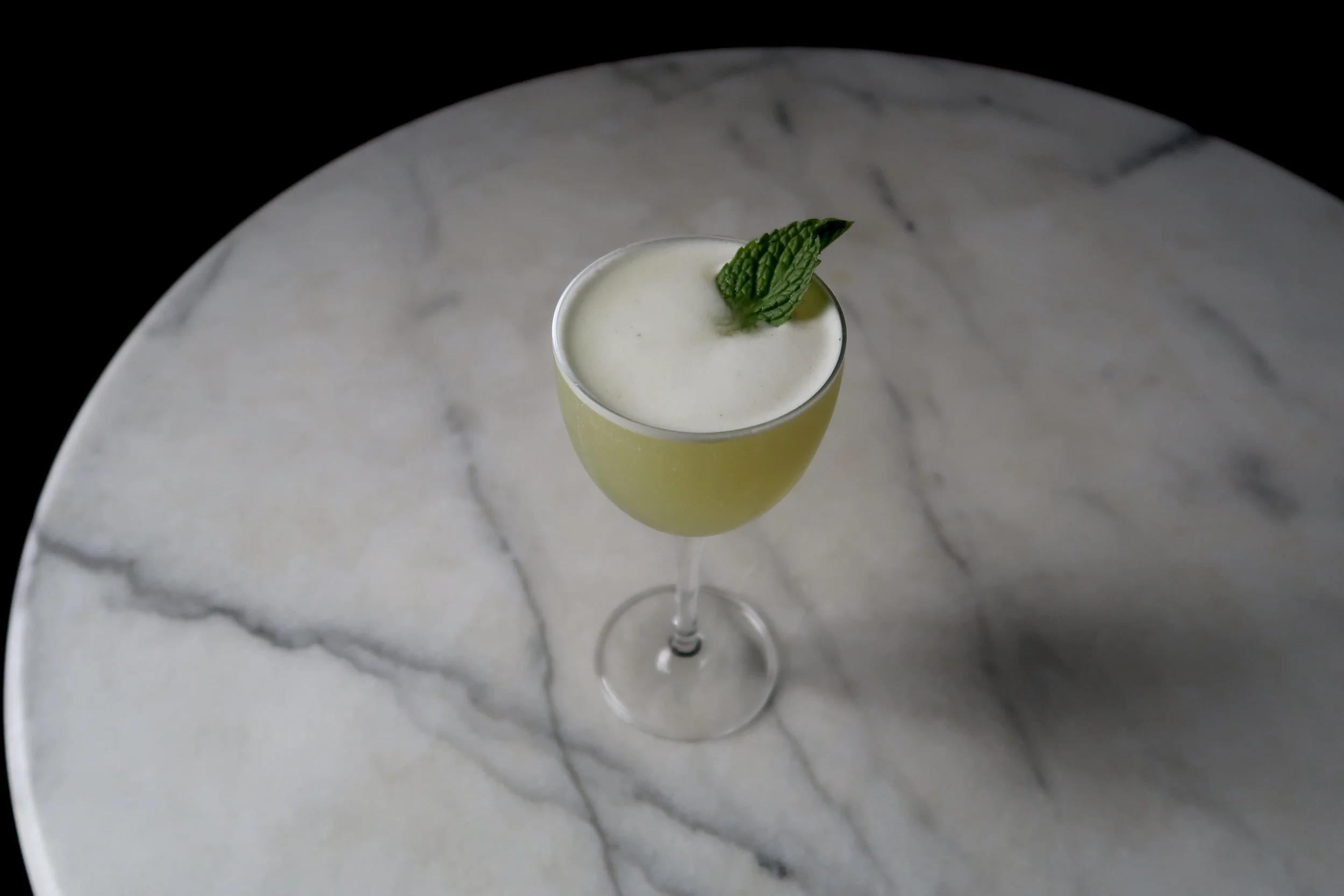
By all accounts, this drink was first published in a RonRico rum recipe pamphlet. Presaging the Swampwater’s combination of green Chartreuse, pineapple, and lime, this complex rum sour also features crème de cacao. I added vanilla syrup and fresh mint for our Club version, and I also have a tequila-based version on Gigantic’s spring menu with yellow Chartreuse called Fun in Acapulco!
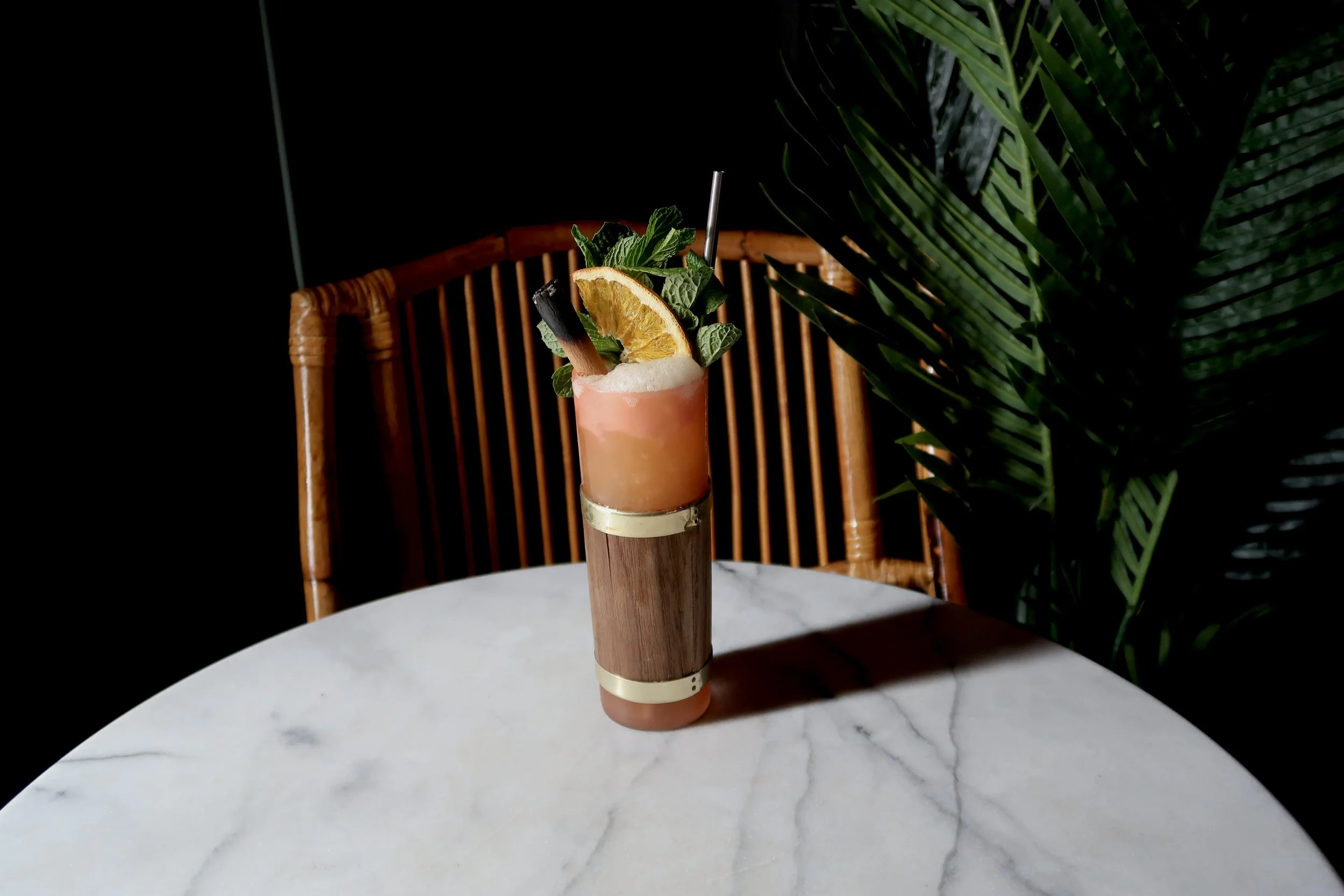
The Bali Bali, hailing from the Bali Ha’i at the Beach in New Orleans, is the lesser-known sibling of the Fog Cutter. At first I was stumped about how to bring all the various spirits, juices, and sweeteners into balance, but when it dawned on me that I could structure it like a 1950s Zombie, everything fell into place. I particularly love this presentation, especially if you can get your hands on a vintage tiki-style Collins like the Siestaware glass pictured.
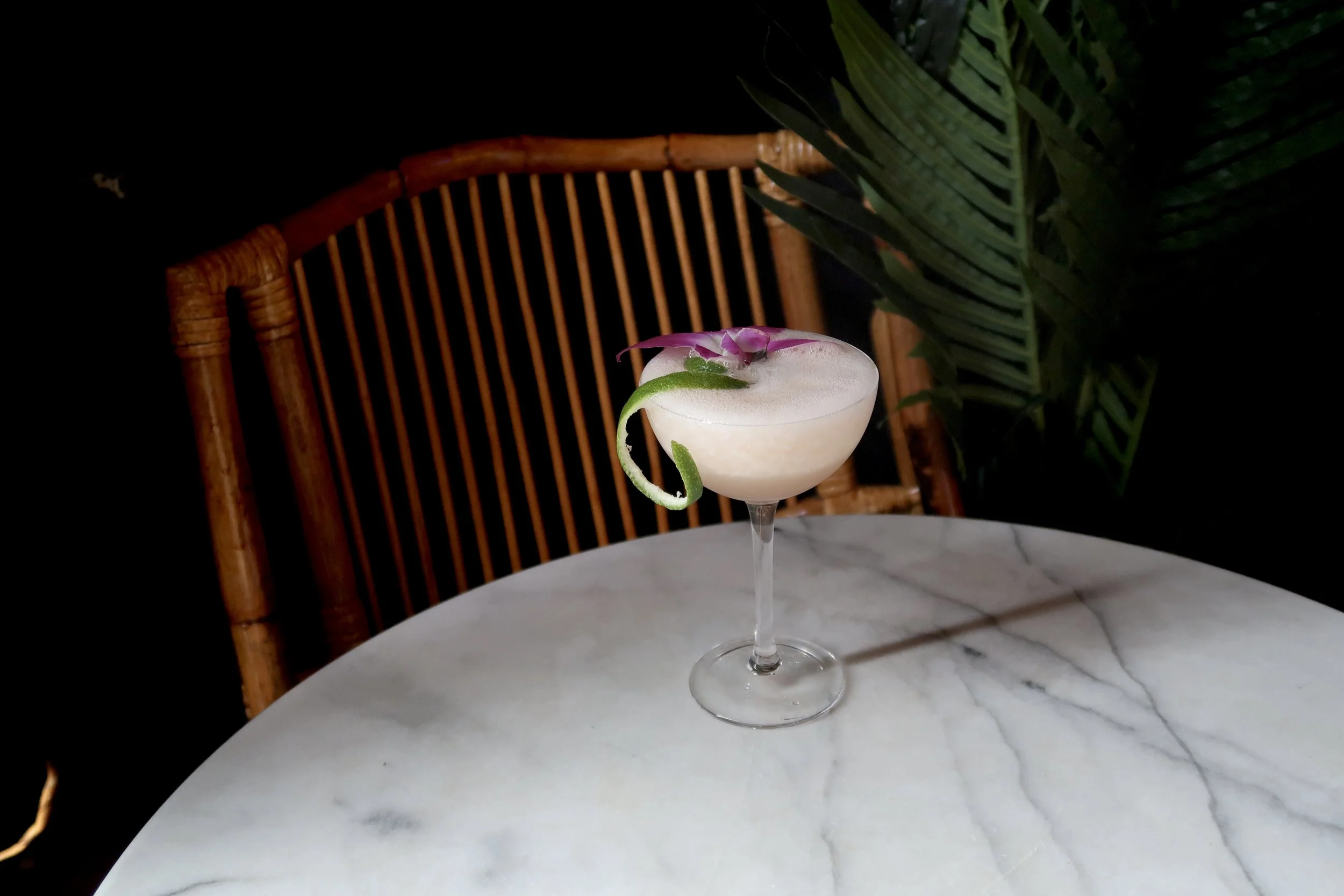
Here’s a delicious blended Gimlet that’s got a great texture to it. Done in the style of blended Cuban Daiquiris like the Golden Glove, this ice-cold drink combines juniper with spices and tart lime for a refreshing, time-travelin’ good time. This drink was popular at both the China Trader in Burbank and Tiki-Ti on Sunset Boulevard during the 1960s.

This is one of three drinks called the Tropical Itch in the tiki canon. It’s not Harry Yee’s original from the Hawaiian Village (bourbon, passionfruit) or Joe Scialom’s version (vodka, rum, mango) from the Shepheard’s Hotel in Cairo, but the gin-rum-mango version from the Kon-Tiki Chicago. Our version adds in some dark rum and cashew orgeat for richness and texture. No back scratcher garnish cause that’s just not my style (and I think it’s kinda gross).
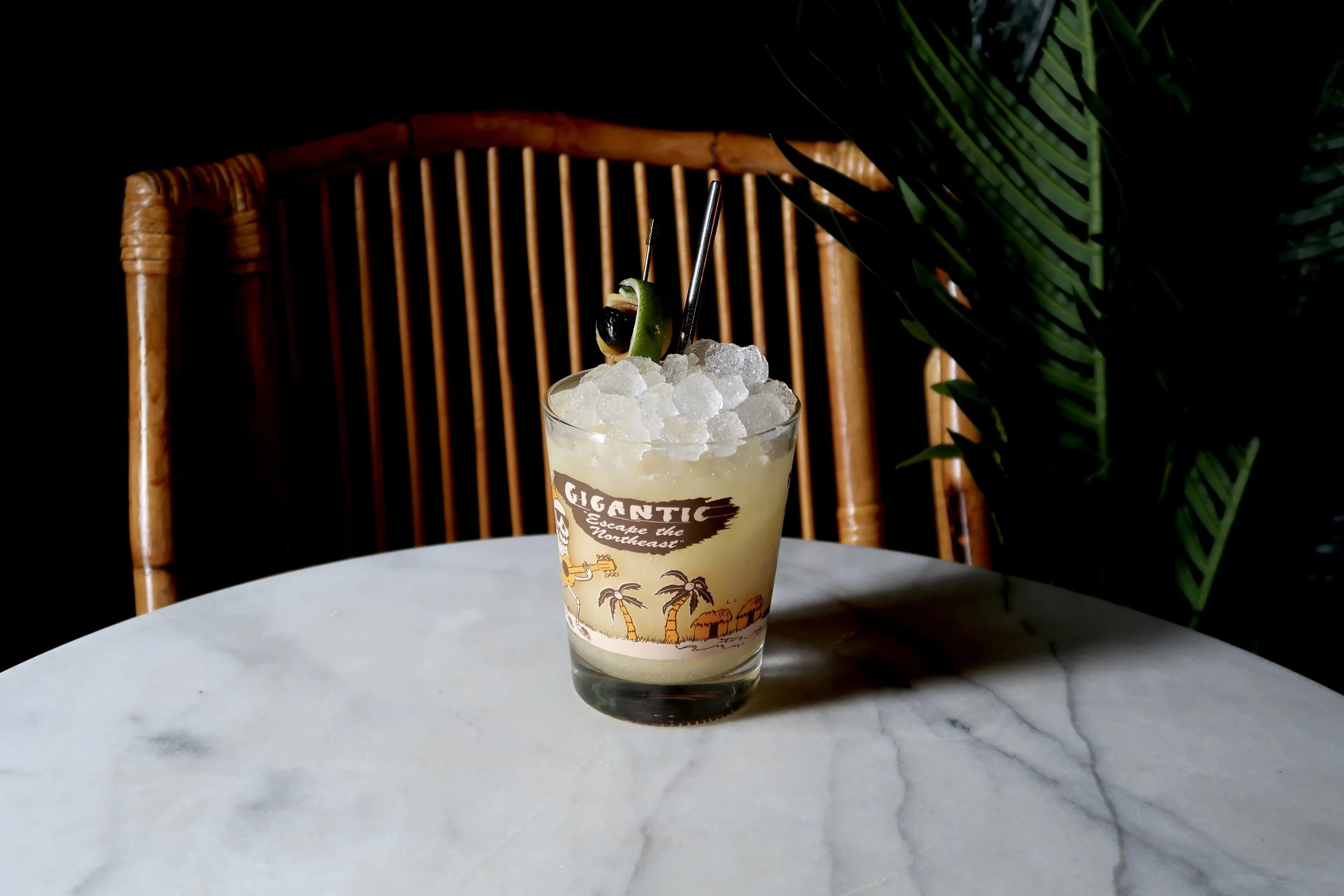
The Saturn is probably the most famous gin-based tiki drink, at least in the twenty-first century. It began life as Filipino-American bartender Popo Galsini’s entry in the International Bartender’s Association’s World Cocktail Championship in 1967. Galsini’s original spec called for gink passion fruit, lemon, orgeat, and falernum. Our Club version swaps in cashew orgeat for the classic almond variety and opts for a blended version, though many prefer their Saturns flash-blended.
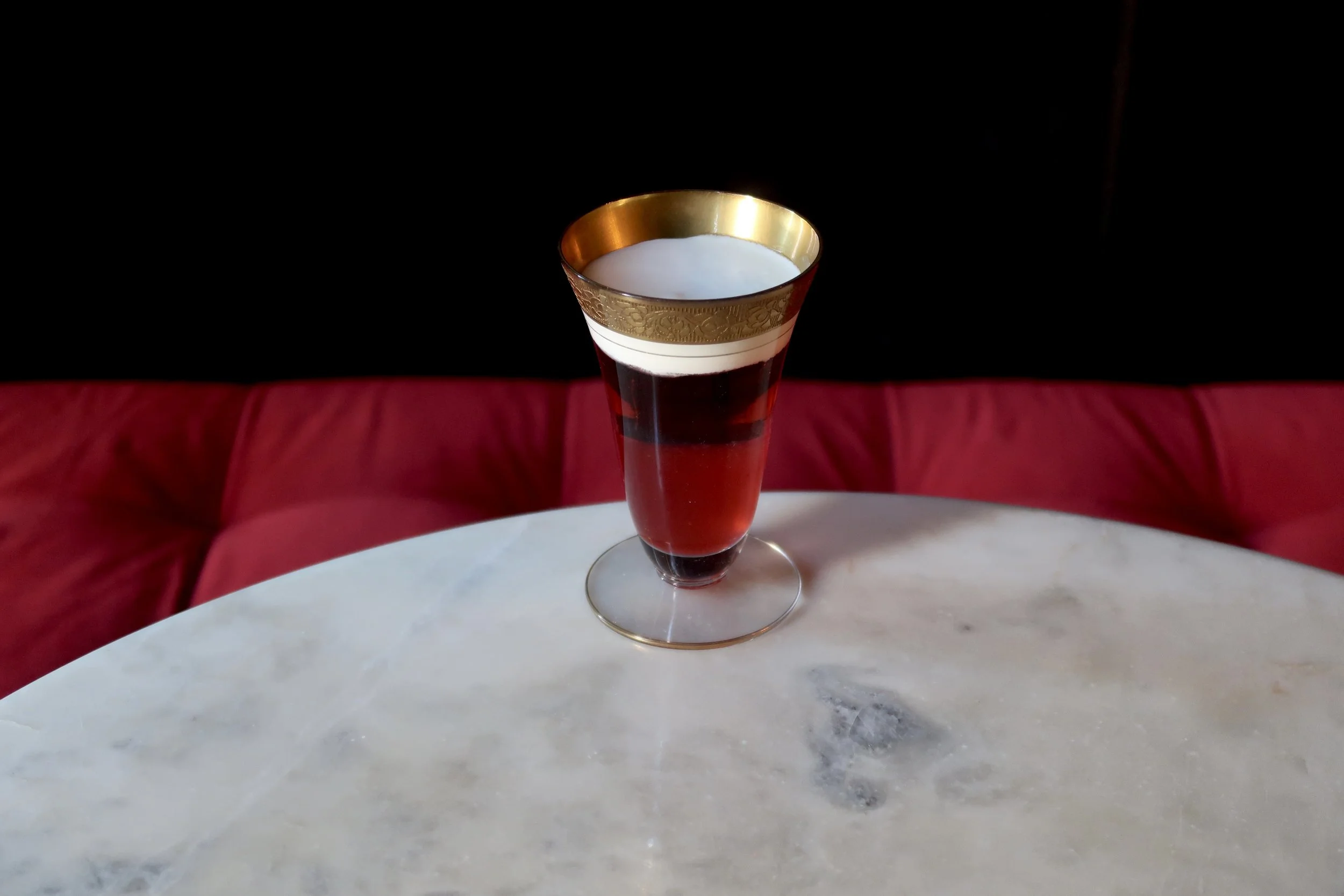
The original Angel’s Kiss appears in Harry McElhone’s 1922 book and is simply crème de cacao and cream, layered in a liqueur glass; later recipes add layers of crème Yvette and prunelle. Our Angel’s Kiss recipe reflects more complex members of the Pousse Café family. Its inclusion in this month’s Valentine’s theme is also due to its connection with the ladies’ drink genre and romantic, or even sexy, naming tropes.
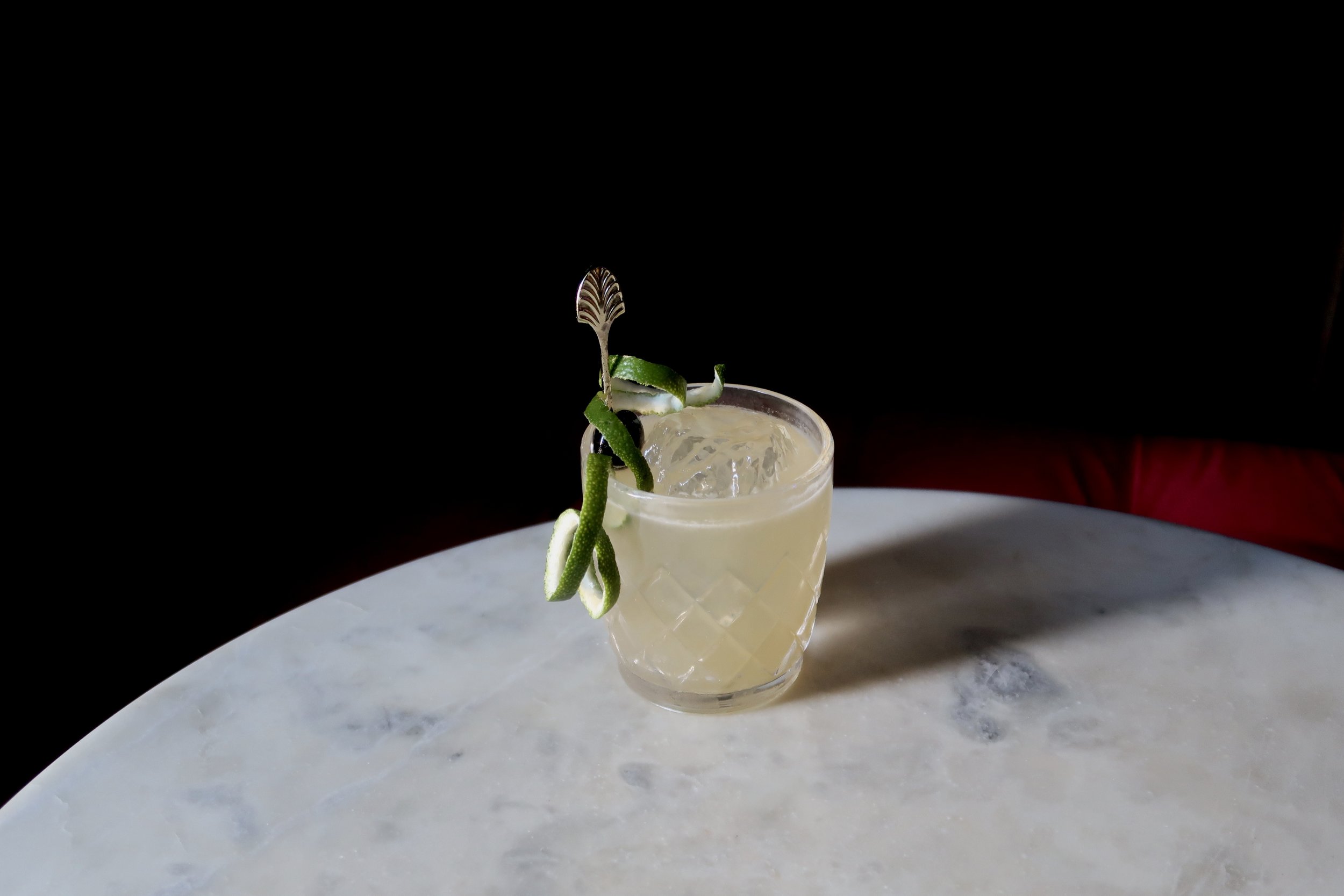
This drink comes from Charles H. Baker, Jr.'s 1939 Gentleman’s Companion and is attributed to a bartender named Toyama at a Yokohama dance hall called the Romance Cabaret. The original spec he recorded is a mixture of Cognac, cherry brandy, lime cordial, and lime juice, either shaken or blended. I swapped out the sweet cherry brandy for eau de vie and added chocolate and vanilla flavors for an exceedingly pleasing brandy sour.
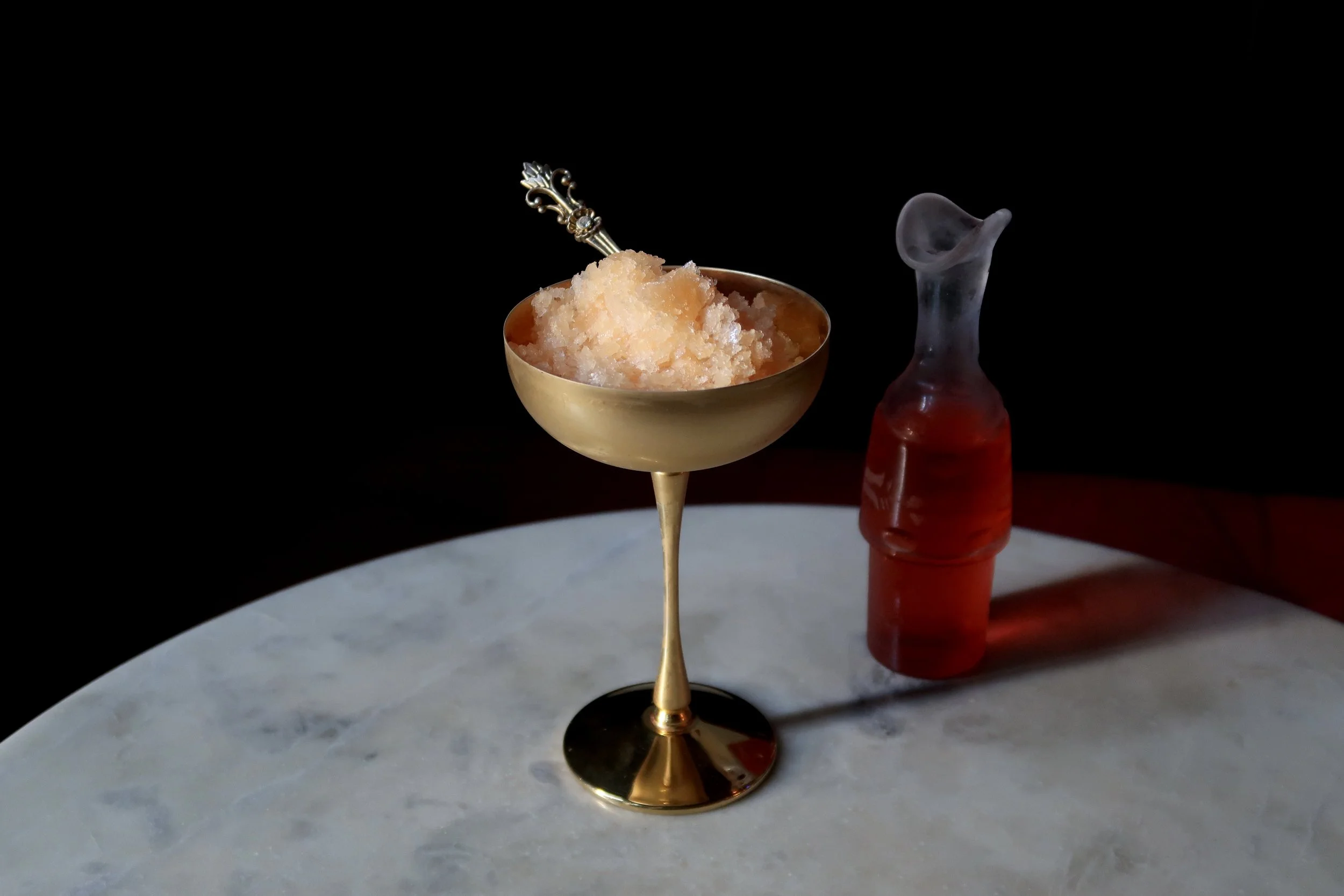
The original Lovers’ Delight is quite mysterious; included in a 1937 book out of New Orleans, it simply calls for dry gin to be shaken with “orange ice,” strained, and garnished with nutmeg. I was so intrigued by the orange ice and immediately thought of a citrus granita which, with its little hints of vanilla and chocolate, would be a great standalone dessert or palate cleanser. But I decided to enhance it with a chilled, flavor-packed mixture of Campari, gin, and kirschwasser, finished with sea salt and lemon zest!
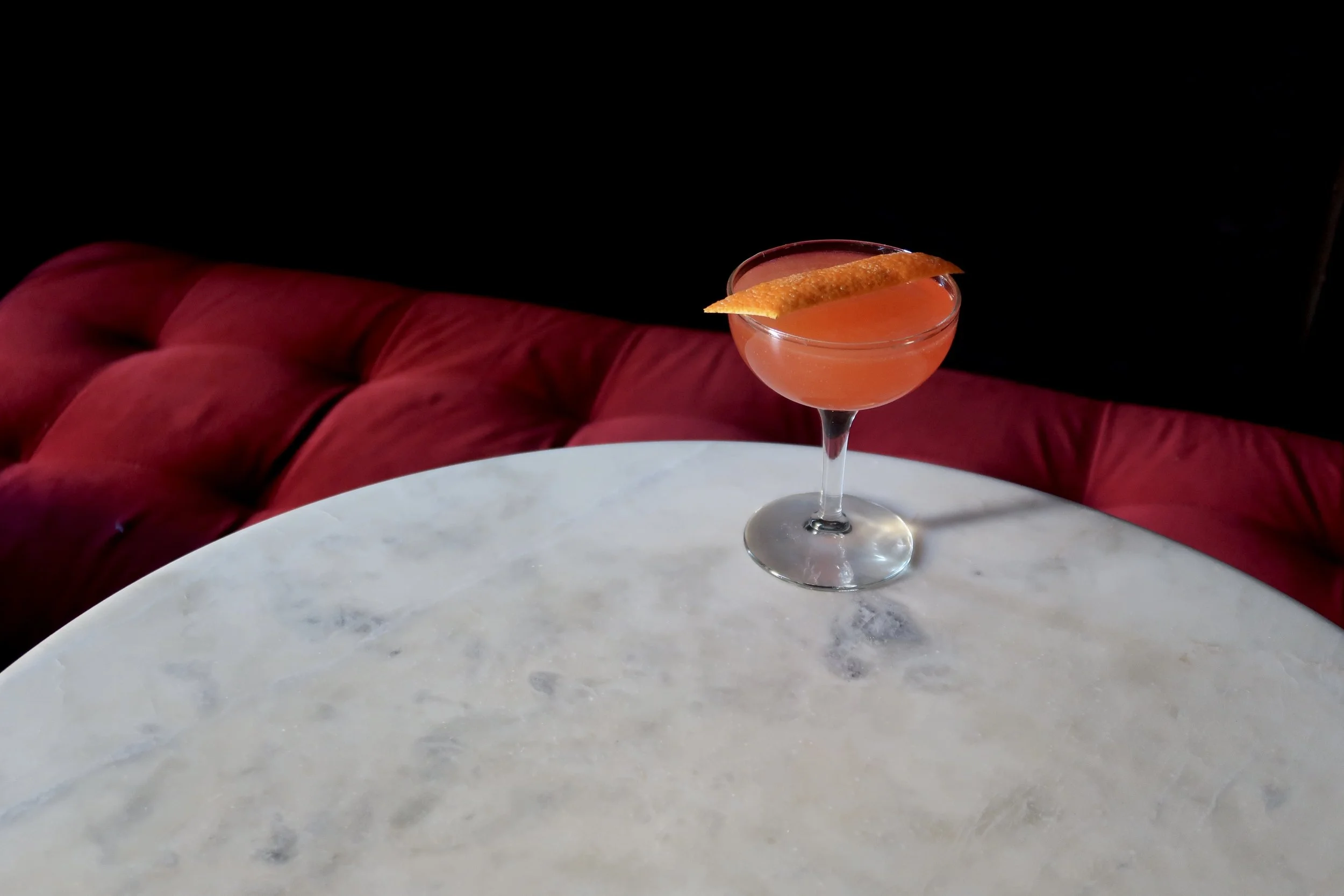
The original Passion comes from a book published in London in 1934 called 1700 Cocktails for the Man Behind the Bar by R. de Fleury. It combined equal parts Plymouth gin and passion fruit juice, accented with a dash of absinthe. I took inspiration from a London classic from 70 years later–the Dry Daiquiri–adding Campari and a flamed orange twist and, doubling down on the aughts London vibe, it’s definitely got the Pornstar Martini combo of passionfruit and vanilla, too.
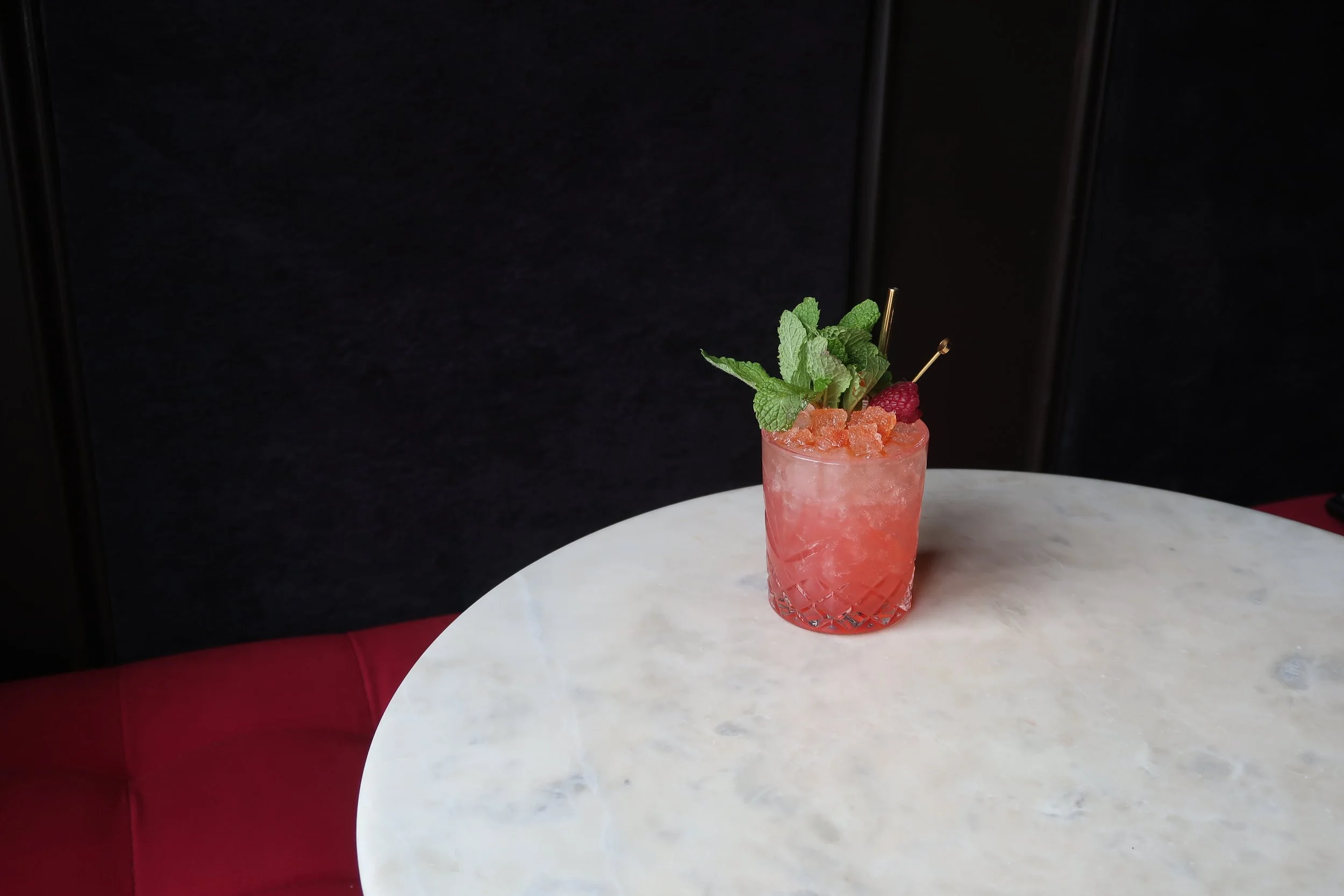
This refreshing mocktail is a kind of Improved Ginger Ale, accented with lemon, raspberry, and Angostura bitters. The name makes me think about the moment in time when the first three Jack’s Manual editions were published (1908, 1910, 1916), the rise of the temperance movement, and teetotalers seeking entertainment at musical and theatrical performances given in auditoriums.
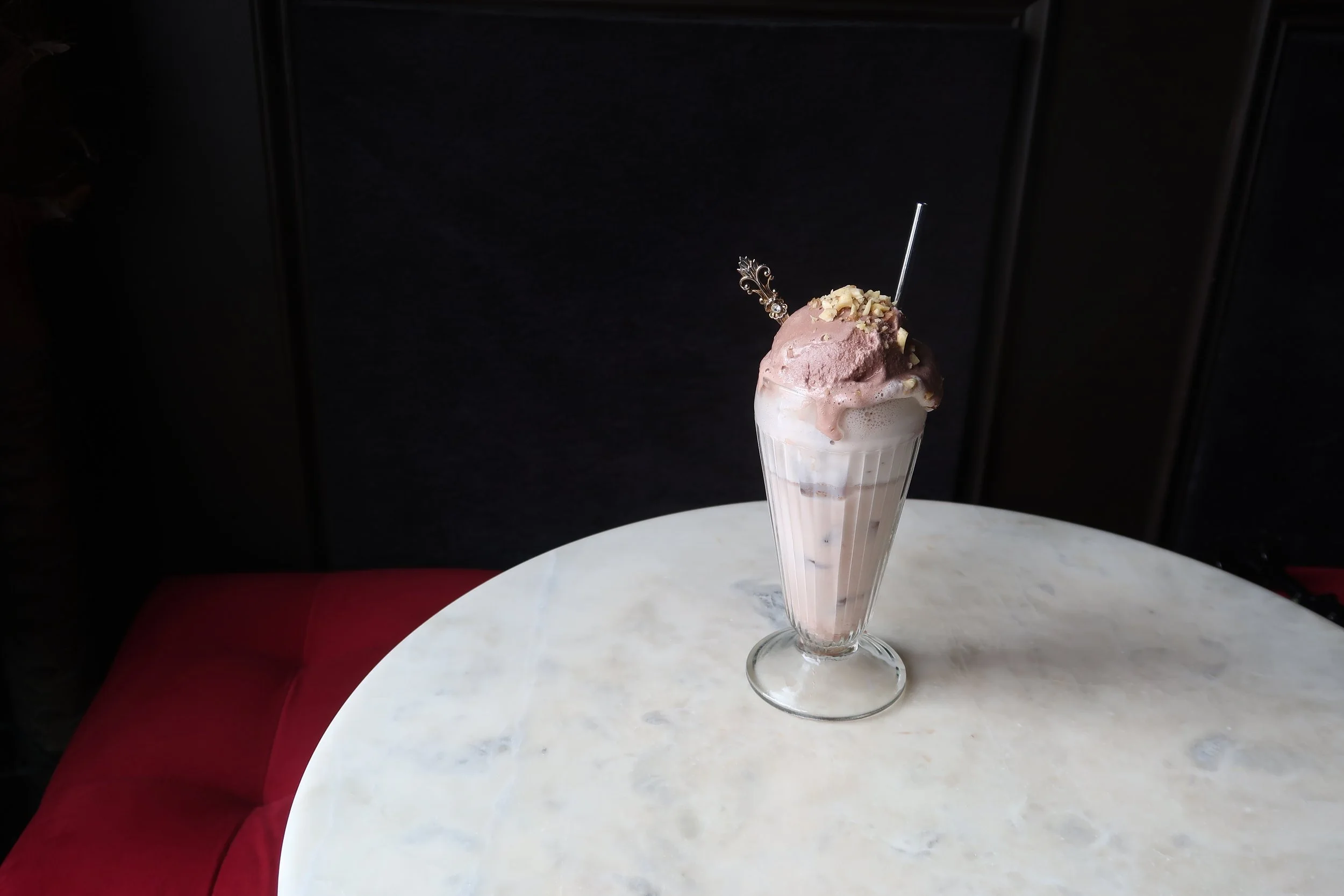
Simply listed as “Milk Shake” in Jack’s Manual, the original version of this drink is just raspberry syrup and milk, shaken with ice. I wanted to make a chocolatey version with more going on, so I made a kind of chocolate-raspberry milk base and added a scoop of chocolate ice cream on top with walnuts, reflecting the rise of the ice cream parlor and its relationship with the temperance movement.